Understanding Dual Rear Wheel Vehicles: A Comprehensive Guide
ByAkira Maruta
This comprehensive guide explores the specialized world of dual rear wheel (DRW) vehicles, commonly referred to as "duallies." Designed for the most demanding tasks, these robust trucks and vans offer unparalleled capability in managing heavy loads and ensuring stability. Delve into the mechanics, benefits, and practical considerations of these powerful workhorses, and discover why they are the preferred choice for serious towing and hauling needs.
Mastering the Mighty: Unpacking the Power and Purpose of Dual Rear Wheel Vehicles
Introduction to Dual Rear Wheels: Defining the Heavy-Duty Advantage
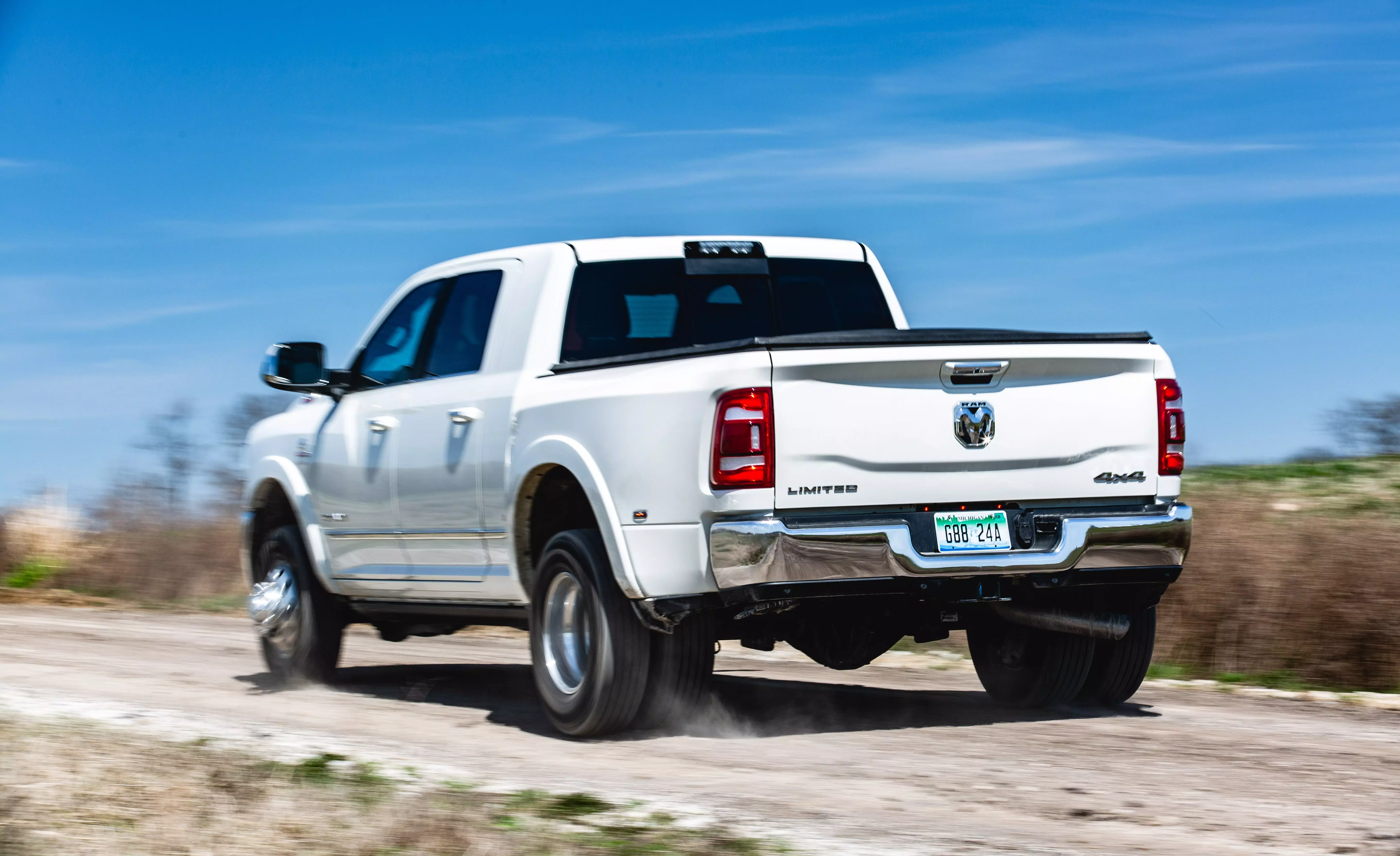
The term "dual rear wheels" (DRW) often sparks curiosity regarding its exact meaning for full-size trucks and vans. While all vehicles indeed possess two rear wheels, the "dual" aspect specifically signifies that there are two wheels on each side of the rear axle. This configuration might seem a bit perplexing at first glance, but it marks you as someone attuned to specialized automotive engineering. Vehicles equipped in this manner are frequently designated as DRW in official specifications, contrasting with single-rear-wheel (SRW) models. In practical scenarios, you'll typically observe DRW pickup trucks managing substantial trailers, often connected via gooseneck or fifth-wheel hitches. Similarly, DRW vans, usually the largest variants available, are purposed for significant cargo or passenger transport. Essentially, DRW vehicles are engineered to tackle considerable burdens.
Benefits of Dually Configurations: Enhanced Stability and Load Distribution
Automakers opt for the DRW design in their heavy-duty truck and van lines specifically to address the demands of extreme hauling and towing. The inclusion of additional tires significantly increases the contact patch with the road, thereby allowing for a broader distribution of weight. This fundamental principle mirrors the design of semi-trucks, where a multitude of wheels across the tractor and trailer enables them to transport many tons of freight. For dually trucks, this expanded footprint also markedly improves stability. The supplementary wheels act much like outriggers, providing a more grounded feel and better control against lateral forces such as strong crosswinds or during cornering maneuvers. This inherent stability makes DRW vehicles indispensable for safely transporting very heavy loads.
Challenges and Design Peculiarities: Understanding the Practical Implications
While the advantages are clear, dual rear wheel setups come with their own set of practical considerations. A primary concern is the increased maintenance involved; owners must manage six tires instead of the usual four, leading to higher tire replacement costs. For dually trucks, the extra wheels extend beyond the standard width of the pickup bed, necessitating the installation of prominent flared fenders to properly cover the additional rubber. Navigating any large truck or van can be challenging, and the increased width of a DRW vehicle amplifies this difficulty. Consequently, it's not uncommon to find minor scuffs or damage on the rear fenders of these vehicles. Modern dually truck fenders are often constructed from lighter fiberglass, which is less prone to bending but more susceptible to cracking upon impact. Conversely, most large dually vans incorporate their extra tires inward, eliminating the need for flared fenders, though this design slightly reduces internal cargo capacity as the wheel wells intrude further into the cabin. An interesting design feature is the distinct outward dish of the front wheels on dually trucks and vans. This specific shape ensures that all wheels are uniform and interchangeable, simplifying spare tire use and enabling the dual mounting of rear tires on each side.
When a Dually Becomes Essential: Matching Capability to Demand
The decision to utilize a dually vehicle primarily hinges on its superior capacity. DRW configurations are often indispensable for safely pulling fully loaded horse trailers, oversized recreational vehicles, various pieces of agricultural machinery, or the harvested crops themselves. To illustrate the magnitude of this increased capability, a heavy-duty single-rear-wheel truck might be rated to tow just over 20,000 pounds with a bumper-mounted hitch. In contrast, a DRW variant of the same truck, equipped with a gooseneck hitch, can manage nearly double that weight. The towing capacity increase is less dramatic for DRW vans compared to their SRW counterparts, largely because both typically use bumper-mounted hitches. While a DRW van might offer up to 50 percent more towing capacity than a comparable SRW model, some vans even show a slight decrease in towing capability with the addition of dual rear wheels. In such cases, the primary benefit of the extra rubber is enhanced rear-end stability, which is especially valuable when the van is operating at or near its maximum payload capacity.
Current Market Offerings and Safe Operation: Navigating Your Heavy-Duty Choices
Dual rear wheel options are typically found on the heavy-duty versions of full-size pickup trucks and select large vans. For those requiring a pickup truck with this robust setup, models like the Chevrolet Silverado HD, GMC Sierra HD, Ram HD, and Ford F-series Super Duty all offer DRW configurations. In the segment of enclosed passenger and cargo vans, only the Ford Transit and Mercedes-Benz Sprinter currently provide available DRW options. Furthermore, DRW systems are frequently utilized in cutaway and chassis-cab versions of these vehicles, serving as foundations for aftermarket conversions into specialized vehicles such as box trucks, tow trucks, and recreational vehicles. In certain international markets where full-size pickups are less prevalent, manufacturers also produce DRW versions of smaller pickup trucks. Regardless of the vehicle chosen, it is paramount to thoroughly understand its specific towing and hauling limits before loading any cargo or attaching a trailer. When selecting a vehicle for demanding work, always consider the anticipated loads and strictly adhere to the manufacturer’s guidelines to ensure safe operation and prevent undue stress on the vehicle’s systems.
About the author
Akira Maruta
Fictional representative of journalists deeply knowledgeable about JDM (Japanese Domestic Market) tuning and technology.