Secondhand Sector Faces Crisis Amidst Fast Fashion Boom
ByAndré Leon Talley
The landscape of secondhand commerce is undergoing a profound transformation. Charitable retail organizations are facing immense pressure due to an influx of subpar goods and the growing dominance of digital resale platforms. This shift is jeopardizing the viability of many traditional charity shops, particularly across the UK and Europe. Yet, amidst these challenges, novel approaches centered on resource repurposing, creative reclamation, and localized clothing exchange networks are emerging as potential pathways to reinvigorate the secondhand market and mitigate the pervasive problem of fast fashion waste.
The Evolving Narrative of Secondhand Retail
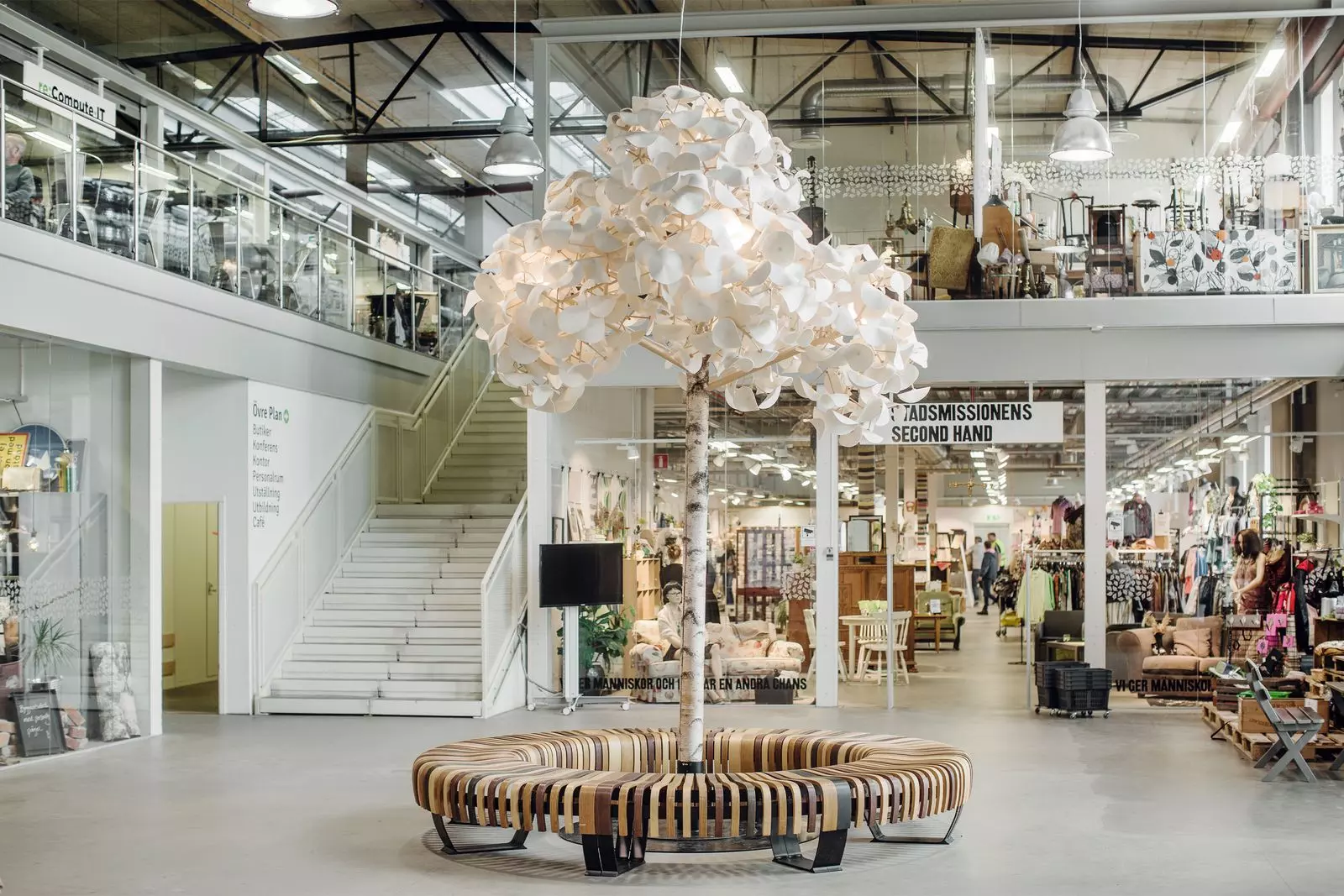
In the Swedish town of Eskilstuna, approximately 100 kilometers west of Stockholm, the pioneering ReTuna Återbruksgalleria, the world's first recycling mall, offers a compelling vision for the future of secondhand consumption. This unique retail hub, established in 2015, specializes in selling donated, pre-owned items ranging from clothing and electronics to furniture and building materials, even boasting a secondhand Ikea. Shoppers can conveniently drop off unwanted goods at a drive-through donation point. Managed by Eskilstuna Energy and Environment, a municipal company focused on sustainable waste solutions, ReTuna represents a broader municipal effort to prioritize reuse and minimize waste. Simon Glimtoft, the manager, highlights that ReTuna's success lies in its comprehensive processing: clothes are laundered, dishes cleaned, and electronics repaired. The mall even hosts a school for Recycle Design, fostering new circular businesses. ReTuna's meticulous categorization, engaging visual merchandising, and clear pricing structure ensure that 70% of donated items are resold, significantly outperforming the UK charity sector's 53% resale rate. Glimtoft emphasizes the importance of making secondhand shopping as seamless and appealing as purchasing new items, thereby normalizing sustainable consumption for a wider audience.
Beyond large-scale reuse centers, the potential of upcycling is gaining traction. Titus Nartey Doku, founder of Calcul Studios in Ghana, exemplifies this by transforming discarded textiles from Accra's Kantamanto Market into fashionable new garments using natural dyes. He advocates for charity retailers to adopt similar methods to address their mounting piles of unsold inventory, viewing clothing as adaptable resources rather than disposable items. In Gloucestershire, the Linc Blood Cancer Charity shop is experimenting with an upcycling service, where volunteers convert men's shirts into womenswear, rework vintage dresses, and tie-dye stained T-shirts. While time-intensive, this initiative aims to engage customers and create unique products, though the volume of damaged donations often outpaces the volunteers' capacity. Angela Barnes, Linc's marketing officer, stresses the need for donors to contribute cleaner, repairable items, highlighting that even basic care can significantly improve an item's resale potential. Vicki Burnett from the Charity Retail Consultancy suggests integrating community-based upcycling workshops and on-site repair services to generate excitement and deepen customer engagement.
Another innovative model, local clothing loops, offers a more intimate and community-driven approach to textile recirculation. Initiated in Amsterdam by photographer Nichon Glerum during the Covid pandemic, The Clothing Loop connects individuals in closed networks based on proximity and garment size. Participants fill a sturdy bag with unwanted clothes, pass it along, selecting desired items and adding their own before sending it to the next person. This method fosters a greater sense of accountability and reduces anonymity compared to traditional donation bins, often leading to higher quality donations. Glerum notes that when participants receive desirable items, it motivates them to contribute their own good-quality, though unworn, pieces. Burnett believes that charities could adapt this subscription-based model, especially if logistical costs are managed, as convenience is a key factor in encouraging donations. ReTuna’s collaboration with an Ikea secondhand shop, which tracks the resale cycle of items, offers further insight into how product longevity and circularity can be improved.
Despite these promising innovations, a fundamental obstacle remains: the overwhelming volume and declining quality of garments driven by fast fashion. Robin Osterley, CEO of the Charity Retail Association (CRA), attributes much of the current crisis to the proliferation of fast and ultra-fast fashion, which has lowered the overall quality of donated goods and disillusioned some secondhand shoppers. The consensus among industry experts is a call for brands to reduce production and enhance product durability. Glerum expresses concern that even local loops could eventually struggle if the quality of new clothing continues to deteriorate. Osterley appeals to the public to consider donating higher-quality items to charity shops, recognizing the vital role these organizations play in the circular economy.
The challenges confronting the secondhand clothing market underscore a critical need for systemic change within the fashion industry. While innovative models like ReTuna, upcycling initiatives, and local clothing loops offer glimpses of a more sustainable future, their long-term efficacy hinges on a broader commitment to producing durable goods and fostering responsible consumption. The onus is not solely on charity shops to manage an ever-growing tide of waste, but also on manufacturers and consumers to collectively redefine our relationship with clothing, moving towards a truly circular economy where every garment is valued and its lifecycle extended. This shift requires both policy changes and a fundamental re-evaluation of consumer habits, promoting longevity and conscious choices over fleeting trends and disposability.
About the author
André Leon Talley
Former creative director and editor-at-large at Vogue, a towering and influential figure in fashion journalism.