Matthew Mercer's Philosophy: Players' Game, Not Fans'
ByRichard Garfield
Critical Role, a beloved actual-play Dungeons & Dragons series, has captivated audiences for over a decade with its cast of professional voice actors and their undeniable chemistry. The show is celebrated for its improvisational storytelling and the memorable dialogue that arises from it. Among these, a particular quote from Matthew Mercer during Campaign 3 stands out as a powerful declaration against external criticism, encapsulating the very essence of the D&D experience.
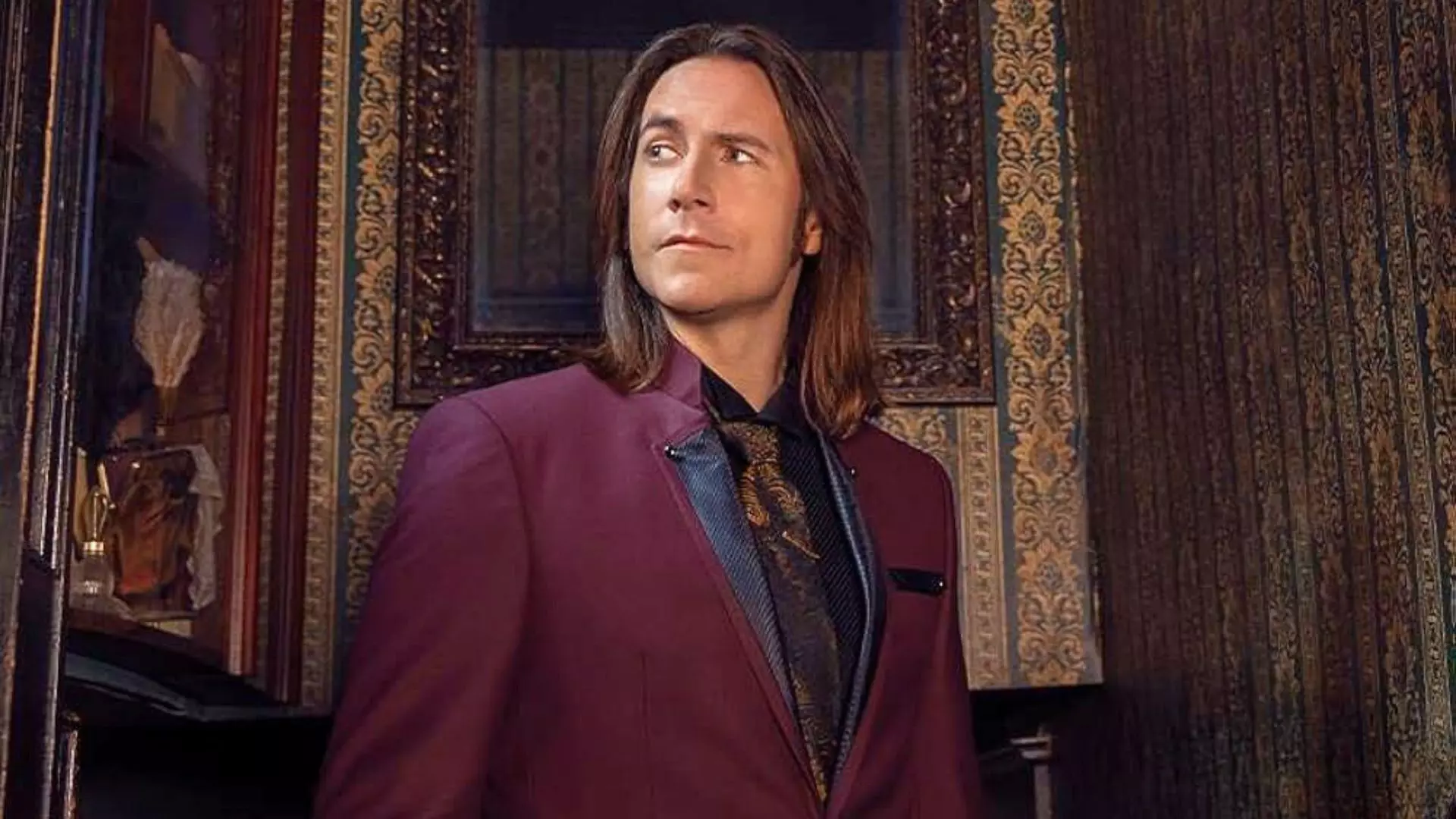
During a pivotal moment in Campaign 3, episode 42, the cast found themselves engrossed in gambling games within the city of Yios, diverting from their primary objective. When Laura Bailey expressed an apology for this digression, Mercer interjected with a profound statement: "It’s our game to have fun." This assertion, accompanied by a shrug towards the home audience, underscored that the cast would play their game as they always have, regardless of external expectations. This sentiment, though perhaps less iconic than his signature "How do you want to do this?" line, perfectly illustrates what makes Critical Role unique: a group of friends collaboratively crafting their own narrative without external influence.
The growth of Critical Role has inevitably brought scrutiny, particularly regarding perceived corporate interference, such as with Amazon's involvement in animated adaptations. However, CEO Travis Willingham has consistently denied such claims. Mercer's statement also addresses a segment of the fanbase that, for better or worse, holds strong opinions on how Dungeons & Dragons should be played. While a loyal fanbase is largely beneficial, driving engagement and discussion, it can also foster a sense of entitlement. Instances like Mercer altering resurrection rules in Campaign 2 or Marisha Ray's character, Laudna, diverging from established lineage traits in Campaign 3 have sparked backlash from purist fans. While constructive criticism is valid, the show’s improvisational nature means narrative and tension are ultimately in the hands of the players and Game Master, not solely dictated by fan opinions or strict adherence to rules. In an entertainment landscape often shaped by nostalgia and fan feedback, Mercer’s declaration serves as a vital reminder that Critical Role is, fundamentally, their game to play.
This steadfast commitment to their creative autonomy embodies a powerful message about artistic integrity and the joy of shared experience. In a world where creators often face immense pressure to conform to audience demands, Critical Role’s dedication to playing their own game, in their own way, serves as an inspiring example of authenticity. It highlights the beauty of spontaneous storytelling and the importance of preserving the intrinsic fun and personal connection that define such a unique collaborative endeavor.
About the author
Richard Garfield
Mathematician and game designer who created "Magic: The Gathering," revolutionizing collectible games.