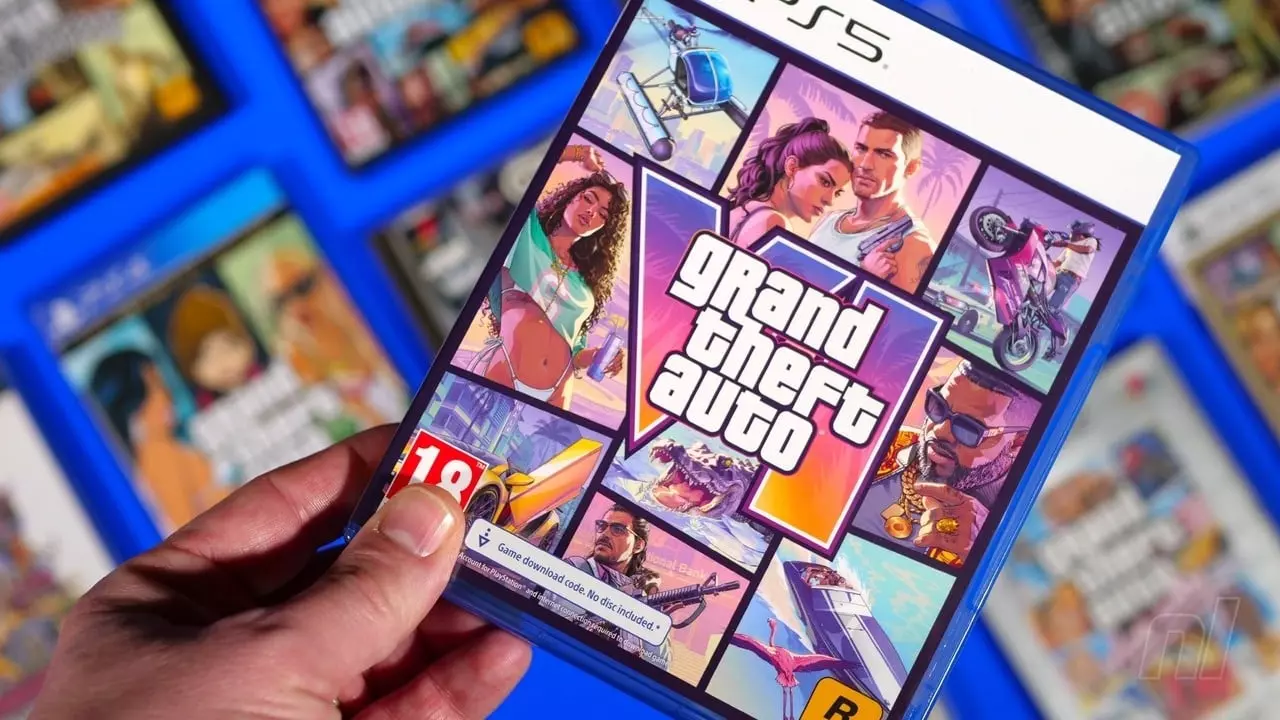
The recent debut of Grand Theft Auto 6 has sent ripples across the entertainment sector, particularly due to its groundbreaking "physical" retail performance achieved without traditional game discs. This unprecedented launch, which saw the title amass substantial revenue and unit sales in key European markets within a mere three days, represents a pivotal moment for the future of gaming distribution. Industry analysts point to these figures as a strong indicator of evolving consumer preferences, suggesting a significant segment of the audience is comfortable with purchasing a physical box containing only a digital download code. This development has ignited a fervent discussion among players and publishers alike, questioning the long-term viability of disc-based media while simultaneously validating the strategic shift towards digital formats by major players like Sony. The scenario presents a complex challenge for those who champion tangible game collections, yet it also underscores a broad acceptance of digital transition by the general public.
Initial reports from market observers confirm the title's commercial prowess. In the United Kingdom, Grand Theft Auto 6 generated an astounding £32 million in its first seventy-two hours, marking it as the most successful "physical" release in that territory since 2019. Furthermore, historical data places this launch among the top seventeen physical game debuts in the UK since records began over two decades ago. Across the English Channel, the narrative of success continued, with France witnessing sales exceeding one million boxed copies within the same timeframe, a feat reminiscent of Grand Theft Auto V's initial performance in 2013. Meanwhile, the Spanish market also recorded an unprecedented physical launch for the game, underscoring its broad European appeal.
This meteoric rise of a disc-less physical product is being keenly observed by major industry players. Sony, for instance, is likely to interpret these sales figures as a strong endorsement of its decision to phase out physical disc production by 2028. The rationale is that if a colossal title like Grand Theft Auto 6 can achieve such widespread success through a download code in a box, it signifies a broader consumer readiness to embrace purely digital distribution. Consequently, many other prominent game publishers are anticipated to accelerate their transition away from physical media, potentially implementing similar strategies well before Sony's projected timeline. The argument is that the logistical complexities and manufacturing costs associated with discs can be circumvented without significantly impacting sales, especially for high-demand franchises.
In stark contrast to the burgeoning trend of digital-only physical releases, Nintendo appears poised to maintain its current course regarding cartridge-based media. Data derived from recent financial disclosures indicates that a substantial portion—nearly half—of Nintendo's first-party game sales for its Switch console, and potentially its successor, the Switch 2, still originate from physical cartridges. This robust demand suggests that a significant segment of Nintendo's user base continues to value the tangible aspect of game ownership. For this reason, the company is not expected to swiftly abandon its established physical distribution model, offering a counterpoint to the broader industry's lean towards disc-free solutions.
The current trajectory, however, presents a challenging outlook for dedicated collectors and proponents of physical game preservation. The overwhelming commercial success of Grand Theft Auto 6's code-in-a-box model signals a shift where the convenience of digital access, even when presented in a physical package, outweighs the desire for an actual game disc for a large consumer base. While a vocal minority may express discontent with publishers' decisions to eliminate discs, the market's response to this latest launch suggests that the majority of purchasers are largely indifferent to the inclusion of physical media, prioritizing access to the game itself above all else. This evolution points towards a future where physical game copies might increasingly become collector's items or niche products.
Ultimately, the blockbuster debut of Grand Theft Auto 6, characterized by its extraordinary sales performance in a "physical" format devoid of a disc, provides a compelling insight into the evolving dynamics of the video game market. This phenomenon not only solidifies the growing acceptance of digital distribution but also compels industry leaders to re-evaluate their strategies concerning packaging and consumer delivery. It underscores a significant divergence in consumer behavior between different gaming ecosystems, with some segments demonstrating a clear preference for digital convenience, even within a physical shell, while others steadfastly cling to the tradition of tangible cartridges. The outcome inevitably reshapes expectations for future game releases and the role of physical media within the rapidly transforming landscape of interactive entertainment.
About the author
Jane McGonigal
Game designer and author who writes about using games to improve real life and solve problems.