The Enduring Legacy of Ocarina of Time's Combat in Modern Gaming
ByRoberta Williams
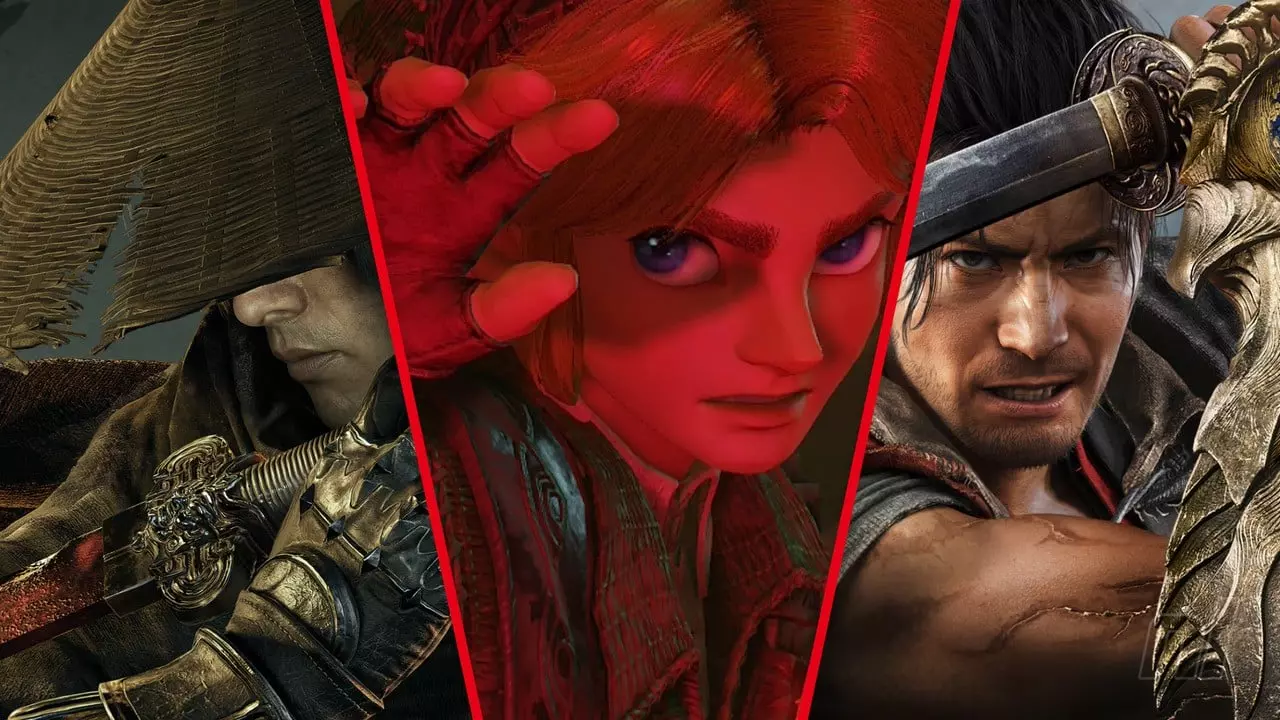
Despite the chatter surrounding major new game releases, 2026 is notable for its exceptional lineup of video game sword fighting experiences. Modern titles like 'Onimusha: Way of the Sword', with its fluid katana maneuvers, 'Blood of Dawnwalker', offering a sophisticated parry-and-strike rhythm, and 'Phantom Blade Zero', dazzling with its cinematic wuxia choreography, are continually pushing the boundaries of virtual combat. This vibrant landscape makes the return of 'The Legend of Zelda: Ocarina of Time' particularly significant, reminding players of its pivotal role in shaping the very foundation of 3D action gameplay, a legacy that continues to influence countless successors in the genre.
The original 'Ocarina of Time' on the N64 famously introduced groundbreaking mechanics such as lock-on targeting and circular strafing, defining the blueprint for future action games. This revolutionary approach to sword fighting had an intriguing genesis, stemming from a visit to the Toei Kyoto Studio Park by co-director Toru Osawa. Inspired by a ninja theatrical performance where multiple attackers engaged a samurai sequentially, director Yoshiaki Koizumi conceived the "Z-targeting" system, ensuring Link would not be overwhelmed by mobs. The remake acknowledges this foundational design but wisely adapts it for contemporary players, making enemies like the Wolfos more formidable and aggressive, forsaking the predictable, one-at-a-time engagements seen even in some recent 'Ocarina' spiritual successors. This updated challenge maintains the core design integrity while catering to modern combat sensibilities.
Without a trending stamina gauge, the automatic shield raise upon enemy lock-on mitigates risk; any damage taken is often a result of overconfidence.
The remake's combat system, while refreshed, intentionally diverges from many modern trends prevalent in Soulslike games. It offers a faster, more responsive, yet fundamentally familiar experience that deliberately omits high-risk parry systems, stamina meters, or distinct light and heavy attacks. This measured approach fosters a strategic, almost chess-like engagement where players must exploit enemy weaknesses rather than relying on complex combo inputs or intricate timing. This philosophical choice ensures 'Ocarina of Time's' combat remains unique and timeless, resisting the urge to conform to every contemporary embellishment, and reminding us why Link, the original green-clad hero, remains the quintessential master whose lessons continue to resonate with new generations of virtual warriors.
Ultimately, 'Ocarina of Time's' combat stands as a testament to pioneering game design, demonstrating that innovation doesn't always mean adopting the latest fads. Its enduring influence and the remake's thoughtful evolution serve as a powerful reminder that strong foundational principles, combined with strategic depth and a clear artistic vision, can create an experience that transcends generations. It inspires game developers to consider the long-term impact and unique character of their creations, fostering a richer and more diverse gaming landscape where classic and modern philosophies can coexist and thrive, enriching the player's journey with both nostalgia and fresh challenges.
About the author
Roberta Williams
Pioneer of graphic adventure games, co-founder of Sierra On-Line, and creator of "King's Quest."