German Reliability Report Reveals Poor Performance for MG4 and Tesla EVs
ByChris Harris
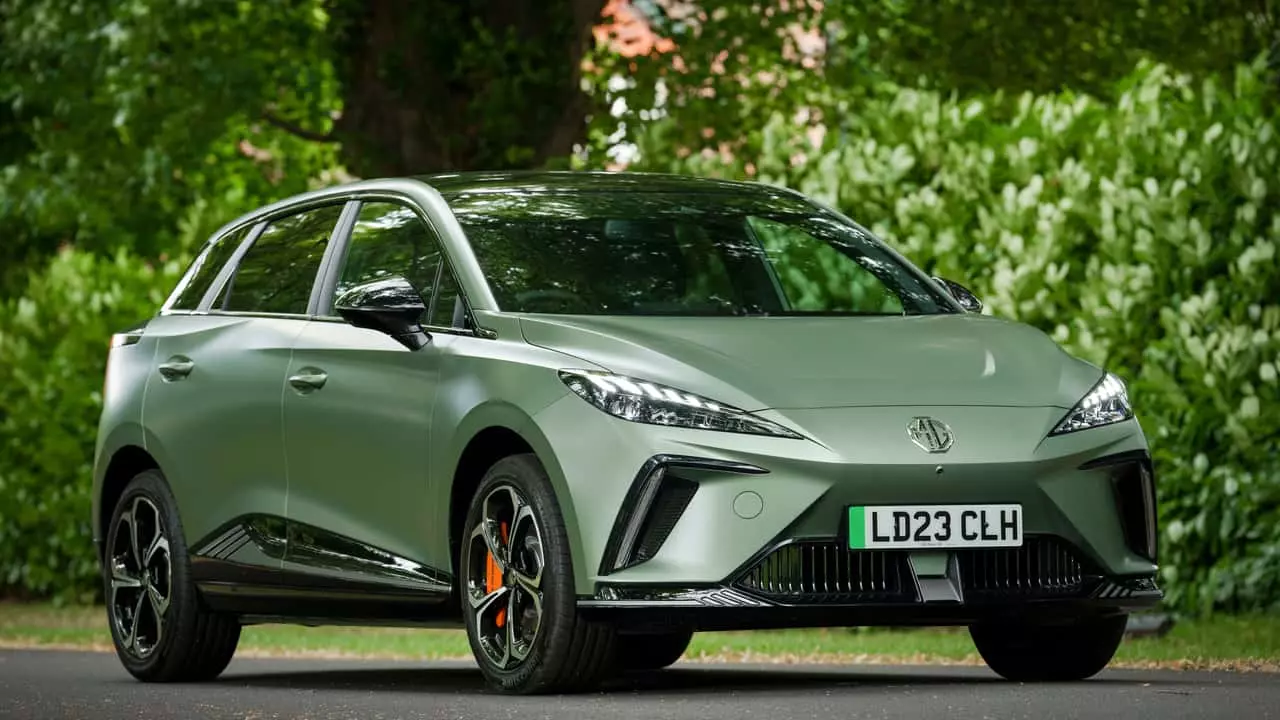
The MG4, a notable electric vehicle from SAIC, recently entered Germany's esteemed TÜV reliability assessment, yielding a surprisingly low ranking. This widely discussed affordable electric hatchback secured the 108th position out of 109 models in the 2- to 3-year-old vehicle category, according to analysis by the ADAC (Germany's leading automobile club). The comprehensive report, based on 9.7 million mandatory inspections conducted between July 2025 and June 2026, revealed that 16 percent of MG4 vehicles exhibited "significant" or "dangerous" defects. A primary concern identified was the premature corrosion of brake discs, a frequent issue in electric cars due to the reduced reliance on friction braking and the additional mass of battery packs, alongside common lighting faults.
Despite the MG4's disappointing performance, the study emphasizes that issues are not inherent to electric powertrains but rather stem from specific design and component choices, as evidenced by varied results among electric models. In stark contrast to the MG4's high defect rate, several other electric vehicles demonstrated exceptional dependability. For instance, the Mazda MX-30 emerged as the top-performing EV in the study, securing third place overall with a mere three percent defect rate. Other well-regarded electric cars included the Audi Q8 e-tron, Mini Cooper SE, and Mercedes EQA, all ranking within the top ten. Conversely, the Tesla Model 3 and Model Y also appeared at the lower end of the reliability spectrum, with the Model Y landing in last place for a second consecutive year, albeit with a caveat regarding its unique service interval practices potentially influencing the inspection data.
The findings present a critical challenge for brands like MG, which market their vehicles primarily on affordability, as unexpected repair expenses can quickly diminish perceived value. The report clearly differentiates between defects discovered during inspections and actual roadside breakdowns, indicating that these figures reflect latent issues rather than immediate operational failures. This thorough examination by TÜV also highlighted a broader trend in Germany's automotive landscape: the average age of vehicles is increasing, now at 10.9 years, leading to a natural rise in overall failure rates with age. The study meticulously categorizes winners and losers across various age groups, offering valuable insights into long-term vehicle quality and endurance.
The continuous evaluation of vehicle reliability, such as that conducted by TÜV, serves as a vital compass for innovation and improvement within the automotive industry. It underscores the importance of meticulous engineering and robust material selection in the development of new car models, especially as the industry transitions towards electrification. This transparency fosters a competitive environment where manufacturers are incentivized to enhance product quality and longevity, ultimately benefiting consumers through safer, more durable, and more economically sustainable vehicles. Embracing these insights allows for informed choices and pushes the entire sector towards a future of enhanced engineering integrity and customer satisfaction.
About the author
Chris Harris
Driver and journalist, now with Top Gear, renowned for his technically skilled and enthusiastic car reviews.