The 1977 Mazda Cosmo: A Rotary Coupe's Dual Identity and Unsung Virtues
ByChris Harris
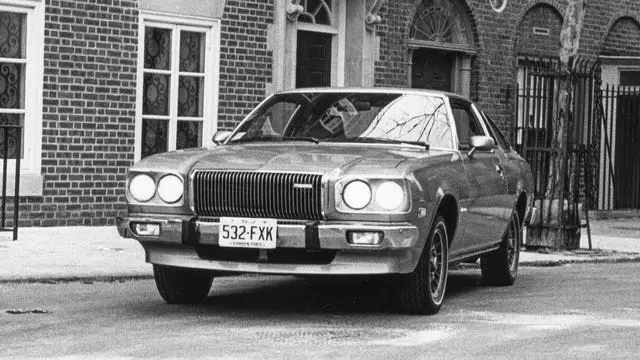
The 1977 Mazda Cosmo presented itself as an intriguing blend of East and West, often mistaken for an American-made vehicle due to its smooth, quiet operation reminiscent of a V8-powered sedan and even sharing certain structural flexibilities found in Detroit's offerings. This distinctive two-door coupe, equipped with a unique two-rotor Wankel engine, surprisingly struggled to find an audience in the United States. Its lack of appeal was perhaps influenced by negative perceptions surrounding rotary engines at the time, combined with an uninspired aesthetic palette that included drab colors and an unfortunate pairing of mag wheels with whitewall tires. Paradoxically, the very same model enjoyed immense popularity in its home market of Japan, where it garnered critical acclaim, including a prestigious Car of the Year award, demonstrating a stark contrast in cultural appreciation for its design and engineering.
Beyond its polarizing exterior and market performance, the Cosmo harbored significant merits, particularly its dynamic capabilities. This often-overlooked vehicle boasted impressive acceleration, with its Wankel engine eagerly pulling past 2000 rpm and surging cleanly to 7000 rpm, easily outpacing many larger V8-powered contemporaries on the highway. Crucially, this robust performance did not come at the expense of fuel economy; the 1977 model, paired with a five-speed manual transmission, achieved commendable figures of 32 mpg on the highway and 20 mpg in urban settings, averaging 25 mpg combined—an exceptional feat for its power output. Inside, the Cosmo offered a surprisingly spacious and well-appointed cabin, comparable to a Camaro in occupant room, and a trunk that surpassed Chevrolet's due to efficient spare tire storage, all within a footprint slightly more compact than a Corvette. The interior exuded a Detroit-like luxury, featuring a clean vinyl dashboard adorned with a full suite of instruments and faux wood accents, along with plush velour upholstery for seats and door panels.
Despite its many virtues, the Cosmo wasn't without its imperfections, primarily manifesting in its ride quality. While it delivered a serenely smooth experience on pristine road surfaces, encounters with uneven pavement revealed its limitations; the front wheels exhibited noticeable steering inputs over bumps, and the suspension's restricted travel occasionally caused the wheels to lose contact with the road. However, these handling characteristics were considered addressable, potentially through factory adjustments or aftermarket component upgrades, such as improved shock absorbers. The car's innovative rotary engine, however, was beyond reproach, performing flawlessly and backed by an exceptional five-year or 75,000-mile warranty from Mazda, assuring owners of its long-term reliability. This comprehensive guarantee highlighted Mazda's confidence in its engineering, making the Cosmo an even more compelling, albeit underappreciated, proposition.
The journey of the 1977 Mazda Cosmo illustrates how innovative engineering and thoughtful design can sometimes be ahead of their time or misjudged by prevailing market sentiments. Its blend of spirited performance, unexpected fuel efficiency, and a comfortable, well-equipped interior showcased Mazda's commitment to pushing automotive boundaries. This narrative reminds us that true value often resides beneath the surface, waiting to be rediscovered and appreciated for its intrinsic qualities, fostering a sense of curiosity and encouraging us to look beyond initial impressions to find the remarkable in the overlooked.
About the author
Chris Harris
Driver and journalist, now with Top Gear, renowned for his technically skilled and enthusiastic car reviews.