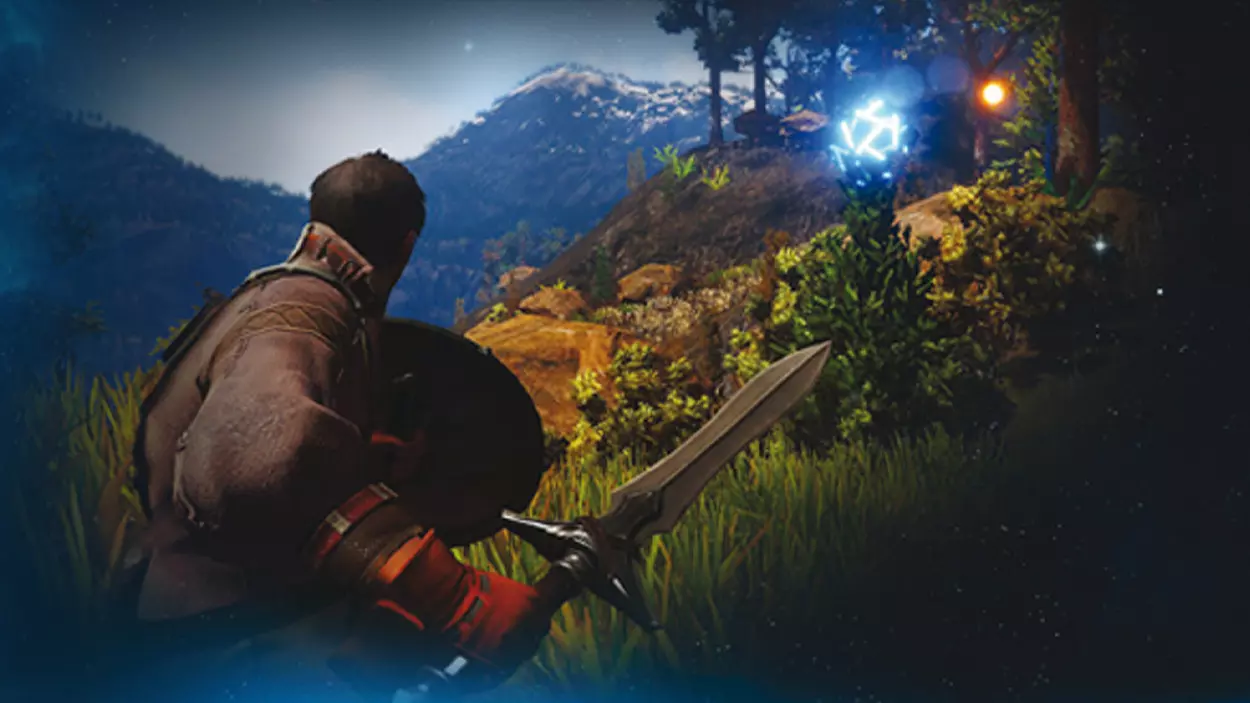
A Decade in Development: The Resurgence of Novus Inceptio
ByJane McGonigal
In a surprising turn of events for the gaming community, the long-dormant early access survival title, Novus Inceptio, has recently re-emerged with a substantial update. Developed by the solitary talent behind McMagic Productions, Martin Markus Mastný, this revival comes after a significant silence that stretched back to 2018. The game, which first graced the early access landscape in October 2015, is now seeing renewed dedication from its creator, who expresses a profound sense of purpose in seeing his original vision through to completion. This unforeseen resurgence has captivated players and industry observers alike, prompting discussions about the unique journey of independent game development and the enduring passion that drives creators.
Mastný's return was publicly announced on October 5th, with a heartfelt plea to players: "Please give Novus one more chance." He articulated that while development wouldn't be a full-time endeavor, the "energy and the will to finish the project are back." This move, he explained, also serves to alleviate a long-standing personal burden. The recent update is not merely a small patch; it introduces a significantly expanded game world, enlarging the map from 9 km² to a sprawling 64 km² of untamed wilderness. Furthermore, the combat system has been entirely revamped, and while currently a single-player experience, future plans include incorporating cooperative gameplay. This comprehensive overhaul signals a fresh start and a determined effort to reshape the game into what Mastný initially envisioned.
The journey of Novus Inceptio has been a tumultuous one. Mastný recounted the challenges that led to the extensive development hiatus, describing how he plunged into game development, teaching himself C# and Unity from 2013 until the game's early access launch in 2015. His initial ambition was to create an MMORPG, meticulously building server layers and databases. However, the realities of a Steam early access launch proved overwhelming. Mastný found himself grappling with myriad responsibilities beyond development, including public relations, sales, and community management. He felt compelled to respond to every player inquiry, leading to a relentless cycle of work that spanned from early 2016 until 2019 without respite. This constant pressure to satisfy every demand and chase positive reviews ultimately led to "total collapse and burnout," fundamentally altering the game from its intended path. Mastný now recognizes these compromises in the game's code and mechanics and is committed to rectifying them.
His decision to return to Novus Inceptio is deeply personal, rooted in the desire to fulfill a long-held dream. Despite acknowledging the impossibility of realizing his vision "100%," the inherent beauty and immersive quality of the game world—allowing him to lose himself in its landscapes—reignited his passion. He also feels a strong sense of responsibility to the player community and to properly conclude a significant chapter of his life that has shaped him both positively and negatively. Viewing the game as his "child," Mastný finds it difficult to hear criticism, understanding that he poured his best efforts into its creation. His message to skeptical players is one of humble transparency: he cannot make grand promises, but he invites them to observe his renewed commitment. Early access, he believes, still offers the flexibility to adapt and respond to community feedback, a dynamic he has always embraced.
For aspiring solo developers in the survival game genre, Mastný offers a word of caution and encouragement. He advises them to pursue what they genuinely enjoy and to draw lessons from the successes and failures of other titles. However, he acknowledges that the current landscape is far more challenging than it was in 2015. He emphasizes the importance of innovation and seeking out new challenges within the genre. Reflecting on his own experience, he admits that avoiding classic co-op functionality initially hindered the game commercially. Sometimes, he suggests, a developer must set aside their personal vision when it impedes the game's progress, a realization often gained only through distance or external perspective. This hard-won wisdom, he concludes, is perhaps the most valuable advice he can impart.
About the author
Jane McGonigal
Game designer and author who writes about using games to improve real life and solve problems.