China's Memory Chip Industry Secures Western DUV Machines for Three Years of Growth
ByRoberta Williams
In an era defined by a global technological arms race, with artificial intelligence capabilities increasingly serving as a measure of national and international influence, the underlying hardware remains paramount. China, while previously trailing in this domain, has demonstrated rapid progress in narrowing the gap.
Chinese Chipmakers Bolster Production Capacity with Western DUV Technology
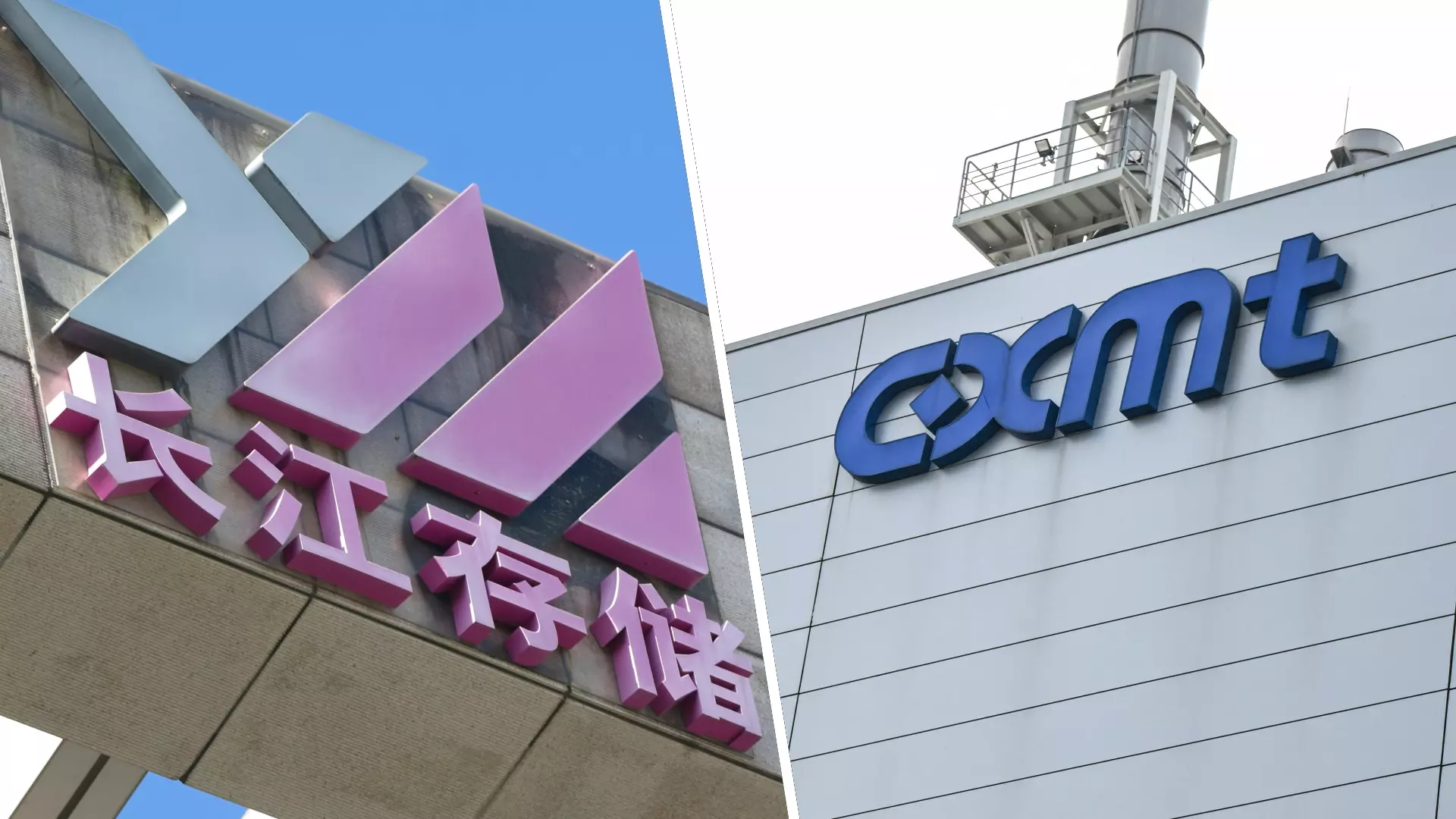
Reports indicate that leading Chinese memory manufacturers, CXMT and YMTC, have strategically acquired a substantial inventory of Deep Ultraviolet (DUV) lithography machines from the Dutch semiconductor equipment giant, ASML. This acquisition is poised to fuel their expansion initiatives for the forthcoming three years. The development unfolds amid a broader effort by the Chinese government and domestic corporations, such as Huawei, to foster indigenous technological production and diminish reliance on foreign technology. Nevertheless, local alternatives are still considered to be several years behind the output efficiency of ASML’s machinery.
While DUV machines may not represent the absolute cutting edge—Extreme Ultraviolet (EUV) technology holds that distinction—they remain a cornerstone of chip manufacturing, even for many Western firms. Prominent chipmakers like Samsung and TSMC are slated to transition to high-numerical-aperture (high-NA) EUV production by 2028 and 2030, respectively, having already adopted low-NA EUV. However, DUV technology continues to be extensively utilized by these companies for a significant portion of their chip fabrication.
Persistent rumors regarding China's access to EUV technology, and even concerns about the potential acquisition of ASML-made EUV machines despite export restrictions, have been circulating, though ASML has refuted such claims.
Regardless of EUV access, China’s memory industry is making swift advancements through its deployment of DUV technology. The securement of a three-year supply of ASML DUV machines will undoubtedly bolster the chipmaking expansion plans of CXMT and YMTC. Although China is also reportedly developing its own DUV machines, supplementing its capabilities with ready-made equipment from ASML offers an immediate advantage.
CXMT, in particular, has seen a consistent and notable increase in its market share. While its memory products are currently predominantly consumed domestically, this trend may not endure indefinitely. Furthermore, the preference of Chinese consumers for local memory solutions exerts competitive pressure on Western memory manufacturers, prompting them to innovate and adapt. The evolution of CXMT's memory technology is evident in its integration into RAM kits that meet the performance benchmarks for Western gaming PCs, offering a tangible illustration of the Chinese memory industry’s impressive progress. With ongoing plans for the establishment of additional fabrication plants, the landscape of the global memory market remains dynamic and competitive.
About the author
Roberta Williams
Pioneer of graphic adventure games, co-founder of Sierra On-Line, and creator of "King's Quest."