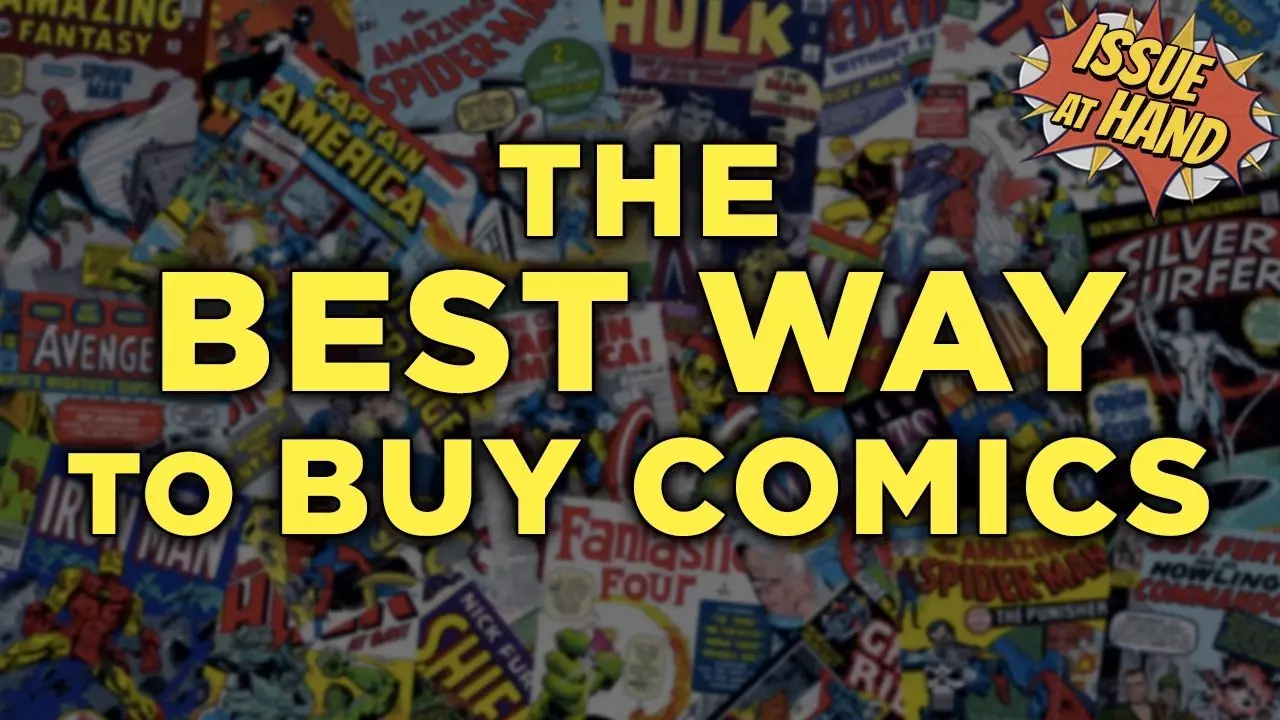
Navigating Comic Acquisition: Convenience Versus Creator Support
ByShigeru Miyamoto
The world of comic book acquisition presents a persistent dilemma for enthusiasts: the choice between personal convenience and robust support for the creators. This fundamental tension means that the easiest methods of purchase often provide less direct benefit to the artists and writers, while more direct support might require additional effort from the consumer. Understanding this dynamic is key to making informed decisions as a comic reader and supporter.
The Dual Paths of Comic Acquisition
When seeking to acquire comic books, readers are generally confronted with two distinct avenues, each with its own set of advantages and disadvantages. One path emphasizes the ease and speed of obtaining comics, often through large retailers or digital platforms that offer broad accessibility and instant gratification. This approach caters to the modern consumer’s desire for efficiency and a seamless shopping experience. However, this convenience often comes at the cost of a smaller percentage of the sale price reaching the original creators. The other path, focusing on creator support, typically involves purchasing directly from independent comic shops, artist alley events, or specialized crowdfunding campaigns. These methods ensure a greater share of the revenue goes to the creators, fostering a healthier ecosystem for independent artistry.
The first path, prioritizing convenience, often leads consumers to mainstream online marketplaces or digital comic subscriptions. These platforms excel in offering vast libraries, competitive pricing, and immediate delivery, allowing readers to access their desired titles with minimal friction. The sheer volume of options and the ability to browse from anywhere make these services incredibly appealing. Yet, the business models of these large entities mean that a significant portion of the sale is retained by the distributor, leaving a smaller cut for the comic book artists and writers who poured their effort into creating the work. This model, while efficient for the consumer, can strain the financial viability of creative professions within the industry. Conversely, the second path, dedicated to creator support, encourages patrons to seek out local comic book stores, attend conventions, or participate in direct-to-consumer initiatives. These channels build a more direct relationship between the reader and the creator, ensuring that a larger share of each purchase directly contributes to the livelihoods of those who bring these fantastical worlds to life. While this approach might require more conscious effort, it ultimately strengthens the creative community and enables the production of more diverse and innovative content.
Balancing Personal Preference and Industry Sustenance
The decision of how to buy comic books often boils down to a personal balancing act between individual purchasing preferences and a desire to contribute to the long-term health of the comic book industry. There is a continuous negotiation between what is easiest for the individual consumer and what is most beneficial for the artists, writers, and publishers who drive the creative output. This highlights a broader challenge within many creative industries: how to sustain artistic endeavors in an era dominated by convenient, but sometimes less supportive, consumption models.
Ultimately, the choice of where and how to purchase comic books reflects a consumer's values and priorities. Some might prioritize the sheer volume and immediate access offered by large online retailers, finding that the convenience outweighs concerns about direct creator compensation. For them, the ability to quickly discover new titles and expand their collection is paramount. Others, driven by a commitment to fostering creative talent, might actively seek out independent comic shops, attend comic conventions, or support crowdfunding campaigns, understanding that these actions directly empower creators. This intentional effort to bypass larger intermediaries ensures that a greater portion of their expenditure directly supports the artistic process. The ideal scenario, perhaps, lies in a hybrid approach: utilizing convenient channels for casual reading while making a conscious effort to support beloved creators and local businesses through more direct means when possible. This balanced strategy allows readers to enjoy the best of both worlds—unfettered access to content and meaningful contributions to the creative community they cherish.
About the author
Shigeru Miyamoto
Legendary game designer at Nintendo, creator of Mario, Zelda, and Donkey Kong.