The Art of Accessorizing: How “Wild Horse Nine” Defines 70s Style
ByDiane von Fürstenberg
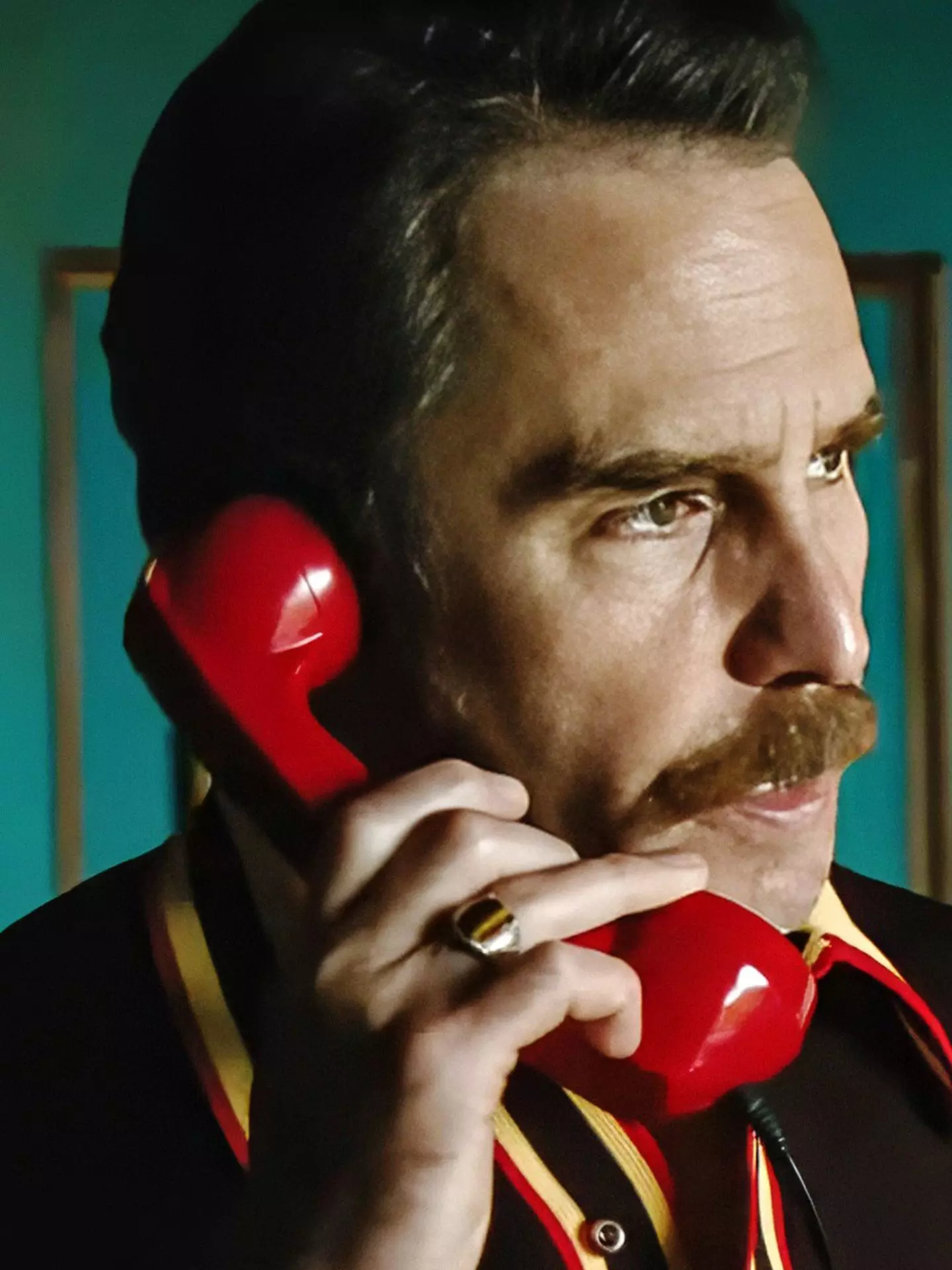
"Wild Horse Nine," Martin McDonagh's latest cinematic offering, presents a fascinating blend of Western aesthetics with a 1970s setting on Easter Island. This film explores not just its narrative but also a distinct sartorial flair, particularly through its use of bold accessories. Costume designer Eimer Ní Mhaoldomhnaigh masterfully crafts the characters' appearances, infusing them with a "dandyish" quality reminiscent of the era. The meticulous attention to detail in elements like custom-made cowboy hats, sterling silver belt buckles with turquoise inlays, and substantial signet rings plays a pivotal role in defining the persona of each character, including the CIA operatives portrayed by John Malkovich and Sam Rockwell. These carefully selected items transcend mere clothing, becoming integral to the actors' embodiment of their roles and the overall visual storytelling of the movie.
The film, which features John Malkovich and Sam Rockwell as CIA operatives, is notably set on Rapa Nui in the 1970s. Despite the exotic locale and the serious backdrop of a coup plot in Chile, the costume choices lean heavily into a Western sensibility. Tom Waits also makes an appearance, further cementing the film's genre-bending approach. Mhaoldomhnaigh's vision was to capture the essence of 1970s menswear, which she describes as having an almost dandyish quality. This meant bright shirts, flared trousers, and, most importantly, a rich array of accessories. She emphasizes that while the main garments set the foundation, it's the added details—like a belt, Cuban heels, or a cowboy hat—that truly bring a character to life, imbuing them with a distinct "swagger."
The specific accessories used in the film are a testament to the designer's dedication to authenticity and character development. For instance, Rockwell's cowboy hat was a bespoke creation by London milliner Sophie Lamb, known for her work on period films. His Navajo-style belt buckle, featuring sterling silver and turquoise, was sourced with an eye for traditional American Western craftsmanship. Mhaoldomhnaigh reveals that she often scoured both vintage markets and contemporary platforms like Etsy to find pieces that resonated with her vision. She also noted the fine line between adding detail and over-accessorizing, recalling an instance where a chain was removed from Rockwell's outfit to prevent it from looking like "decorating a Christmas tree."
Other characters also boast iconic pieces that reflect their roles and personalities. Steve Buscemi, playing the South American CIA boss, sports Coblens glasses with gradated lenses and a vintage Rotary watch, epitomizing a powerful yet stylish figure. Malkovich’s character, who clings to his 1960s glory, is often seen with a distinctive pork-pie hat. However, it's the prevalence of chunky rings across the cast, including Waits's hippie brother character, that truly stands out. Mhaoldomhnaigh, having grown up in the 70s, drew inspiration from her own memories of men wearing such rings, indicating a deliberate effort to evoke a tangible sense of nostalgia and period accuracy. Malkovich's gold ring with a black onyx stone, for example, was notably acquired from London's famous Liberty department store.
Ultimately, "Wild Horse Nine" stands as a compelling example of how costume design can be a powerful storytelling tool. Mhaoldomhnaigh's work ensures that each character's attire is not just clothing but an extension of their heightened personalities, a common trait in Martin McDonagh's films. The carefully curated accessories contribute significantly to the film's visual identity, allowing the characters to project their individuality and the era's unique fashion sensibilities.
About the author
Diane von Fürstenberg
Fashion designer and author, best known for the wrap dress and her writings on style and female empowerment.