Exploring Easter Island: A Cinematic and Cultural Journey
ByAndré Leon Talley
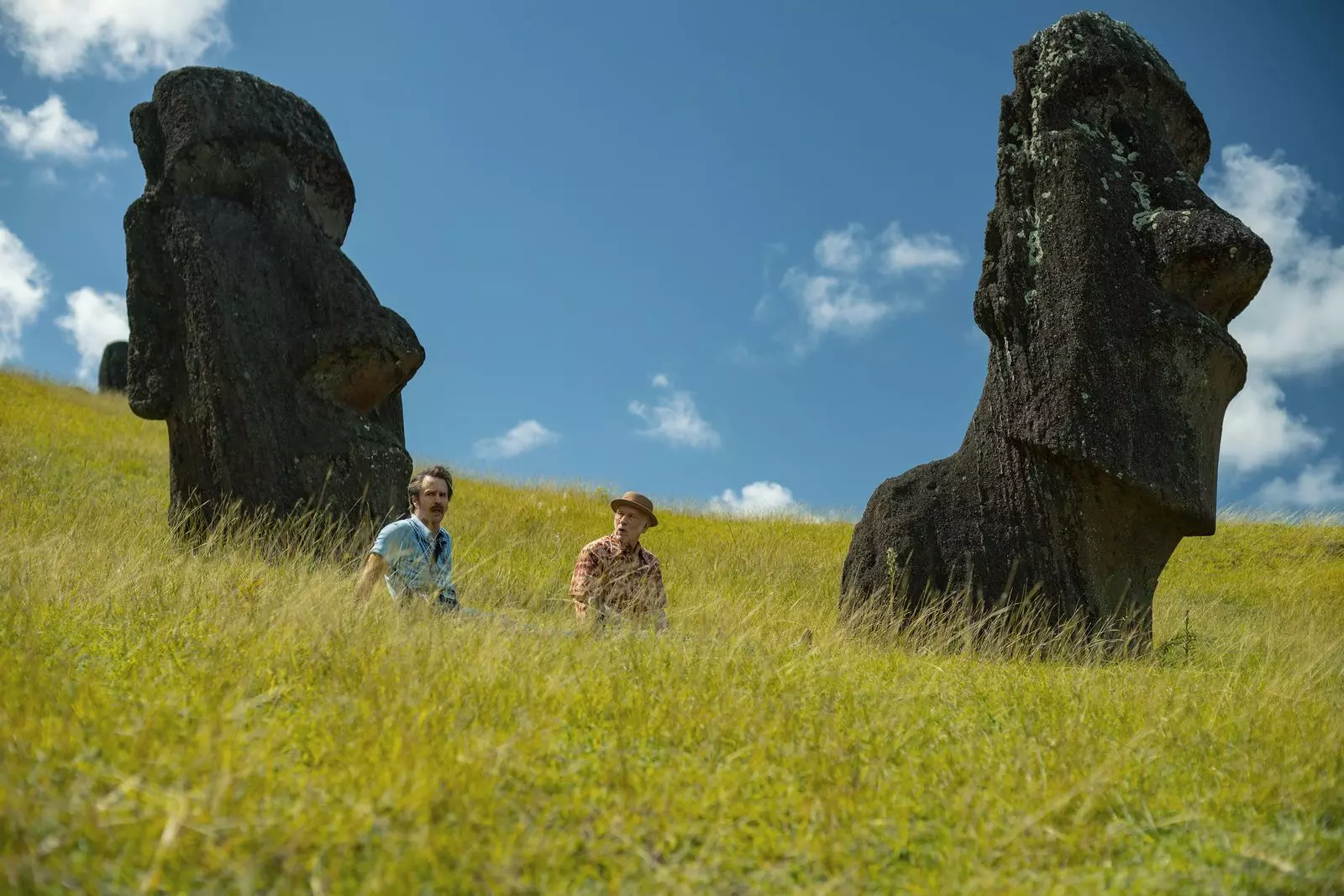
Martin McDonagh's latest cinematic offering, 'Wild Horse Nine,' has sparked significant interest in its stunning filming location: Easter Island, also known as Rapa Nui. This remote Pacific destination, featured prominently in the dark comedy-thriller starring John Malkovich and Sam Rockwell, is more than just a picturesque backdrop; it's a place rich in history, culture, and natural beauty. For those captivated by the film's portrayal of this distant land and inspired to embark on their own adventure, this guide provides essential insights into planning a memorable trip to Rapa Nui, ensuring visitors can fully immerse themselves in its ancient mysteries and breathtaking landscapes, while respecting its profound cultural heritage and unique archaeological sites.
The decision to film 'Wild Horse Nine' on Rapa Nui was a monumental undertaking, marking it as the largest Hollywood production ever to grace the island and only the second film in its history. The logistical challenges were immense, requiring the transportation of period-specific sets across thousands of miles of ocean to an island situated over 2,200 miles west of South America. Crucially, the production team collaborated closely with local authorities to guarantee that filming activities would not disturb the sacred archaeological sites or the cherished Rapa Nui culture. A significant portion of the island, nearly half, falls within the protected Rapa Nui National Park, underscoring the delicate balance between tourism, filmmaking, and preservation efforts. The island's iconic nearly 1,000 moai statues, scattered across its unique terrain, symbolize its deep spiritual and cultural importance.
Reaching Rapa Nui requires a dedicated journey, typically involving a five-hour flight from Santiago, Chile, with flight availability often limited. Travel specialist Carola Fresno from Timbuktu Travel emphasizes the unique reward of visiting such an effort-demanding destination. She recommends a minimum stay of three nights, ideally four or five, to allow ample time for exploration beyond the renowned moai. Visitors from countries not requiring a visa for Chile also won't need one for Rapa Nui, though an online entry form is mandatory. While renting a car, scooter, or bicycle is an option for getting around, many archaeological sites necessitate an accredited local guide to ensure respect for the culture and proper understanding of its significance. Fresno strongly advocates for exploring with a driver and local guide, believing that truly understanding Rapa Nui's culture is the most valuable aspect of the visit.
For accommodations, Nayara Hangaroa offers an oceanfront experience within walking distance of the island's main town. Its 75 guest rooms boast private terraces, and the design integrates natural materials like cypress logs, clay, and volcanic stone. The resort's commitment to sustainability extends beyond solar panels to a local initiative that transforms recycled microplastics into moai figurines, serving as a clever souvenir and a reminder of ocean preservation. Guest activities, curated by the co-owning Hitorangi family, range from traditional dance and cooking classes to visits with a local beekeeper, highlighting the island's healthy honeybee population.
Beyond cinematic inspiration, Rapa Nui offers a plethora of activities. Excursions include hiking volcanic craters and horseback riding to Mount Terevaka, the island's highest point. Fresno particularly enjoys hiking along the tranquil northern coast, which culminates at the white sands of Anakena Beach. For those interested in dormant volcanoes, a longer hike in the Poike area reveals volcanic landscapes and caves, leading to Ahu Tongariki, where 15 moai majestically stand on a ceremonial platform—a truly mesmerizing sight. Divers can explore the island's volcanic origins through underwater cliffs, caves, and rock formations, appreciating the extraordinary blue waters and excellent visibility, even if coral abundance isn't its primary draw.
Supporting the local community is paramount, and choosing family-run restaurants is a great way to contribute. While Rapa Nui isn't a fine-dining hub, its culinary scene is rich with Polynesian and Chilean influences. Fresno recommends trying the local seafood, especially tuna, noting the island's generally relaxed and informal charm. Experiencing an umu, a traditional Polynesian earth oven cooking method using heated stones, is also a must. Respecting archaeological sites and local traditions is crucial, as the moai and ceremonial areas hold deep spiritual and cultural importance. The ideal time to visit is between April and May or September through October, when temperatures are mild and tourist crowds are thinner, although January to March offers optimal beach conditions, albeit with more visitors.
Rapa Nui's mystique, amplified by its role in 'Wild Horse Nine,' draws visitors seeking a profound connection with its ancient past and unique natural environment. It remains a destination that promises both adventure and a deep appreciation for its rich cultural tapestry. The island's efforts in sustainable tourism and cultural preservation ensure that its allure will continue for generations to come.
About the author
André Leon Talley
Former creative director and editor-at-large at Vogue, a towering and influential figure in fashion journalism.