The "Yes, And?" Principle: A Dungeon Master's Essential Tool for Enhancing Player Creativity
ByShigeru Miyamoto
The realm of tabletop role-playing games thrives on boundless creativity and interactive storytelling. This article delves into a fundamental principle that significantly elevates the DM-player dynamic, drawing insights from the acclaimed Dungeon Master, Matthew Mercer. It emphasizes how a simple yet profound improvisational technique can unlock unprecedented player engagement, enrich narratives, and transform every gaming session into a more vibrant and memorable experience.
Unleash Imagination: The Core Philosophy for Dynamic Storytelling
The Art of Dungeon Mastering: A Unique Journey for Every Storyteller
Each Dungeon Master brings a distinct flair to their tabletop role-playing sessions, crafting narratives and challenges that are uniquely their own. Esteemed DMs like Matthew Mercer, Aabria Iyengar, and Brennan Lee Mulligan exemplify this individuality, offering a masterclass in varied storytelling approaches that captivate audiences and inspire aspiring DMs globally.
Embracing the "Mercer Effect" and Its Impact on TTRPG Communities
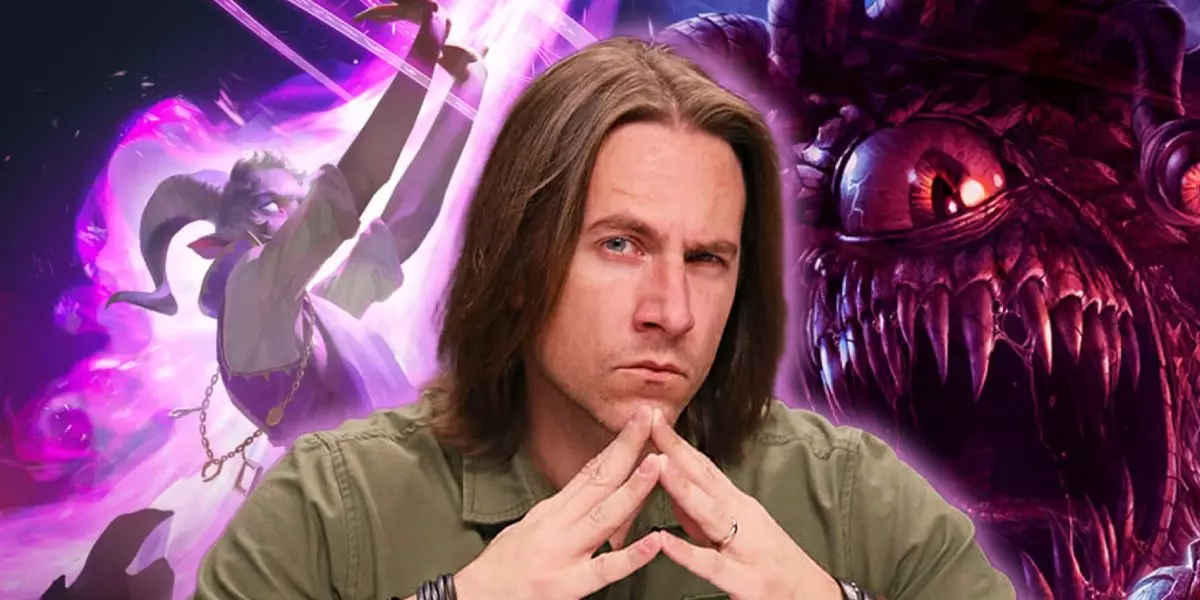
Matthew Mercer's distinctive Dungeon Mastering style has long been a source of inspiration, leading to the well-known "Mercer Effect" within the TTRPG community. This phenomenon describes new players' expectations for their games to mirror the polished, narrative-rich experience of Critical Role. Even seasoned DMs find valuable insights in Mercer's techniques, particularly one crucial rule that transcends individual styles.
A Moment in Sallowlands: The Power of Player Initiative
In a recent episode of Critical Role's miniseries, Age of Umbra: Sallowlands, Matthew Mercer's party faced a daunting dust storm. Player Laura Bailey pondered using her "Dust to Dust" experience to find shelter, despite a disadvantageous roll. This scenario perfectly illustrated a key moment where Mercer's approach shone through, allowing player agency to drive the narrative forward.
The "Yes, And?" Rule: Fostering Collaboration in Storytelling
Instead of dismissing Laura Bailey's idea, Mercer skillfully applied the improvisational principle of "yes, and?" He encouraged her to elaborate on how her experience could be utilized, even though she ultimately didn't use it. This pivotal interaction underscores the importance of this rule in TTRPGs, highlighting collaboration as the heart of these games and cautioning against stifling player or DM creativity.
Beyond the Dice: Encouraging Spontaneous Creativity
Mercer's application of "yes, and?" extends beyond single instances. In an earlier Sallowlands episode, Jennifer English was able to spontaneously create an experience for her character, Dillwyn, allowing her to navigate fog and identify enemies. This moment showcased how fostering on-the-spot creativity can lead to crucial in-game successes and maintain narrative fluidity.
Balancing Freedom and Rules: The DM's Deliberate Approach
The "yes, and?" rule does not imply a lack of structure or an overly permissive DM. While it encourages player innovation, the inherent mechanics of dice rolls and game rules still dictate outcomes. As seen with English's experience, success is not guaranteed, but the opportunity to attempt creative solutions remains, enriching the storytelling process.
Cultivating Player Imagination: The Unseen Benefits of "Yes, And?"
This rule guarantees an environment where players feel empowered to think creatively. Even if a proposed action doesn't yield the desired result, a DM's willingness to explore the idea refines the shared narrative. For groups prioritizing story, this encouragement of imaginative input is invaluable.
From Rules Lawyer to Collaborative Narrator: A Personal Transformation
Drawing from personal experience, the "yes, and?" principle proved transformative for one former "rules lawyer" DM. By adopting this approach, the DM shifted from immediately shutting down player ideas to meeting them at their level, fostering a more inclusive and less intimidating gaming atmosphere. This change removed the fear of making errors, leading to a more dynamic and enjoyable experience for all.
The Indispensable Tool: Enhancing Confidence and Narrative Flow
Regardless of a Dungeon Master's individual style, the "yes, and?" rule stands out as an essential tool. It not only boosts player confidence but also allows for necessary boundaries to be established, making it a versatile asset for any DM. Ultimately, this core element of improvisation contributes significantly to the captivating and endearing performances seen in games like Critical Rol
About the author
Shigeru Miyamoto
Legendary game designer at Nintendo, creator of Mario, Zelda, and Donkey Kong.