When New Voices Don't Hit the Mark: The Most Disappointing Character Recasts in Gaming
ByMark Rosewater
In the expansive realm of video games, the voices behind beloved characters are as crucial as their visual designs. A well-executed voice performance can breathe life into a character, making them memorable and deeply resonant with players. However, when developers opt to replace these established voices, the outcome can be a double-edged sword. While some recasts successfully inject new vitality and depth into a character, others fall flat, leaving fans with a sense of disappointment and detachment. This phenomenon often occurs when the new actor, despite their own talents, fails to embody the nuanced traits and emotional weight that their predecessor brought to the role. Such missteps can inadvertently dilute the narrative's power, diminishing key moments and altering the perceived identity of iconic figures within the gaming landscape. Ultimately, these changes highlight the delicate balance between creative evolution and preserving the integrity of cherished in-game personalities.
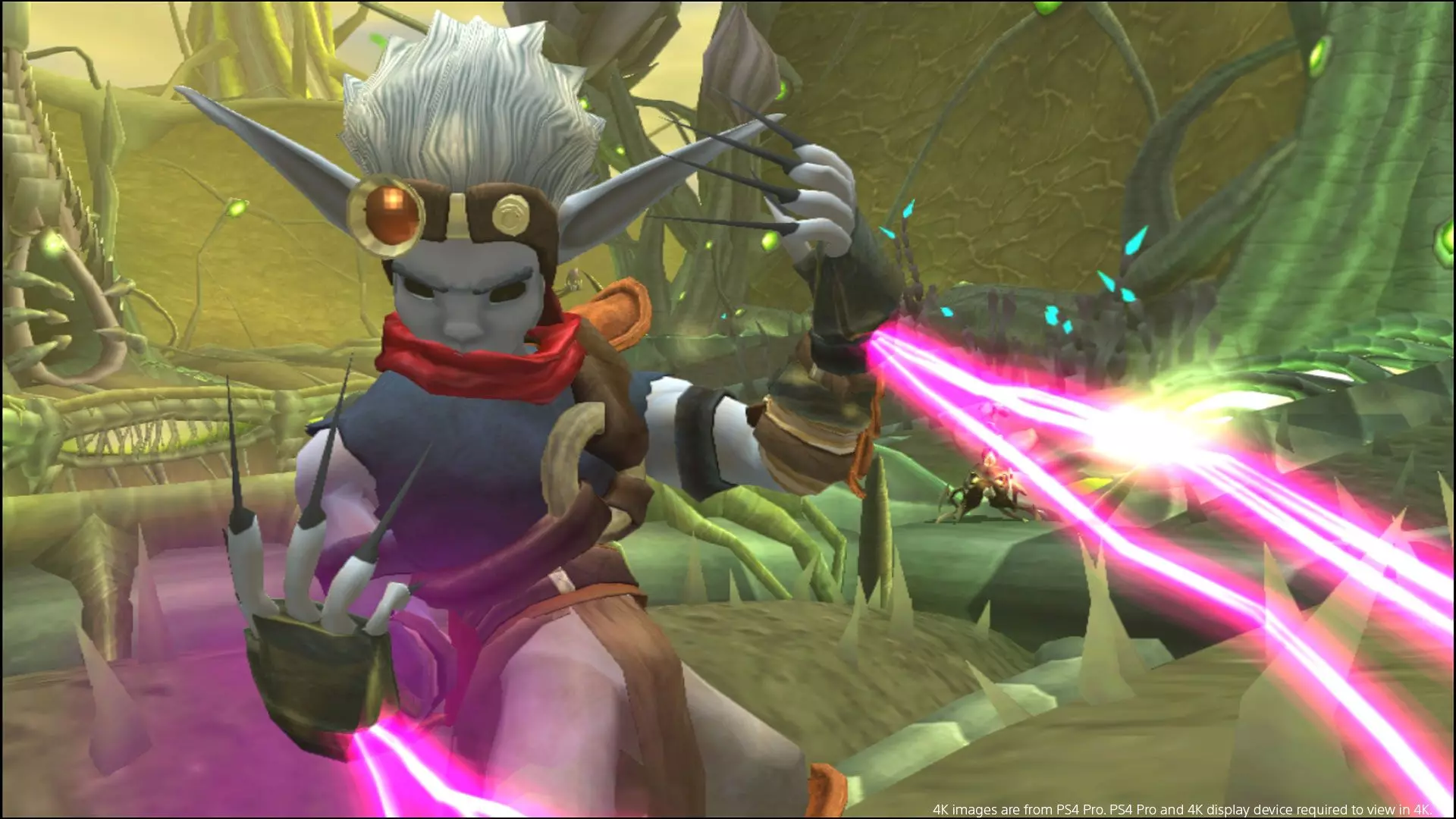
One notable instance of a controversial recast involves Jak, the protagonist of the Naughty Dog series. Initially a silent character, Jak underwent a significant transformation in "Jak 2," becoming a hardened mercenary voiced by Mike Erwin. Erwin's portrayal perfectly captured Jak's newfound edge and youthful aggression, a blend that defined the character for many years. However, in "Jak and Daxter: The Lost Frontier," Josh Keaton took over the role. Despite Keaton's talent for charismatic, younger heroes, his voice lacked the gritty intensity needed for Jak, often sounding too generic and failing to convey the character's darker side. This shift was widely perceived as a misdirection, diluting the character's established persona and contributing to a less engaging experience for long-time fans.
Another significant example is Sam Fisher from the "Splinter Cell" series. Michael Ironside's iconic raspy voice defined Fisher as a grizzled, formidable black-ops agent from 2002 to 2010. His gravelly tone lent credibility to Fisher's stoic demeanor and deadly efficiency. When Eric Johnson replaced Ironside in "Splinter Cell: Blacklist," the intention was to use motion capture more extensively, requiring an actor who physically resembled Fisher. However, Johnson's vocal performance, while competent, lacked the intimidating presence and depth that Ironside had cultivated. Fans felt Fisher had lost some of his veteran gravitas, appearing younger and less menacing, which detracted from the character's established image as a seasoned operative.
Sonic the Hedgehog, despite his silent origins, always exuded a vibrant personality. Ryan Drummond and later Jason Griffith lent their voices to the speedy blue blur, imbuing him with a confident, slightly mischievous swagger that resonated with fans. Their performances captured Sonic's energetic and often cocky attitude. The introduction of Roger Craig Smith in "Sonic Free Riders" marked another shift. While Smith is a highly respected voice actor, the direction for Sonic's voice proved inconsistent. Early attempts to mimic his predecessors fell short, and later iterations saw Sonic's voice deepened to a more mature tone, which many felt was inappropriate for the character's youthful spirit. This inconsistency in vocal portrayal created a disjointed experience for players, failing to solidify a consistent character voice.
Zack Fair, a pivotal character in the "Final Fantasy 7" universe, received his own voice in "Crisis Core: Final Fantasy 7" through Rick Gomez. Gomez delivered a performance filled with earnest enthusiasm, perfectly encapsulating Zack's journey from a rookie SOLDIER to a more mature figure. His ability to convey both youthful exuberance and later, a subtle shift to a deeper register, endeared Zack to a wider audience. However, the "Final Fantasy 7 Remake" trilogy introduced Caleb Pierce as the new voice for Zack. Pierce's portrayal was criticized for its inexperience and amateurish delivery, often sounding uncertain and failing to capture the dramatic weight of Zack's dialogue. This stark contrast left many fans feeling that the character's emotional impact was significantly diminished in the new iterations.
Finally, Kazuma Kiryu from the "Yakuza" series provides another compelling case. In the English dub, Darryl Kurylo initially voiced Kiryu, imbuing him with a low, harsh tone that suited his role as a tough underworld figure, albeit lacking some of the soulful depth of his Japanese counterpart. This established Kiryu as a formidable force. However, in 2023, Yong Yea took over the role. Yea, primarily known as a YouTube influencer, struggled to convey Kiryu's gravitas, often sounding hollow and wooden in his attempts to lower his voice. His performance, particularly during the series' iconic karaoke segments, was widely criticized for its lack of conviction and inability to match the character's established presence, leading to a negative reception among the series' dedicated fanbase.
Ultimately, the decision to recast a character's voice actor in video games carries substantial risks and rewards. While a successful recast can revitalize a character and offer new dimensions, an ill-considered change can disrupt established fan connections and diminish the narrative's overall impact. The examples of Jak, Sam Fisher, Sonic, Zack Fair, and Kazuma Kiryu underscore the critical importance of a voice actor's ability to fully embody a character's essence, ensuring that their performance aligns with the personality and emotional arc that players have come to know and cherish. The nuances of vocal delivery play a profound role in player immersion and emotional engagement, making these casting decisions pivotal to a game's success and its enduring legacy.
About the author
Mark Rosewater
Head designer for "Magic: The Gathering" and author of long-running insights on game design.