Vitamin K: The Underrated Nutrient for Optimal Health and Longevity
ByGloria Vanderbilt
This article sheds light on the often-underestimated Vitamin K, detailing its critical functions in the human body, from maintaining skeletal integrity to supporting cardiovascular health and contributing to overall longevity. It delves into the different types of Vitamin K, how they operate, and the implications of their deficiency, offering practical advice on dietary intake and supplementation for those seeking to enhance their well-being.
Unlocking the Power of Vitamin K: Your Path to a Healthier Future
Discovering the Multifaceted Role of Vitamin K in Bodily Functions
Vitamin K, a fat-soluble nutrient, is gaining increasing recognition beyond its traditional association with blood coagulation. Experts emphasize its profound influence on bone strength, the health of the cardiovascular system, and its potential contribution to extending lifespan. Understanding this vital nutrient's full spectrum of benefits is crucial for anyone committed to a wellness-focused lifestyle.
Exploring the Two Primary Forms of Vitamin K and Their Unique Contributions
The world of Vitamin K is primarily divided into two forms: K1 (phylloquinone) and K2 (menaquinone). K1, predominantly found in green leafy vegetables, is fundamental for the normal clotting process of blood. K2, conversely, is vital for guiding calcium to the appropriate areas, such as bones and teeth, and preventing its harmful accumulation in soft tissues like arteries. It also plays a supportive role in the body's utilization of Vitamin D.
The Growing Recognition and Scientific Interest in Vitamin K's Benefits
Recent scientific inquiries have significantly broadened our understanding of Vitamin K. Beyond its established function in blood clotting, current research highlights its role in activating specific proteins that facilitate calcium integration into bone tissue and inhibit arterial calcification. These findings suggest Vitamin K's potential in mitigating the risks of osteoporosis, fractures, and vascular hardening, sparking considerable interest within the health community.
Recognizing the Subtle Indicators of Insufficient Vitamin K Levels
While often subtle, signs of inadequate Vitamin K intake can include easy bruising, frequent nosebleeds, gum bleeding, prolonged wound healing, and unusually heavy menstrual cycles. In more advanced stages, a persistent deficiency can compromise bone density, leading to an elevated risk of fractures. Individuals with conditions affecting fat absorption or those on certain medications are particularly susceptible.
Optimizing Your Diet: Key Food Sources Rich in Vitamin K
Meeting your daily Vitamin K needs, typically around 1 microgram per kilogram of body weight, is usually achievable through a balanced diet. Excellent sources of Vitamin K1 include a variety of leafy greens like kale, spinach, and broccoli. For Vitamin K2, incorporate fermented foods, specific cheeses, egg yolks, chicken, and liver into your meals. While diet is paramount, supplementation may be a consideration for some.
Navigating the World of Vitamin K Supplementation Responsibly
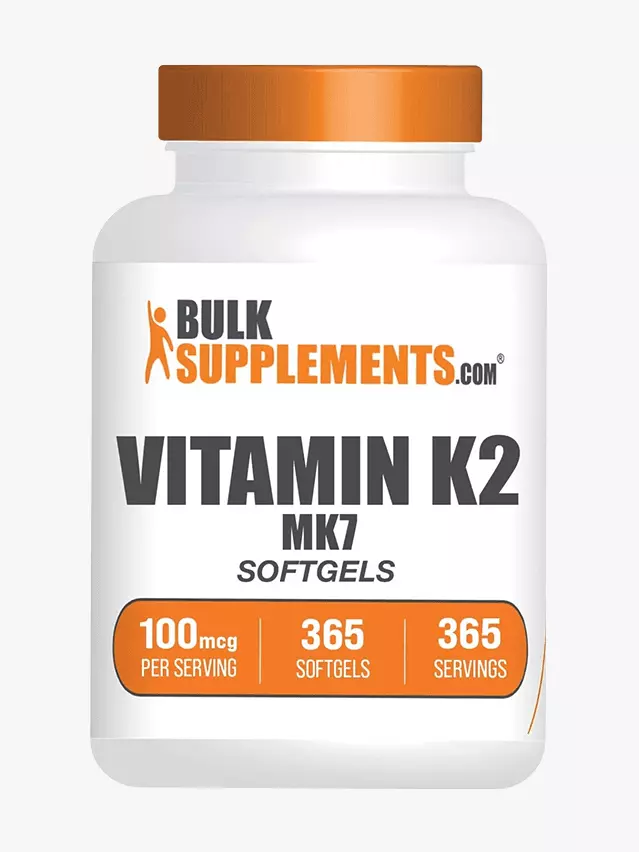
Before considering any Vitamin K supplements, it is always recommended to consult with a healthcare professional to determine if a deficiency exists. Furthermore, it's essential to prioritize a diet that provides a balanced intake of all nutrients, as Vitamin K functions synergistically with others like Vitamin D, calcium, and magnesium. For those who do require supplementation, choosing high-quality, pure products is crucial, and individuals on anticoagulant medications must seek medical advice due to potential interactions.
About the author
Gloria Vanderbilt
Fashion designer, artist, and author, known for jeans and writing about style and her extraordinary life.