Victorian Fashion's Resurgence: From Screen to Runway, a Blend of Past and Present
ByRuth E. Carter
Victorian aesthetics, with their blend of constraint and theatricality, are experiencing a powerful revival across various cultural platforms, from cinematic narratives to high-fashion runways. This enduring fascination highlights a deeper appreciation for historical craftsmanship and a contemporary reinterpretation of past styles.
Embracing the Elegance: The Enduring Allure of Victorian Style
Victorian Influences on Modern Screens and Runways: A Fashion Phenomenon
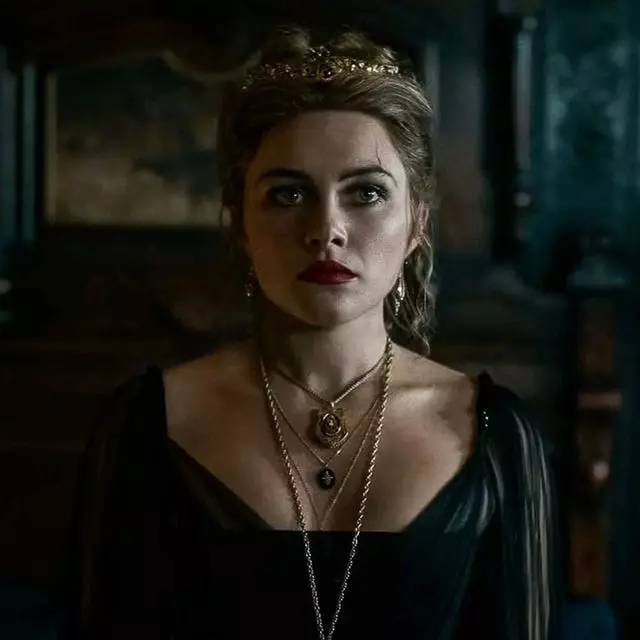
The intricate details of Victorian fashion, such as restrictive corsets, voluminous bustles, and dramatic witchy boots, have recently captivated audiences on screen. Notable examples include Netflix's new adaptations of 'East of Eden' and 'Monster: The Lizzie Borden Story,' alongside the anticipated gothic horror-thriller 'Victorian Psycho,' slated for a November 2026 release. These productions portray women embracing Victorian attire not as symbols of subjugation, but as expressions of defiant strength. Concurrently, major fashion houses like Khaite, Erdem, Meruert Tolegan, McQueen, and Banshee of Savile Row are integrating elements from the Victorian era (1837 to 1901) into their latest collections, signalling a significant alignment between popular culture and high fashion.
The Distinctive Allure of Victorian Handcraft: Beyond Fleeting Trends
In an age dominated by rapid, disposable fashion cycles, the rich, detailed, and meticulously crafted aesthetic of the Victorian era stands out. The period's dramatic silhouettes and narrative-driven jewelry, often signifying mourning or affection, offer a refreshing contrast. This trend extends beyond movies and catwalks, influencing individuals like fashion content creator Christina Grasso, who embodies a modern Victorian sensibility through her ghostly capes and antique-inspired dresses.
A Deep Dive into Victorian Melancholy and Expression: Christina Grasso's Perspective
Christina Grasso articulates her profound connection to the Victorian era, citing the delicate balance between restraint and extravagance, decorum and defiance, romance and the morbid. She notes the era's unique embrace of melancholy as a beautiful sentiment, viewing dressing as an elaborate act of self-expression where even the smallest details carry profound meaning. Grasso identifies with this philosophy, valuing gestures, the eccentric, and sentimental touches that resonate deeply with the wearer, ultimately finding comfort in the intersection of the macabre and the unconventional.
Iconic Victorian Elements in Contemporary Storytelling: A Glimpse into Character Styling
Grasso's admiration for Victorian elements, including intricate chatelaines, mourning jewelry, high collars, delicate lace, robust boots, and elaborate hairwork, mirrors the styling seen in contemporary narratives. For instance, Florence Pugh's portrayal of Cathy Ames in 'East of Eden' features authentic antique gold lockets, veiled hats, Archaeological Revival earrings, guard chains, and chatelaines, meticulously bringing the era's sartorial essence to life.
The Art of Costume Design in 'Victorian Psycho': Crafting Authenticity and Unsettling Beauty
In 'Victorian Psycho,' actress Maika Monroe's character, Winifred Notty, is adorned in high-collared garments, distinctive bonnets, and dignified dresses. Costume designer Allison Byrne undertook extensive research, delving into historical accounts of Victorian "lunatic asylums" and studying the specific color palettes in period paintings. She collaborated with traditional Irish linen mills to achieve the precise textures for the clothing. Byrne emphasizes the critical role of color in her designs, noting how fabrics could appear vibrantly colored from one angle yet dull and textured from another, contributing to the film's chaotic and unsettling atmosphere. She attributes the current fascination with Victorian fashion to its inherent quality, suggesting a societal shift away from transient, fast-fashion trends.
Victorian Fashion Reimagined: Rebellion Woven in Threads of History
Just as Cathy Ames and Lizzie Borden wield axes and firearms, characters like Winifred Notty break free from the constraints of corsets, hoop skirts, and bustles. Today's interpretation of Victorian fashion is a fusion of drama, darkness, and profound dedication, simultaneously embodying a spirit of rebellion meticulously crafted from lace, linen, and gold.
About the author
Ruth E. Carter
Oscar-winning costume designer for films like "Black Panther," authoring works on the intersection of fashion, culture, and history.