The Versatile World of Lentils: A Culinary Deep Dive
ByMadhur Jaffrey
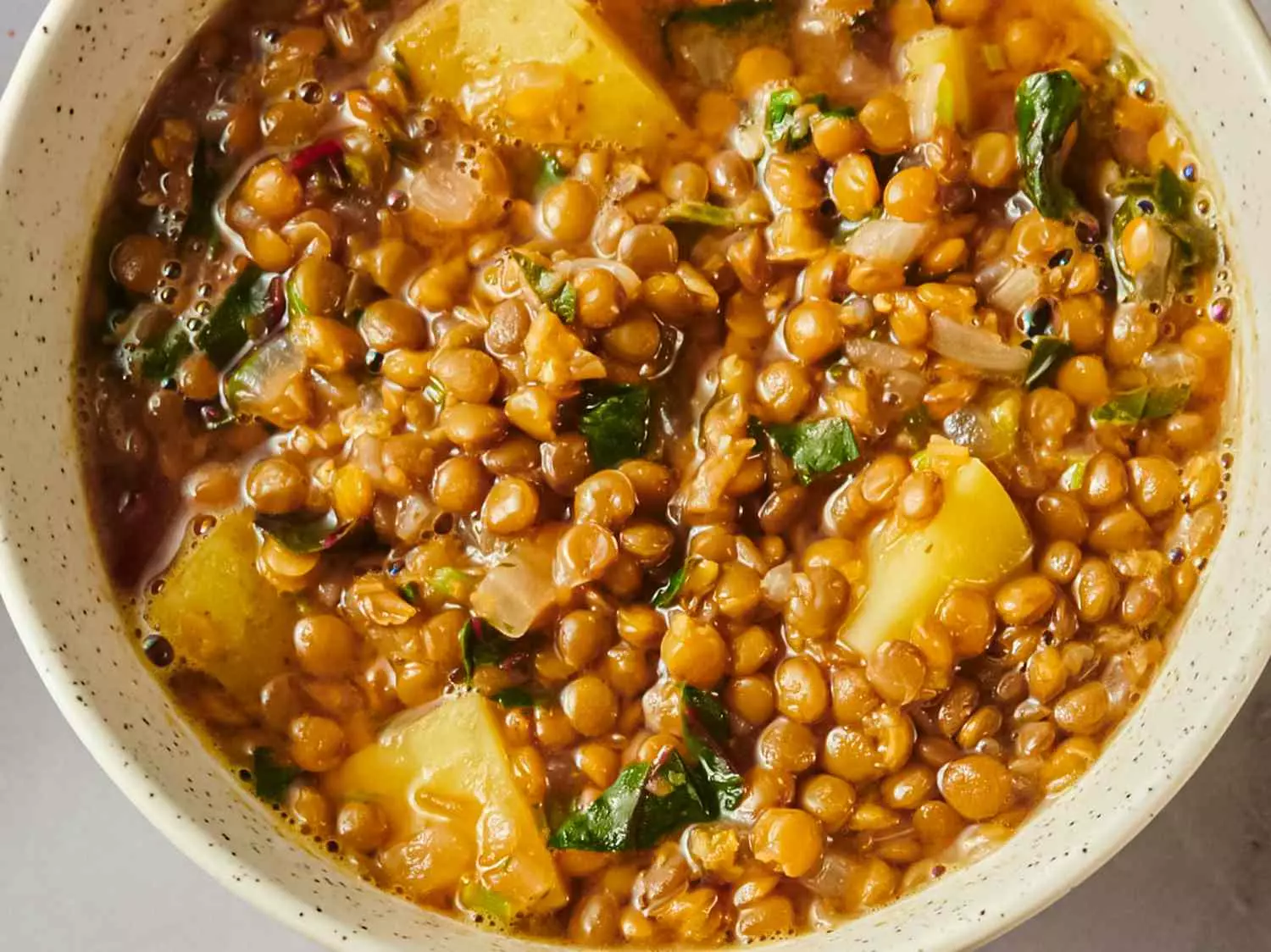
Lentils are truly remarkable legumes, offering a potent combination of nutrition, affordability, and culinary flexibility. These small, disc-shaped pulses have graced tables across the globe for millennia, enriching countless dishes with their unique flavor, texture, and protein content. They are a go-to ingredient for anyone seeking a quick weeknight meal or a more ambitious culinary endeavor.
Unveiling the World of Lentils: Insights from Culinary Experts
Lentils, members of the pulse family (a subgroup of legumes that also includes peas and beans), have been a dietary cornerstone for 8,000 to 10,000 years, with their origins tracing back to Southeast Asia. Their widespread appeal is evident in their prominence across various cuisines, from the rich dals and curries of India to the hearty Egyptian koshari and the elegant French lentil salads.
To gain a comprehensive understanding of these versatile ingredients, we consulted with renowned food editor Joe Yonan of The Washington Post, author of acclaimed cookbooks such as Cool Beans and Mastering the Art of Plant-Based Cooking. Additionally, Maya Kaimal, founder of Maya Kaimal Foods and author of Indian Flavor Every Day, shared her expertise.
The Practicality and Appeal of Lentils
One of lentils' most significant advantages is their practicality. Most varieties do not require presoaking, and their relatively short cooking times make them a convenient alternative to other legumes like chickpeas. Beyond their ease of preparation, lentils are an economical and healthful choice, brimming with protein, fiber, vitamins, and essential minerals.
Their culinary applications extend beyond traditional dishes. Yonan highlights an innovative use from Mollie Katzen's cookbook The Heart of the Plate: frying lentils until crispy to create a delightful topping for grain bowls and salads. Kaimal emphasizes their adaptability, noting how beautifully they integrate into both classic recipes and creative reinterpretations, such as her breakfast of dal-topped toast with yogurt and chili crisp.
Exploring Diverse Lentil Varieties
The world of lentils offers a spectrum of flavors and textures:
Brown Lentils: These are the most common in the United States, celebrated for their earthy, mild flavor that readily absorbs any seasoning. When cooked, they become tender while retaining their shape, making them perfect for soups, stews, and vegetarian burgers. In Mediterranean cuisine, they are often featured in salads with fresh herbs and citrus dressings.
Green Lentils: Slightly larger than brown lentils, these range in color from pale to mottled green. Their firmer texture makes them ideal for salads and dishes where distinct, intact lentils are desired. French green lentils, or Puy lentils, are particularly prized for their small, rounded shape and exceptional firmness, making them a superb addition to roasted vegetable salads with goat cheese and mustardy vinaigrette.
Red Lentils and Masoor Dal: Typically sold as split, hulled lentils, these cook rapidly—usually within 10 to 15 minutes—yielding a smooth, creamy consistency. Their vibrant orange or salmon hue makes them perfect for soups, stews, and creamy dishes. Whole red lentils, often found in Indian grocery stores, retain their shape better and require a longer cooking time, making them suitable for salads or veggie burgers. Kaimal notes their essential role in South Asian cooking, where they are simmered with aromatic spices for comforting dals.
Yellow Lentils: This category encompasses moong dal (hulled and split mung beans) and toor dal (yellow pigeon peas), which are used similarly to lentils. Moong dal offers a mild, sweet flavor, ideal for dals, soups, and snacks like pakoras. Toor dal, slightly larger and nutty, is also a staple in dals and stews. Yellow split peas are another legume often grouped with yellow lentils due to their similar color and culinary uses. These yellow varieties consistently contribute a smooth, warming quality to dishes.
Black Lentils: Small and round, black lentils are known for their rich, nutty flavor and firm texture. Often referred to as “beluga lentils” due to their resemblance to beluga caviar, they maintain their shape well during cooking, making them excellent for grain bowls, roasted vegetable salads, and simple side dishes. Yonan creatively uses them to make crackers and even serves marinated black lentils on blinis for a playful caviar-like experience.
Chana Dal: While not a true lentil, chana dal (split chickpeas with the outer skin removed) is frequently grouped with lentils. It boasts a firm texture and a slightly nutty, earthy flavor, making it perfect for hearty dals, soups, and fried snacks. Kaimal emphasizes its importance in Indian kitchens for adding substance and bite to meals.
Selecting, Storing, and Preparing Lentils
When purchasing lentils, opt for those with even coloration, free from cracks or discoloration. Yonan advises caution with bulk bins, recommending stores with high turnover to ensure freshness. Lentils should be stored in an airtight container in a cool, dry place away from sunlight, ideally used within six months for optimal flavor. Older lentils may require longer cooking times, so focus on achieving a tender texture rather than strictly adhering to recipe times.
Although most lentils do not require soaking, it is good practice to sort through them to remove any debris and then rinse them under running water. As Daniel notes in his French lentils recipe, achieving the perfect texture is key—a delicate balance between underdone and mushy. He suggests simmering gently to preserve their shape and even cooling them with ice to prevent overcooking. Generously salting the cooking water from the outset ensures well-seasoned lentils, and adding aromatics and herbs infuses them with rich flavor. By following these simple guidelines, lentils can effortlessly become a celebrated centerpiece in your culinary repertoire.
Lentils: A Culinary Cornerstone for Health and Flavor
Lentils represent a remarkable intersection of culinary tradition, nutritional power, and environmental sustainability. From the ancient kitchens of Southeast Asia to modern tables worldwide, these humble legumes have consistently proven their worth as a versatile, affordable, and delicious food source. As food consciousness shifts towards healthier and more sustainable options, lentils are poised to play an even more significant role in our diets.
The insights from experts like Joe Yonan and Maya Kaimal underscore the incredible adaptability of lentils. They are not merely a vegetarian substitute but a star ingredient in their own right, capable of transforming simple meals into extraordinary culinary experiences. Whether enjoyed in a comforting dal, a vibrant salad, or a crunchy topping, lentils offer a world of flavor and texture that can inspire both seasoned chefs and home cooks alike.
The journey through the different types of lentils—brown, green, red, yellow, black, and chana dal—reveals a rich tapestry of possibilities. Each variety brings its unique characteristics, making them suitable for a wide array of dishes and cooking techniques. From their ability to blend seamlessly into creamy preparations to holding their shape in robust salads, lentils demonstrate an impressive range. Furthermore, the practical advice on shopping, storing, and cooking ensures that anyone can confidently incorporate these nutritional powerhouses into their daily routine.
As a culinary enthusiast, this exploration of lentils has been particularly inspiring. It reinforces the idea that some of the most profound and satisfying gastronomic experiences often come from the simplest, most fundamental ingredients. The sheer variety and inherent goodness of lentils remind us that healthy eating can also be incredibly flavorful and creative. It encourages us to look beyond conventional protein sources and embrace the rich legacy and future potential of plant-based cooking. Lentils are more than just food; they are a testament to the enduring power of simple, wholesome ingredients to nourish both body and soul.
About the author
Madhur Jaffrey
Actress and author who introduced Indian cuisine to Western audiences with accessible recipes.