The Unsung Innovation: Why Last Flag, the Imagine Dragons-backed Shooter, Deserved More Recognition
BySid Meier
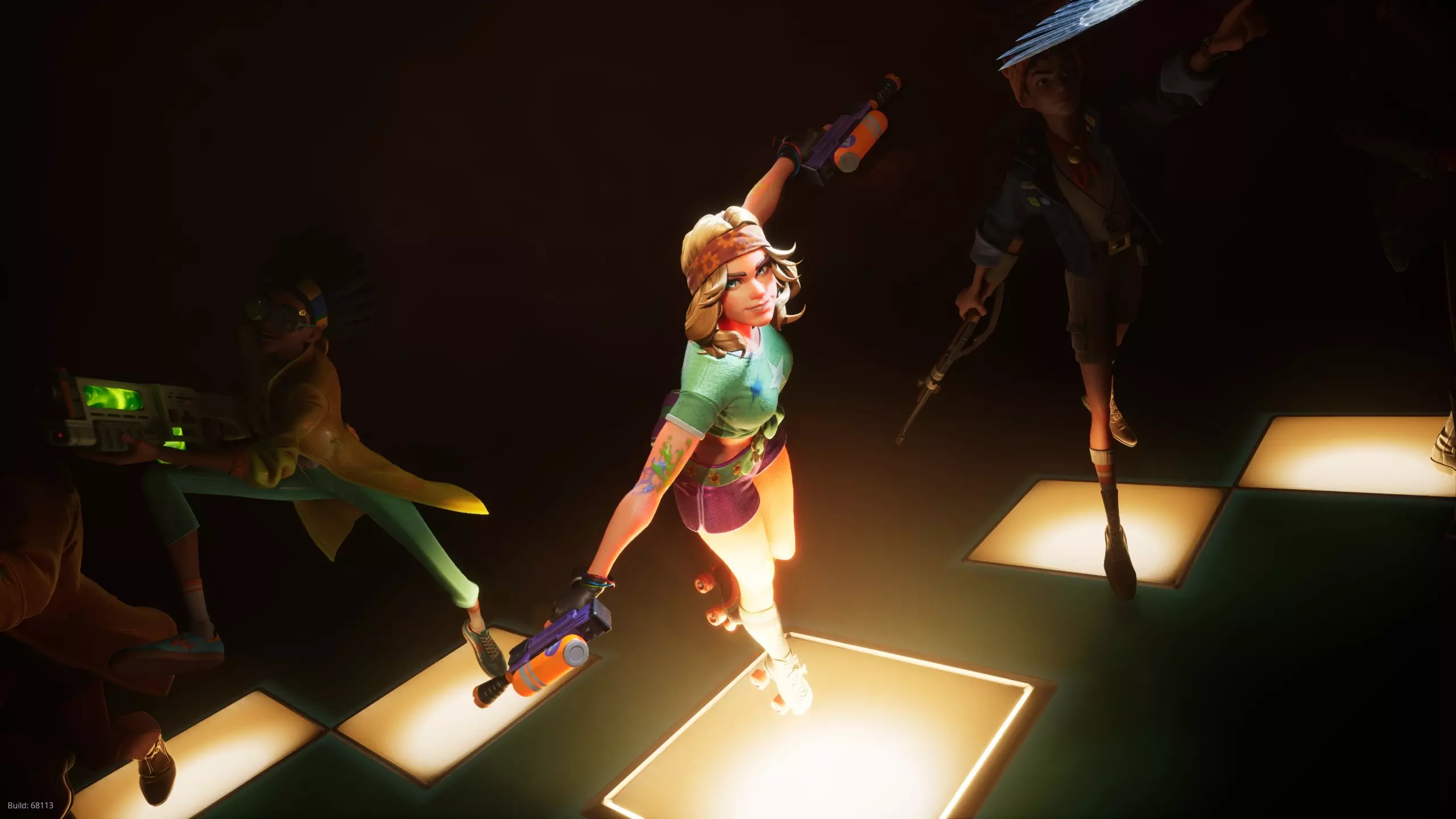
The competitive multiplayer shooter landscape has proved particularly harsh recently, witnessing numerous titles falter. One such casualty is "Last Flag," a distinctive capture-the-flag game crafted by Night Street Games, a studio notably co-founded by Dan Reynolds, the frontman of Imagine Dragons, and his brother Mac Reynolds. Despite its April debut, the game struggled to gain traction in a crowded market, resulting in significant layoffs and a cessation of active development within two months. This situation led the developers to hand over the game's future to its community, enabling custom lobbies and reducing its price. Despite its commercial missteps, a closer look reveals "Last Flag" to be a surprisingly engaging and inventive experience, seamlessly blending elements of traditional capture-the-flag with hide-and-seek, hero shooter dynamics, and strategic control point mechanics. Its unique approach to gameplay offered a refreshing departure from conventional shooters, suggesting that its innovative core deserved a more positive reception than it initially received. This piece delves into the ingenious design that made the game stand out, lamenting its premature struggle in a demanding industry.
A round in this distinctive title commences with a sixty-second concealment phase. During this crucial period, one participant from each team is tasked with strategically stashing their team's flag within their designated map sector. The game's environments are intricately designed, resembling a porous structure with numerous openings, recesses, and subterranean pathways, all ideal for secreting a flag. Once both flags are hidden, the primary contest begins, with each team endeavoring to locate and seize the opponent's flag. What sets this apart from typical capture-the-flag modes is the initial uncertainty regarding the enemy flag's precise whereabouts.
To assist in locating the hidden objectives, players can utilize strategically placed control points. Three such points are available for capture by each team. Securing a control point offers several advantages: it serves as a respawn point, facilitating quicker re-engagement in combat; it generates a healing aura, aiding player recovery; and most crucially, it progressively narrows the search area for the enemy flag. The game's mini-map displays the territory in a grid format, and as a team gains control points, sections of the map where the flag is confirmed *not* to be are highlighted, effectively reducing the potential hiding spots. This innovative mechanism transforms the traditional, often directionless, search into a structured and escalating strategic challenge.
The dynamic interplay between capturing control points and seeking the flag introduces a compelling tactical layer. Teams must constantly weigh their options: should they prioritize seizing control points to accelerate the flag's discovery, or should they focus on covertly exploring enemy territory to uncover the flag before the grid elimination process yields results? This constant tension ensures that every match remains engaging, with the likelihood of flag discovery increasing with each passing minute. Even after a flag is found, the objective shifts to capturing and holding it for a predetermined duration, leading to intense defensive standoffs as teams protect their prize from desperate counter-assaults.
Beyond its core mechanics, the game incorporates additional engaging features. Each character boasts a unique set of abilities, which can be upgraded mid-match by accumulating in-game currency. This currency is earned by eliminating "cashbots," providing players with an alternative objective during the flag-hiding phase and maintaining engagement throughout the match. However, the game's shooting mechanics have been noted as somewhat lacking. Bullet impacts can feel imprecise, and the cartoonish visual style might inadvertently diminish the perceived impact of combat, a critique that suggests a missed opportunity for a more visceral gameplay experience, perhaps by leaning into a style more akin to classic arena shooters rather than contemporary hero-based titles.
Ultimately, this title, despite its commercial struggles and a few minor gameplay imperfections, represents a commendable effort by Night Street Games to innovate within the multiplayer shooter genre. Far from being a mere commercial gimmick tied to celebrity endorsement, it is a thoughtfully designed game attempting to forge a fresh path in competitive gaming. While it did not achieve widespread success, its inventive blend of distinct gameplay modes and strategic depth makes it a noteworthy experience for enthusiasts of the genre. The game’s design philosophy, even in the face of market indifference, validates its creators' ambition to deliver something genuinely different.
About the author
Sid Meier
Pioneering game designer known for the "Civilization" series and his philosophy on game design.