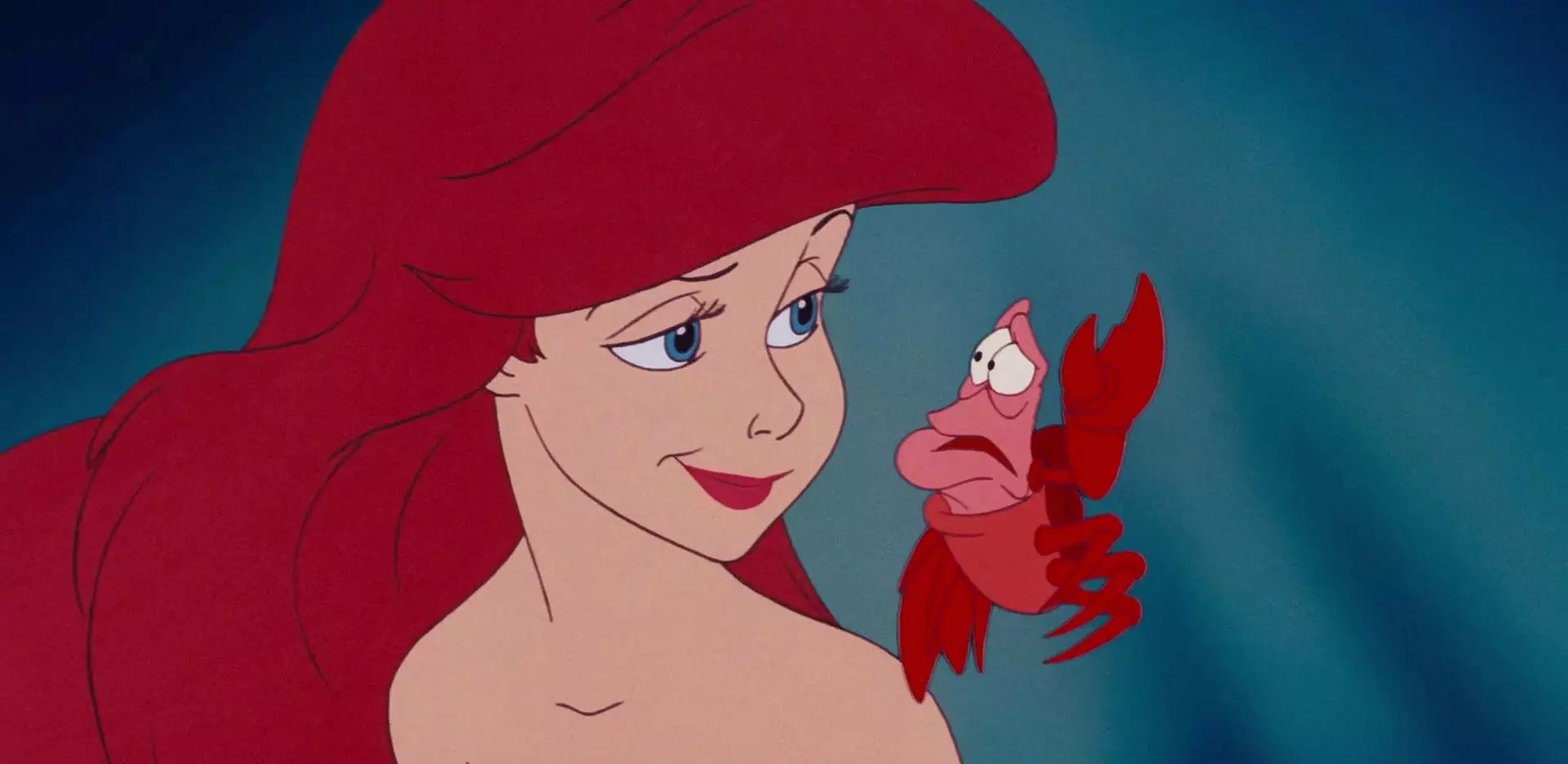
The Unseen Depths: Sofia Coppola's Vision for 'The Little Mermaid'
ByMark Rosewater
In the cinematic landscape of 2014, a fascinating possibility emerged: Sofia Coppola's distinctively melancholic and visually poetic interpretation of Hans Christian Andersen's original "The Little Mermaid." This project, poised to delve into the darker, more profound elements of the classic narrative rather than the popularized Disney rendition, captured the imagination of many. Coppola's signature style, characterized by a dreamy aesthetic, pastel hues, and introspective characters, hinted at a film that would explore themes of longing, sacrifice, and identity with a poignant realism, even within a fantastical setting.
The Unfolding Saga of a Lost Cinematic Gem
The journey of Sofia Coppola's unmade "Little Mermaid" project began to surface around 2014. Initially, the concept envisioned a stark departure from the familiar animated classic, aligning instead with Andersen's somber fairy tale where the mermaid's unrequited love leads to her transformation into sea foam. This creative direction was a key attraction for Coppola, known for her unique storytelling. The project saw various screenwriters attached, including Caroline Thompson, signaling a narrative that would weave together elements of profound emotional depth and perhaps even a touch of the macabre.
Before Coppola took the helm, director Joe Wright was also considered, reflecting the studio's initial interest in a children's film with an artistic edge. However, it was Coppola's involvement that truly sparked public intrigue. She reportedly envisioned Maya Hawke in the lead role, an unconventional choice that aligned with Coppola's penchant for casting fresh, expressive talent. Nevertheless, studio executives, wary of placing a large-budget production on an unproven star, hesitated. These creative and casting disagreements ultimately led to Coppola's departure from the project in June 2015, citing irreconcilable differences in artistic vision. Subsequently, Chloë Grace Moretz was cast, and Rebecca Thomas was slated to direct, but this iteration also failed to advance beyond early stages, eventually fading into obscurity.
Coppola later reflected on the project, expressing her desire to film the underwater scenes authentically, a vision that posed significant logistical and budgetary challenges. She recalled a particularly revealing boardroom discussion where a development executive questioned how the film would attract a 35-year-old male audience, a query that highlighted the commercial pressures that often clash with artistic integrity in large-scale productions. This experience underscored her discomfort with the business-driven aspects of big-budget filmmaking, confirming that such environments were not conducive to her creative process. Despite the project's unrealized potential, it remains a captivating 'what if' in modern cinema, leaving fans to ponder the profound and beautiful film that might have been, a hauntingly artistic take on a timeless, tragic love story.
Reflecting on Unfulfilled Artistic Potential
The story of Sofia Coppola's aborted "Little Mermaid" project serves as a compelling reminder of the delicate balance between artistic vision and commercial viability in the film industry. It highlights how creative ambitions, especially those that lean towards the unconventional or melancholic, can struggle to find a foothold within a system often prioritizing mass appeal and predictable returns. Coppola's initial inclination to faithfully adapt Andersen's darker narrative speaks volumes about her commitment to exploring complex human emotions and experiences, even when wrapped in a fantastical guise. This episode encourages us to consider the richness that can be lost when unique artistic perspectives are stifled by market demands, leaving us to imagine the profound and visually stunning films that might have graced our screens had creative freedom been given precedence.
About the author
Mark Rosewater
Head designer for "Magic: The Gathering" and author of long-running insights on game design.