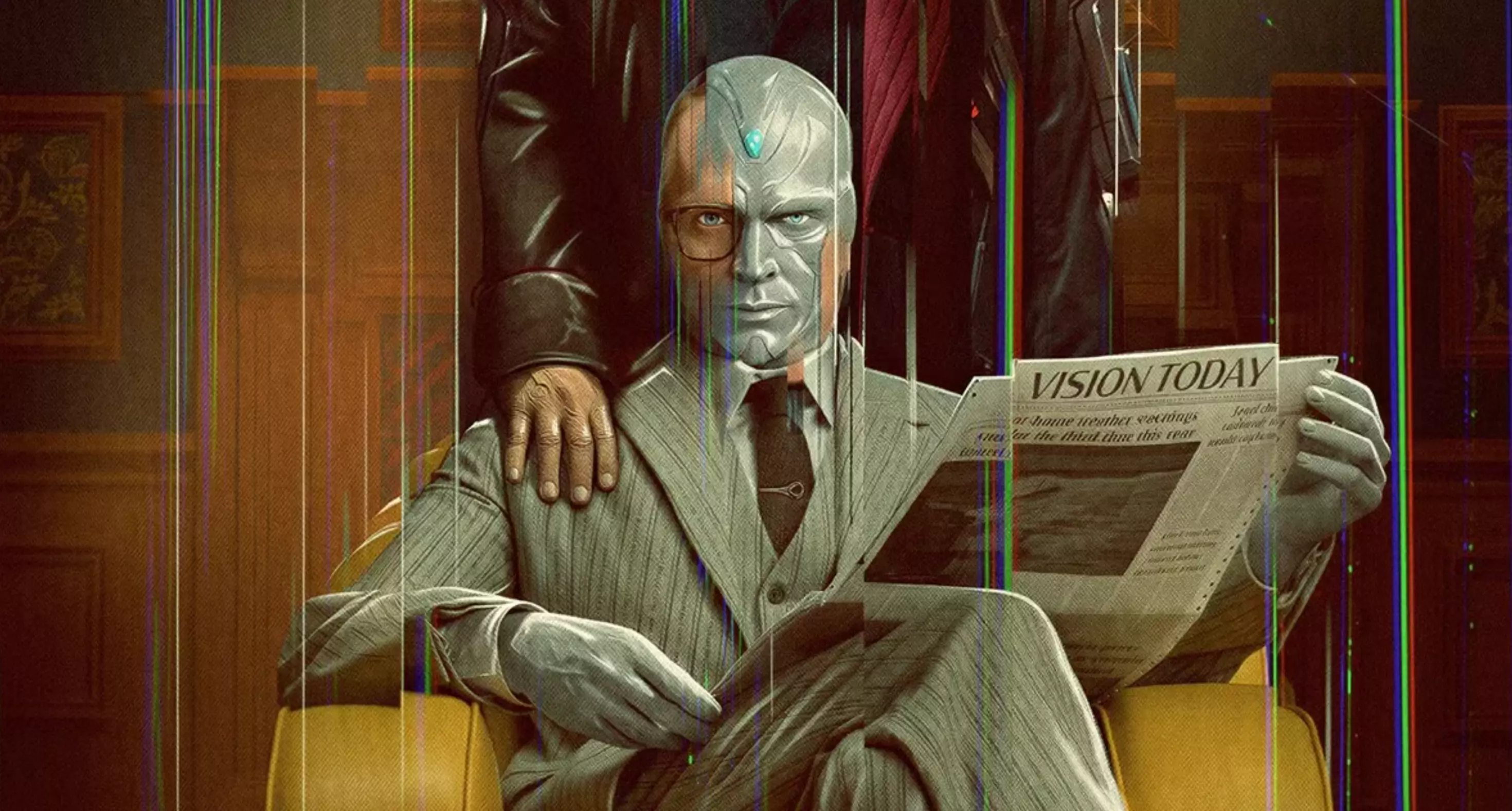
Unpacking the VisionQuest Series: An Interview with Showrunner Terry Matalas
ByShigeru Miyamoto
Terry Matalas, the creative force behind the eagerly anticipated series VisionQuest, recently offered insights into the show's intricate plot and character arcs. He shed light on Vision's profound quest for identity, the surprising re-emergence of Ultron in human form, and the artistic liberties taken during the series' development. Matalas also clarified the show's narrative ties to prior Marvel productions and its nuanced contemplation of artificial intelligence, assuring audiences a captivating mix of dramatic storytelling, adventurous escapades, and comedic elements.
Vision's Odyssey: An In-Depth Look at VisionQuest with Showrunner Terry Matalas
In a revealing conversation held recently, Terry Matalas, the visionary showrunner of the upcoming VisionQuest series, delved into the profound journey awaiting the Marvel Cinematic Universe's iconic synthezoid, Vision. The series, set to premiere on October 14th on Disney Plus, promises to explore the character's lingering existential questions following the events of WandaVision.
Matalas confirmed that VisionQuest picks up several years after Wanda Maximoff's resurrection of Vision, placing it concurrently with Spider-Man: Brand New Day. The narrative finds Vision in Scotland, where he previously shared a tranquil existence with Wanda. By day, he assumes the guise of a pub worker, while by night, he retreats into his intricate digital consciousness, where his formidable adversary, Ultron, has been confined for years.
One of the most intriguing revelations from Matalas concerned Ultron's unexpected return. Instead of solely appearing in his familiar robotic form, Ultron will manifest as a human, portrayed by James Spader. Matalas clarified that this creative choice was not driven by budget constraints, but by a desire to leverage Spader's unparalleled acting prowess and the dynamic interplay between Spader and Paul Bettany, who embodies Vision. He emphasized that the series draws inspiration from their compelling final encounter in Avengers: Age of Ultron, promising ample robot action alongside the human portrayal.
Paul Bettany, who has portrayed Vision for over a decade, played an integral role in shaping the character's trajectory in VisionQuest. Matalas lauded Bettany as an exceptional collaborator, highlighting their shared vision for the character's development. Bettany's unique perspective, gleaned from years of audience interaction, provided invaluable insights into what Vision represents to various communities. Matalas noted that this iteration of Vision will be less connected to humanity than his previous form, marking a significant evolution.
Regarding the distinction between White Vision and the original Vision, Matalas remained enigmatic, encouraging viewers to watch the series to unravel this mystery. He cited two pivotal Marvel moments as core inspirations for the series: Vision's concluding scene in Age of Ultron and the philosophical Ship of Theseus discussion in WandaVision.
Addressing concerns about audience prerequisites, Matalas stated that while WandaVision is strongly recommended as a direct sequel, the series is designed to catch viewers up effortlessly. Elements from Agatha All Along will be referenced, but a comprehensive understanding is not strictly necessary. He did, however, suggest that familiarity with Ultron and Vision's origins from Avengers: Age of Ultron would enhance the viewing experience.
Drawing parallels with the Star Trek universe, where Matalas has also contributed, he compared Vision's journey to that of Data, another sentient android grappling with humanity. However, Matalas emphasized that the new Vision is an 'anti-Data,' questioning the very notion of striving for human qualities. The series will subtly explore contemporary anxieties surrounding artificial intelligence, portraying AI as a reflection of its creators and underscoring the responsibility of guiding its development ethically.
Matalas praised the substantial creative freedom afforded by Marvel Studios, with consistent support from Kevin Feige and Brad Winderbaum. Feige, in particular, embraced the audacious premise from the outset, entrusting Matalas with the creative reins to explore the complex world of Stark AIs and Vision's burgeoning relationship with his son, Tommy. The series promises a diverse genre experience, blending drama, adventure, and mystery with surreal and comedic undertones, ensuring it carves out a distinctive niche within the MCU.
The positive reception of the trailer, which unveiled significant plot details, has bolstered Matalas's confidence that audiences will be equally captivated by the full series, promising an unforgettable exploration of Vision's evolving identity.
The return of Vision to the Marvel landscape, particularly with a story that delves into his existential struggles and the complex nature of artificial intelligence, offers a timely and thought-provoking narrative. In a world increasingly intertwined with AI, the series' exploration of an AI's quest for identity and its creator's responsibility resonates deeply. The decision to portray Ultron in human form alongside his robotic counterpart is a bold creative choice that could elevate the emotional depth of their interactions, moving beyond purely CGI spectacle. This approach, prioritizing character-driven performances, has the potential to offer a more nuanced and engaging commentary on the relationship between humanity and technology. As a viewer, I am particularly intrigued by how the show will balance its dramatic and philosophical themes with the inherent adventure and humor, making it a compelling watch for both long-time Marvel fans and those interested in the broader implications of AI.
About the author
Shigeru Miyamoto
Legendary game designer at Nintendo, creator of Mario, Zelda, and Donkey Kong.