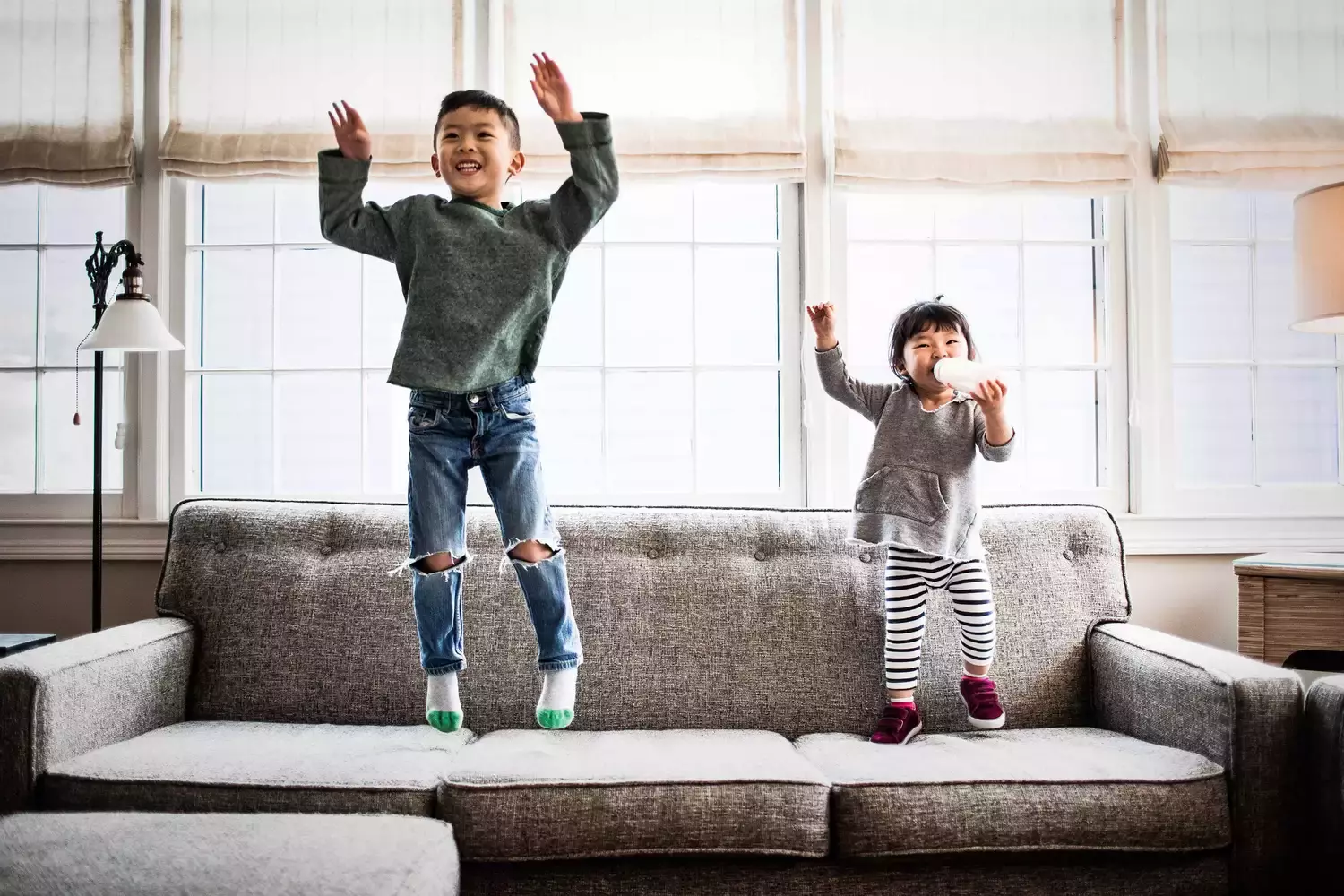
This comprehensive guide delves into the world of high-energy children, offering insights into their vibrant nature and providing parents with effective strategies to navigate the challenges and joys of raising them. High-energy kids are often misunderstood, labeled as 'difficult' or 'unruly,' yet their constant activity and curiosity are fundamental to their healthy growth and learning. Understanding the roots of their ceaseless energy and implementing thoughtful parenting approaches can transform potential struggles into opportunities for positive development and stronger family bonds.
Nurturing the Dynamic Spirit: Guiding High-Energy Children
Many children exhibit an abundance of energy, a characteristic that often stems from their innate curiosity and continuous engagement with the world around them. This isn't a flaw but rather a powerful drive for exploration and learning, as noted by developmental experts like Kyle D. Pruett, M.D., a clinical professor of child psychiatry at the Yale School of Medicine. For toddlers, every sensation—be it a sight, sound, or touch—is an invitation to interact, resulting in what may seem like limitless energy. This drive to explore means they immerse themselves fully in activities they enjoy, often without the self-control to disengage, a point emphasized by Susan J. Schwartz from the New York University Child Study Center. While parents manage their daily stresses, children channel their energy into discovering new facets of their environment.
Sometimes, what appears as high energy is simply a reflection of a developing attention span, leading children to rapidly shift between activities. This is particularly noticeable in younger children but can also be a trait in those with autism spectrum disorder, developmental delays, or ADHD. Furthermore, each child's unique personality, environmental influences, and genetic predispositions play a significant role in their activity levels, with some families naturally fostering a more active lifestyle.
Managing an energetic child effectively involves integrating specific strategies into their daily routine. Establishing clear, consistent boundaries is paramount; parents should calmly communicate expectations in advance, distinguishing between settings that require focus, like school, and those that encourage free expression, like playtime. Offering unstructured play allows children to pursue activities that genuinely captivate them, channeling their energy constructively rather than letting it accumulate into frustration. Encouraging ample physical activity, from outdoor adventures to indoor movement, provides an essential outlet for excess energy and supports overall well-being. Finally, adjusting parental expectations to align with the child's developmental stage and individual needs can significantly reduce stress and enhance the parenting experience. Recognizing triggers for increased excitement and preparing accordingly can further smooth interactions.
When considering whether a toddler's hyperactivity is a cause for concern, several factors should be examined. Stress and emotional issues can manifest as heightened activity, serving as a coping mechanism for some children. Insufficient sleep or exercise can also contribute to hyperactivity; an overtired child might experience bursts of energy followed by meltdowns, while a child lacking physical outlets may exhibit relentless energy when an opportunity arises. If a child’s sustained high energy is accompanied by consistent inattention or impulsive behaviors, consulting a healthcare provider for a potential ADHD evaluation might be beneficial.
For high-energy children, selecting appropriate toys is crucial for providing outlets for their vigor. Toys that promote movement, such as rocking horses, crawl tunnels, or trampolines, encourage physical exertion and stress release. Additionally, fidget toys can be invaluable for capturing attention and offering diverse sensory experiences, effectively channeling their dynamic nature into focused engagement.
The journey of parenting a high-energy child is a path filled with unique learning experiences and immense rewards. By embracing their inherent drive and curiosity, understanding their developmental needs, and implementing thoughtful strategies, parents can foster environments where these vibrant individuals thrive, transforming potential challenges into strengths. It’s a testament to the power of patience, understanding, and tailored support in nurturing the next generation.
About the author
Adele Faber
Co-author of "How to Talk So Kids Will Listen & Listen So Kids Will Talk," a cornerstone of respectful parenting.