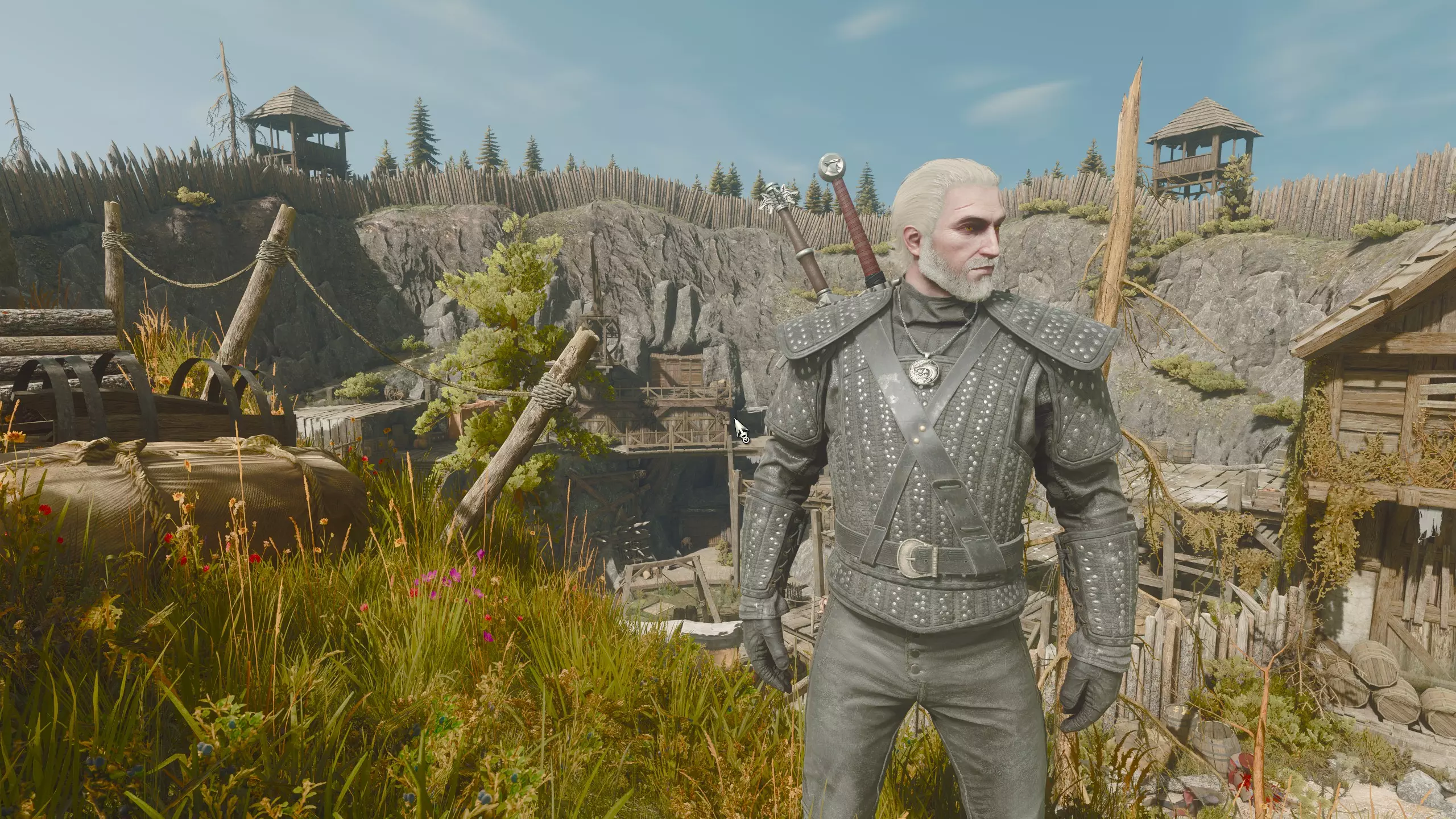
The Ultimate Witcher School Armor Tier List for Fashion and Function in The Witcher 3
BySid Meier
Explore the diverse and iconic Witcher School armor sets in The Witcher 3: Wild Hunt, now with enhanced customization options thanks to the remastered edition's transmog feature. This guide helps players choose the perfect balance of style and stats for Geralt's adventures.
Unveiling the Best Witcher School Armors: Style Meets Substance
Embracing Aesthetic Flexibility with Transmogrification
The recent update to The Witcher 3 Remastered introduces a highly anticipated transmogrification system for both armor and weaponry. This exciting feature allows players to separate cosmetic appearances from combat statistics, meaning Geralt can now sport his most favored look without sacrificing optimal defensive or offensive capabilities. This innovation prompts a crucial question for all Witchers: among the many available sets, which one truly stands out as the ultimate choice for both visual appeal and practical use?
Overview of Core Witcher School Gear
The base game provides four distinct Witcher School armor sets, each catering to different playstyles and offering unique visual characteristics. The Griffin gear, a medium armor set, is ideal for those who favor magical signs in combat. For players who prefer a more agile and damage-focused approach, the Feline gear, a light armor set, is the go-to option. Conversely, the Ursine gear offers a heavy armor solution, maximizing Geralt's defense and resilience. Finally, the Wolven gear presents a versatile medium armor option, serving as a balanced choice for various combat scenarios.
Expanding the Arsenal: DLC Armor Sets
Beyond the primary four, The Witcher 3 universe further enriches Geralt's wardrobe with additional sets. The Forgotten Wolven set, famously inspired by Henry Cavill's portrayal of Geralt in the TV series, adds a familiar and popular aesthetic. The Hearts of Stone expansion introduces the enigmatic Viper School gear, while the Blood and Wine DLC provides the formidable Manticore School gear, each with its own set of distinct advantages and appearances.
Personal Preferences in Witcher Gear
When it comes to personal preference, the heavy and protective Bear School armor often takes the top spot for its exceptional balance of defensive stats and imposing look. However, the sleek and stealthy Grandmaster Feline set, with its unique hooded design, also holds a special place in many players' hearts, despite some playful critiques regarding its fashion sense. The choice ultimately reflects a player's individual combat style and aesthetic desires.
About the author
Sid Meier
Pioneering game designer known for the "Civilization" series and his philosophy on game design.