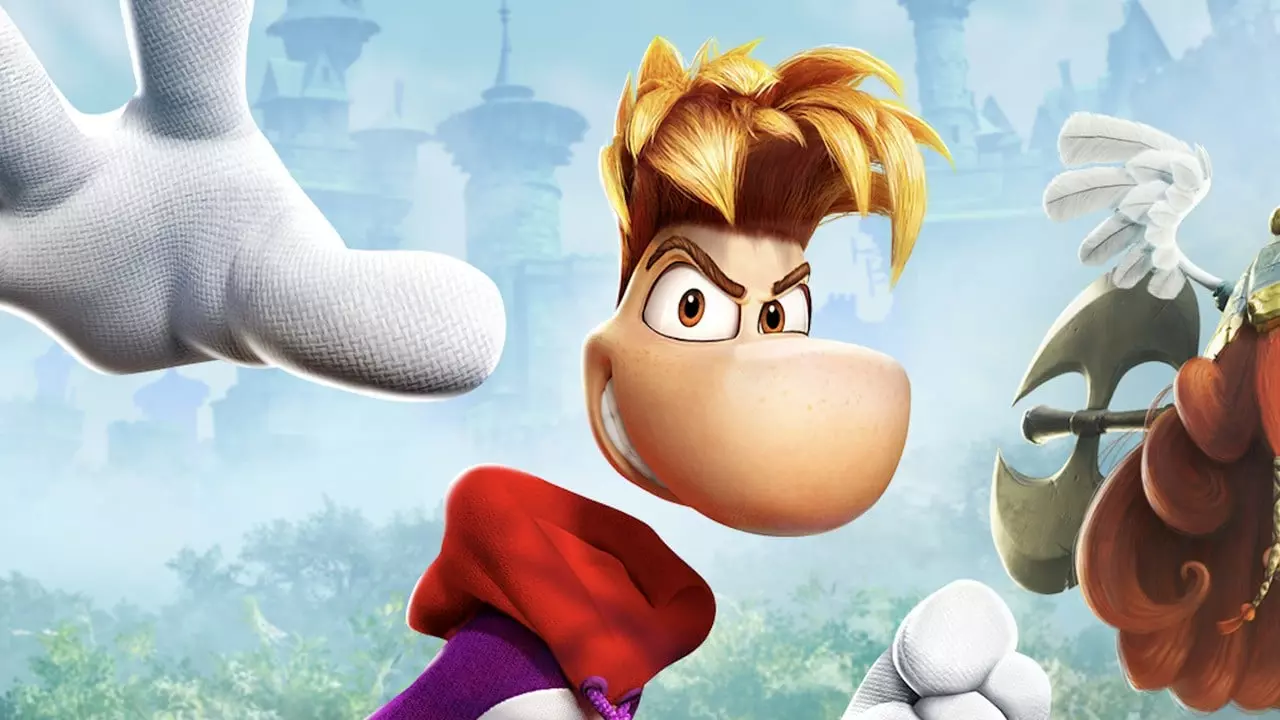
Ubisoft's Vision to Transform Rayman into a Global Transmedia Icon
ByReiner Knizia
Ubisoft is preparing for a significant push with its iconic character, Rayman, by releasing "Rayman Legends Retold," an updated rendition of the original 2013 game, which is seen as a pivotal move for the franchise's broader future. Despite questions surrounding the necessity of remaking a well-regarded title, the developers view this project as the foundation for a much larger expansion. Loc Gounon, a brand producer, conveyed an ambitious aspiration to amplify Rayman's global presence, aiming for a visibility level comparable to other renowned gaming figures like Sonic. This initiative involves extending the brand's reach beyond traditional video games into diverse entertainment platforms such as television shows and comic books, with a particular focus on gaining traction in the North American and Asian markets, where previous titles had limited success compared to Europe.
The strategy for this global expansion emphasizes deepening the character's narrative and universe, rather than merely creating new three-dimensional gaming experiences. Gounon articulated a belief in the power of world-building and character consistency, stating that immersing audiences in the rich lore and fostering empathy for the characters will be key to the franchise's long-term endurance and growth. The objective is to establish Rayman as an essential platforming adventure franchise across various global territories and to cultivate its presence through diverse storytelling avenues. This approach suggests a commitment to evolving the brand's identity by focusing on its inherent charm and narrative depth.
As "Rayman Legends Retold" approaches its December 3, 2026 launch, Ubisoft is also navigating public and internal discussions regarding its corporate practices, particularly its increasing integration of generative artificial intelligence. A recent report indicated that employees are now expected to provide justifications if they opt not to use AI in their project proposals. This context adds another layer to Ubisoft's strategic decisions, highlighting a blend of creative franchise revitalization with modern technological adoption, which collectively shapes the company's path forward in the competitive entertainment landscape.
The gaming industry constantly evolves, and efforts like Ubisoft's to reimagine and expand beloved franchises through transmedia storytelling represent a forward-thinking approach. By nurturing rich characters and compelling narratives across multiple platforms, companies can forge deeper connections with audiences, ensuring that enduring legacies continue to inspire and entertain new generations. This commitment to creative expansion and thoughtful brand development fosters a vibrant ecosystem where innovation and cherished classics can coexist, ultimately enriching the cultural tapestry of digital entertainment.
About the author
Reiner Knizia
Prolific and award-winning board game designer with a PhD in mathematics, known for elegant game mechanics.