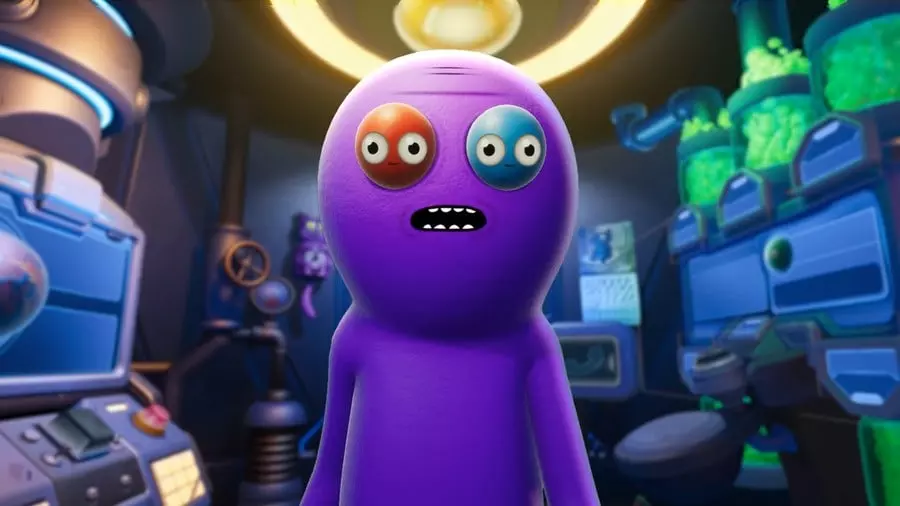
The comedy adventure game 'Trover Saves the Universe,' developed by Squanch Games, co-founded by 'Rick & Morty' creator Justin Roiland, has reportedly been removed from the eShop. This delisting aligns with a noticeable trend of various titles disappearing from the platform throughout 2026. Despite the lack of an official statement from Squanch Games, data from the Steam database indicates that the game's removal was a publisher-initiated request. The game, originally launched in 2019, garnered attention for its robust gameplay mechanics and distinctive, often unconventional, comedic style, which, while not universally appealing, was a significant draw for many players.
This incident is part of a broader pattern of game removals from digital storefronts, raising concerns among players about game preservation and access. The unannounced nature of 'Trover Saves the Universe's' disappearance highlights the challenges faced by consumers when games are suddenly withdrawn, making it difficult to understand the reasons behind such decisions or to anticipate future delistings. This situation underscores the evolving landscape of digital game distribution, where titles can become unavailable without prior notice, impacting players' ability to purchase, re-download, or even continue playing games they own.
Sudden Disappearance and Industry Trends
The comedy adventure title, 'Trover Saves the Universe,' developed by Squanch Games, has reportedly been removed from the eShop without any prior announcement from the developer. This event is not isolated, as several other games have also vanished from digital storefronts in 2026, marking a concerning trend in the gaming industry. While an official reason remains undisclosed, information from the Steam database hints at a 'publisher request' for its retirement, suggesting an internal decision rather than a technical issue. This unexpected delisting leaves players and fans speculating about the future of digital game availability and the implications for game preservation.
The removal of 'Trover Saves the Universe' follows a pattern seen with other titles like 'Star Trek: Legends,' 'Cruis'n Blast,' and 'LEGO 2K Drive,' all of which were delisted from the eShop earlier in 2026. This trend raises questions about the long-term accessibility of digitally distributed games and the potential for titles to disappear without warning. For players who enjoyed 'Trover Saves the Universe'—a game lauded for its strong core gameplay and unique, albeit divisive, humor—its sudden absence means no new purchases are possible, and the ability to re-download it may also be affected. This situation underscores the dynamic and sometimes unpredictable nature of the digital games market.
Player Impact and Game Preservation Concerns
The sudden delisting of 'Trover Saves the Universe' has left many players puzzled and concerned, particularly due to the absence of any official communication from Squanch Games regarding the removal. This lack of transparency impacts players who might have intended to purchase the game or those who already own it and rely on the eShop for re-downloads. The game, co-created by 'Rick & Morty's' Justin Roiland, was appreciated for its distinctive blend of puzzle-platforming and dark humor, making its disappearance a significant loss for its dedicated fanbase and those looking for unique gaming experiences.
This incident, along with other recent delistings, emphasizes a growing concern within the gaming community about game preservation in the digital era. When games are removed from digital marketplaces, they often become inaccessible to new players, and sometimes even to existing owners, depending on platform policies. This highlights the fragility of digital ownership compared to physical copies and prompts discussions on how to ensure that games, especially unique or critically acclaimed titles like 'Trover Saves the Universe,' remain available for future generations of players. The ongoing trend calls for greater transparency from developers and platforms regarding game availability and retirement plans.
About the author
Jane McGonigal
Game designer and author who writes about using games to improve real life and solve problems.