The Transformation of the Victoria's Secret Fashion Show: From Modesty to Spectacle
ByMiuccia Prada
The Victoria's Secret Fashion Show, a highly anticipated global event, has undergone a remarkable metamorphosis since its inception. What began as a relatively modest industry gathering focused on practical lingerie has evolved into a lavish production rivaling major entertainment spectacles. This transformation reflects broader shifts in fashion, media, and consumer culture, moving from showcasing wearable undergarments to presenting fantastical, diamond-encrusted creations and elaborate stagecraft. The journey from its 1995 debut to its current iteration is a testament to the brand's ability to adapt and capitalize on the public's fascination with glamour, celebrity, and the ever-blurring lines between fashion and art. The early shows, while elegant, maintained a grounded approach, featuring styles that were far removed from today's avant-garde designs, yet interestingly, some of these foundational looks are seeing a resurgence in contemporary high fashion.
Initially, the Victoria's Secret Fashion Show served primarily as an industry showcase for buyers and media, lacking the star-studded performances and global broadcast reach that define it today. The brand's decision to embrace theatricality, recruit a cohort of 'Angels' with elaborate wings, and eventually televise the event propelled it into the mainstream, creating a cultural phenomenon. This shift not only elevated the status of its models but also turned the show itself into a powerful marketing tool, influencing lingerie trends and fashion dialogues worldwide. The progression from simple bras and briefs to million-dollar fantasy bras and intricate costumes illustrates a strategic move towards aspirational luxury and an overt embrace of exhibitionism, a trend that continues to resonate across the fashion landscape.
The Humble Beginnings of a Fashion Phenomenon
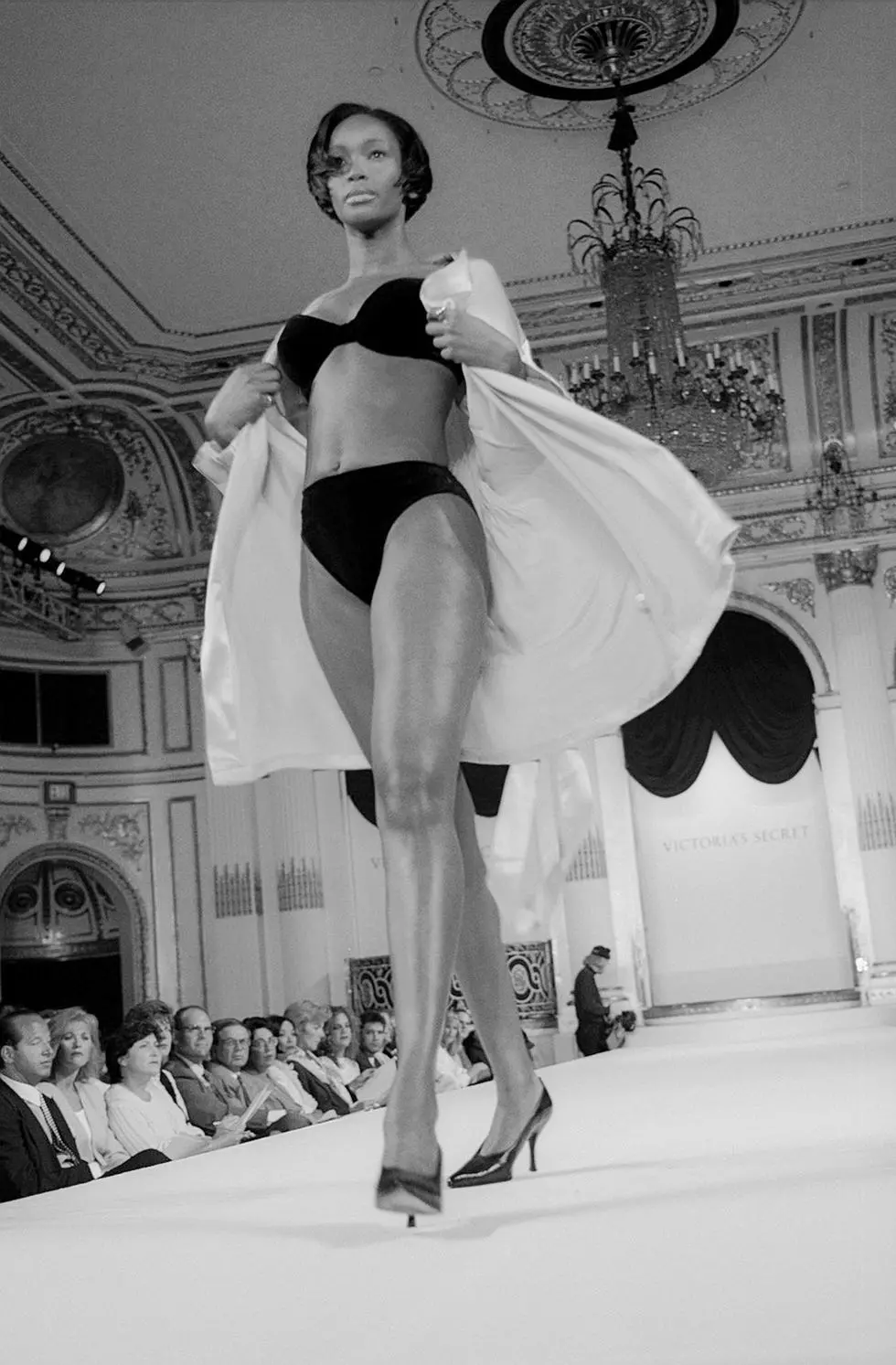
The Victoria's Secret Fashion Show, which began its journey in August 1995 at The Plaza Hotel in New York City, was initially conceived as an industry-focused event. Its primary purpose was to unveil the brand's latest lingerie collections to an exclusive audience of buyers, press members, and corporate executives. Unlike the elaborate spectacles of today, these early shows were characterized by a straightforward presentation, devoid of celebrity musical performances or the grand, theatrical sets that would later become its hallmark. Hosted by supermodel Stephanie Seymour, the runway featured models such as Veronica Webb and Beverly Peele, showcasing designs that were practical and everyday wearable, reflecting the prevailing fashion sensibilities of the mid-1990s. The absence of streaming platforms or widespread social media meant the event's reach was limited, although it was documented and is now available for historical viewing.
The initial collection presented at the 1995 show emphasized functional and comfortable undergarments, a stark contrast to the artistic and often extravagant pieces seen in contemporary shows. The opening look, featuring a sturdy T-shirt bra paired with high-rise briefs, exemplified the era's focus on practicality. Subsequent ensembles included basic bras with full-cut briefs or rolled-over shorts, and even a long T-shirt styled with boy shorts, blurring the lines between lingerie and casual wear. This grounded approach saw bras and bralettes combined with lace-trimmed slip skirts, and silk pajama pants with cardigans, demonstrating a versatility that aligned with everyday fashion. The collection also incorporated simple bustiers and bodysuits with robes, along with some silk eveningwear, indicating a readiness for clients to integrate these pieces into their regular wardrobes, highlighting a commercial realism that gradually gave way to more fantastical presentations in later years.
Evolution into a Global Spectacle
The transformation of the Victoria's Secret Fashion Show into a global spectacle was a rapid and deliberate process, commencing just a few years after its debut. By 1998, the brand had already started defining its 'Angels'—a select group of top models adorned with elaborate wings—signaling a shift towards a more theatrical and aspirational identity. This period also saw the increasing presence of celebrity guests in the front row, further cementing the show's status as a significant cultural event. The crucial step towards its widespread recognition came in 2001 when Victoria's Secret began televising the show, coinciding with the rise of iconic figures like Gisele Bündchen, Tyra Banks, and Heidi Klum, who became synonymous with the brand's image. Over the following three decades, the event navigated various changes, continuously escalating in its production value to become the high-profile, mega-watt production recognized worldwide today.
The show's evolution reflects its successful capitalization on a collective societal interest in fashion's more revealing aspects. While the concept of 'exposure' in fashion is not new, the Victoria's Secret show brought it to the forefront, transforming lingerie from a private garment into a public fashion statement. In recent years, as fashion has moved away from minimalist trends like 'quiet luxury,' there's been a noticeable leaning towards exhibitionism on many major runways. This resurgence of bolder, more revealing styles has created a curious parallel, making contemporary high fashion shows, in some respects, resemble the earlier, more practical iterations of the Victoria's Secret runway. This cyclical nature of fashion underscores how the show, even in its early forms, tapped into an enduring appeal that continues to influence modern sartorial choices, blurring the boundaries between intimate apparel and mainstream fashion trends.
About the author
Miuccia Prada
Head of the Prada fashion house and intellectual designer known for defining modern minimalist and innovative fashion.