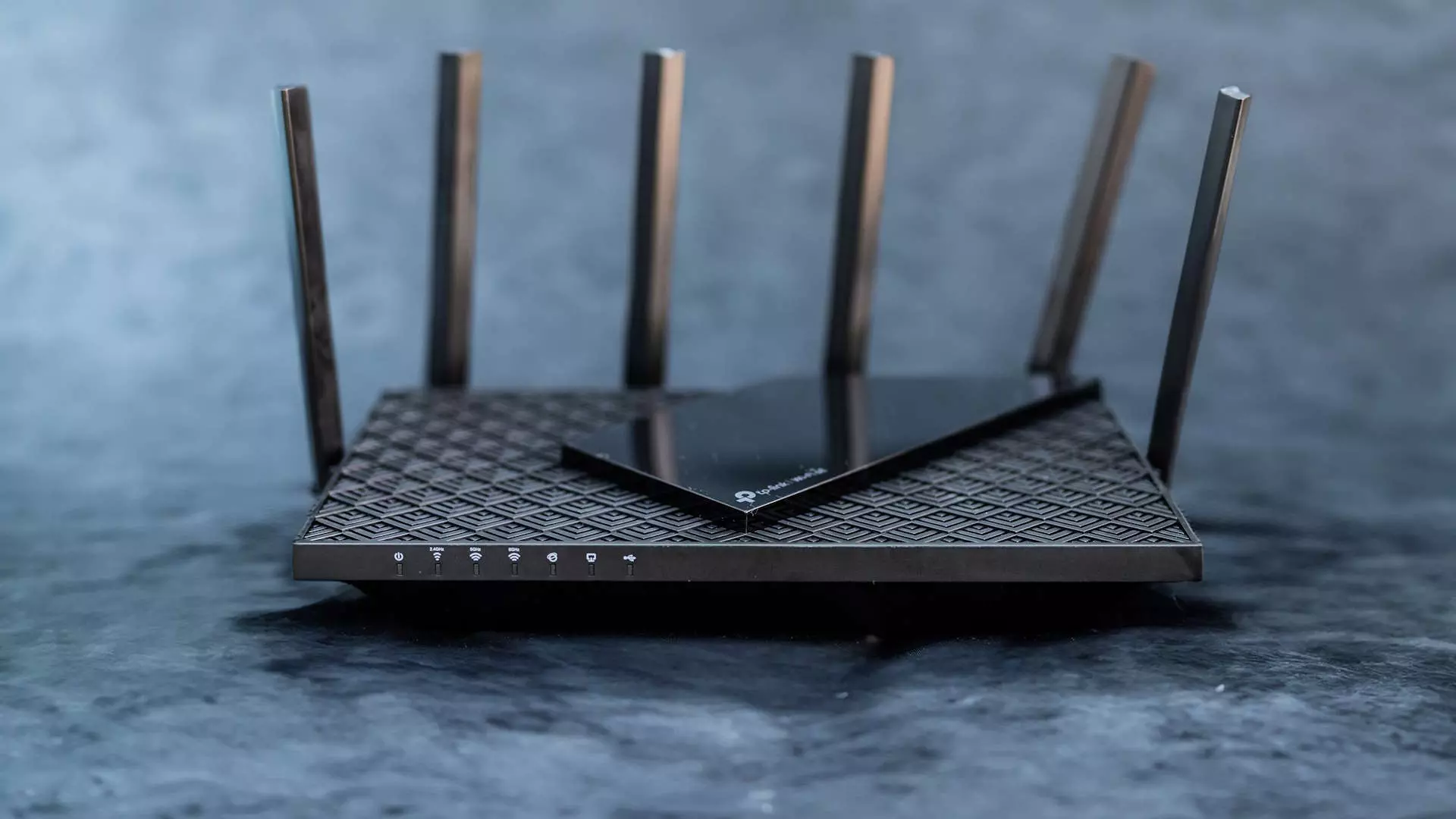
In a significant shift, TP-Link, a prominent Chinese networking giant, has declared its intention to relocate the assembly of its routers to the United States. This decision directly addresses new regulations from the US Federal Communications Commission (FCC) that mandate special authorization for foreign-produced routers sold within the country. The company has formally signed a letter of intent with Key Tronic, an electronics manufacturing firm, to facilitate router assembly operations in Mississippi. This strategic move not only aims to ensure compliance with US regulations but also aligns with the broader national initiative to bolster domestic technology manufacturing and supply chain security. The collaboration is expected to commence production of next-generation Wi-Fi 8 devices as early as the beginning of next year.
TP-Link Initiates US Production of Wi-Fi 8 Routers in Mississippi
Earlier this year, the Federal Communications Commission (FCC) introduced a new policy that effectively imposed a soft ban on routers manufactured outside the United States. This regulation stipulates that all foreign-produced networking devices must obtain special approval before they can be sold within the US market. In response to this evolving regulatory landscape, TP-Link, a major Chinese networking company, has announced a significant strategic pivot: it intends to transfer its router manufacturing operations to American soil.
TP-Link has formalized its commitment by signing a letter of intent (LOI) with Key Tronic, an established electronics manufacturer. This partnership will see Key Tronic undertaking the assembly of TP-Link routers at its facilities located in Mississippi. Jeffrey Chao, CEO of TP-Link, emphasized the strategic importance of this move, stating that the LOI with Key Tronic underscores the company's strong dedication to expanding advanced domestic manufacturing capabilities and establishing the United States as a pivotal base for delivering secure and reliable connectivity solutions globally.
Brett Larsen, CEO of Key Tronic, highlighted the benefits of this collaboration, explaining that Key Tronic's production infrastructure will provide TP-Link with a robust domestic foundation. He further noted that Key Tronic's extensive experience in high-reliability electronics manufacturing will be instrumental in supporting TP-Link's upcoming generation of Wi-Fi 8 technologies. Wi-Fi 8, the latest iteration of wireless technology, primarily focuses on enhancing network reliability by significantly reducing interference and latency, marking a more practical advancement than mere speed increases.
The underlying rationale for the FCC's restrictions on foreign-made routers is rooted in national security concerns, as compromised networking infrastructure could pose substantial risks. This development also reflects a broader national push for on-shore manufacturing, a trend that gained momentum during the previous administration with the implementation of tariffs and mandates encouraging domestic sourcing. The US government has demonstrated increasing interest in revitalizing domestic tech manufacturing across various sectors over the past few years. This initiative has already shown tangible results, with companies like TSMC announcing substantial investments, totaling an additional $100 billion, into US chip production facilities just a few months prior.
The convergence of economic benefits and national security imperatives often aligns, where fostering domestic production can simultaneously fortify national security. TP-Link's decision to align with this on-shoring strategy is expected to streamline its ability to serve US consumers, with manufacturing anticipated to commence as early as the beginning of next year.
This strategic move by TP-Link signifies a critical adaptation to the evolving global manufacturing landscape and US regulatory environment. It underscores the increasing importance of local production for tech companies aiming to maintain market access and trust. For consumers, this shift could mean a more secure and reliable supply chain for essential networking equipment. As the trend towards on-shoring continues, we can expect to see more companies adjusting their global operations to meet national security and economic priorities, potentially fostering a stronger domestic tech industry.
About the author
Shigeru Miyamoto
Legendary game designer at Nintendo, creator of Mario, Zelda, and Donkey Kong.