Skyward Sword HD: A Tale of Epic Narrative and Gameplay Challenges
BySid Meier
"The Legend of Zelda: Skyward Sword," a game renowned for its deep narrative and memorable characters, initially faced criticism due to its reliance on motion controls. Despite these gameplay challenges, the recent Switch HD remaster has revitalized the experience, offering players improved mechanics such as autosave, a player-controlled camera, skippable cutscenes, and the option to forgo motion controls entirely. This evolution highlights how a compelling storyline can transcend initial mechanical imperfections, allowing a new generation of players to appreciate the game's rich world and intricate plot. The remaster's success underscores the importance of accessibility and player choice in modern gaming, ensuring that the game's emotional depth and foundational role in the Zelda universe are no longer overshadowed by its original control scheme.
This re-release not only addressed past criticisms but also reaffirmed the game's status as a pivotal entry in the Zelda chronology, establishing an origin for the iconic Master Sword. Its dramatic encounters with memorable antagonists like Demise and Ghirahim, coupled with a sweeping orchestral score, solidify its cinematic appeal. The narrative journey of Link to rescue Zelda from the ominous surface below Skyloft, replete with challenging dungeons and trials, showcases a powerful story of heroism and sacrifice. The game's enduring legacy is further cemented by its influence on subsequent titles, particularly in realizing its director's vision of expansive sky-to-ground exploration in later installments.
The Narrative Triumph Amidst Gameplay Hurdles
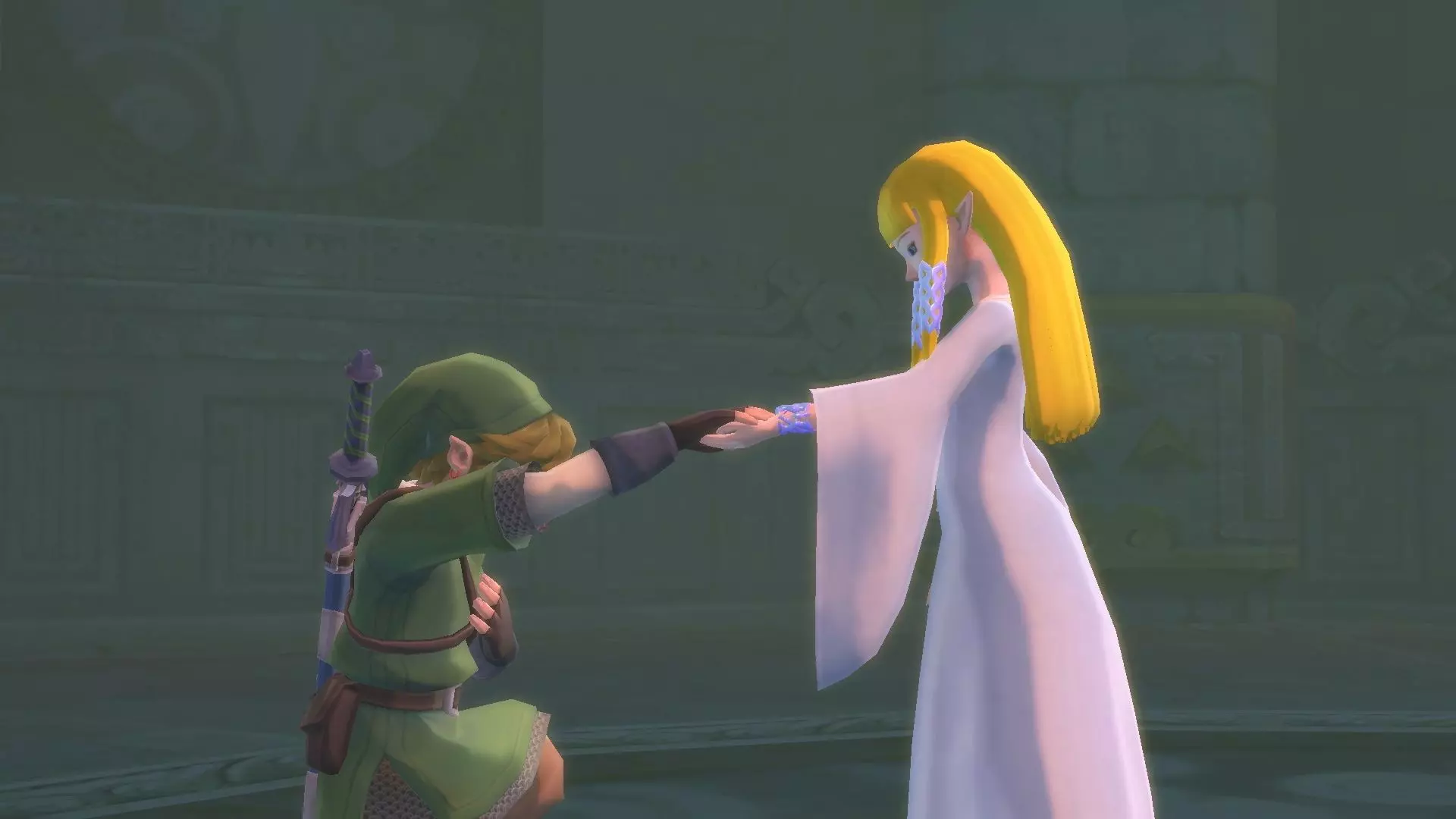
"The Legend of Zelda: Skyward Sword," both in its original Wii form and its High Definition re-release on the Switch, has consistently captivated players with its intricate narrative. The game's story, often praised for its depth, cinematic presentation, and profound character development, establishes a rich foundation for the entire Zelda saga. Players embark on an emotional journey alongside Link as he navigates the challenges of Skyloft and the mysterious surface world below, all to rescue his childhood friend, Zelda. This tale is filled with engaging allies, menacing adversaries, and plot twists that reveal the origins of the Master Sword and the perennial conflict between good and evil, resonating deeply with fans of the series. The strong storytelling elements, including the evolution of characters like the pompadoured bully into a trusted companion and the dramatic reveal of Ghirahim's true nature, contribute to an unforgettable experience. The game also masterfully employs its orchestral score to heighten emotional moments, making every encounter and revelation more impactful. Even with some minor plot discrepancies, the overarching narrative strength ensures that the story remains a highlight for many.
Despite its narrative brilliance, the original Wii version of "Skyward Sword" was frequently criticized for its finicky motion controls, which often detracted from the gameplay experience. These controls, designed to leverage the Wii MotionPlus accessory, led to a disconnect between player input and on-screen action, causing frustration for many. The need for constant recalibration and precise, often repetitive, sword swings could overshadow the otherwise compelling exploration and combat. However, the subsequent Switch HD remaster significantly addressed these issues by introducing a host of player-friendly improvements. The inclusion of optional button-only controls, along with features like autosave, a player-controlled camera, and skippable cutscenes, transformed the gameplay experience. These enhancements made the game far more accessible and enjoyable, allowing players to immerse themselves fully in the rich story without battling cumbersome mechanics. The remaster's commercial success, nearly matching the original's lifetime sales in a fraction of the time, unequivocally demonstrated that the core appeal of "Skyward Sword" lay in its powerful narrative, which the improved controls finally allowed to shine.
Enduring Legacy and Evolving Gameplay Mechanics
The legacy of "The Legend of Zelda: Skyward Sword" extends beyond its initial release, influencing subsequent titles in the acclaimed series and demonstrating a remarkable evolution in gameplay philosophy. Initially conceived around the innovative, yet sometimes problematic, motion controls of the Wii, the game's design decisions were deeply tied to showcasing new peripheral capabilities. This focus, while a bold experiment, proved to be a double-edged sword, alienating some players despite the game's narrative prowess. However, the vision behind certain aspects, such as director Hidemaro Fujibayashi's desire for Link to plummet freely from the sky, foresaw future gameplay innovations. This particular dream was later realized with groundbreaking success in "Tears of the Kingdom," showcasing a seamless sky-to-depth exploration that greatly expanded the player's freedom and immersion. "Skyward Sword" thus serves as a foundational text, not just in its chronological placement within the Zelda lore, but also in its contribution to the series' ongoing mechanical and thematic development.
The transformation seen in "Skyward Sword HD" on the Nintendo Switch represents a crucial turning point, illustrating a willingness by Nintendo to re-evaluate and refine past gameplay mechanics in response to player feedback. The decision to introduce a button-only control scheme, alongside other quality-of-life improvements like autosave and skippable cutscenes, effectively removed the barriers that had previously prevented many from fully appreciating the game. This strategic move not only led to a commercial resurgence, with the HD version rapidly approaching the original's lifetime sales, but also validated the enduring strength of the game's narrative and world-building. The success of the remaster underscores a significant shift in design, moving from a gadget-centric approach to one that prioritizes player comfort and narrative engagement. This evolution allows the profound story, the compelling characters, and the epic orchestral score of "Skyward Sword" to be experienced without the original frustrations, cementing its place as a beloved and influential entry in the esteemed "Legend of Zelda" franchise.
About the author
Sid Meier
Pioneering game designer known for the "Civilization" series and his philosophy on game design.