Rob Lowe Partners with Accredited Debt Relief to Tackle Debt Stigma
ByChimamanda Ngozi Adichie
Renowned actor Rob Lowe has embarked on a significant partnership with Accredited Debt Relief, a company dedicated to helping individuals manage and reduce their financial burdens. This collaboration seeks to address the pervasive stigma surrounding debt, promoting open dialogue and encouraging those facing financial challenges to explore available solutions.
Empowering Financial Wellness: Rob Lowe's Mission to End Debt Stigma
A New Role for Rob Lowe: Championing Debt Relief
While celebrated for his roles in popular television series like “The West Wing” and “9-1-1 Lone Star,” Rob Lowe is now taking on a different, yet equally impactful, endeavor. He is stepping into a crucial role to support Accredited Debt Relief, a firm specializing in negotiating with creditors to lower the amounts owed on various forms of debt, including credit card balances, medical bills, and personal loans.
Addressing the Stigma of Financial Hardship
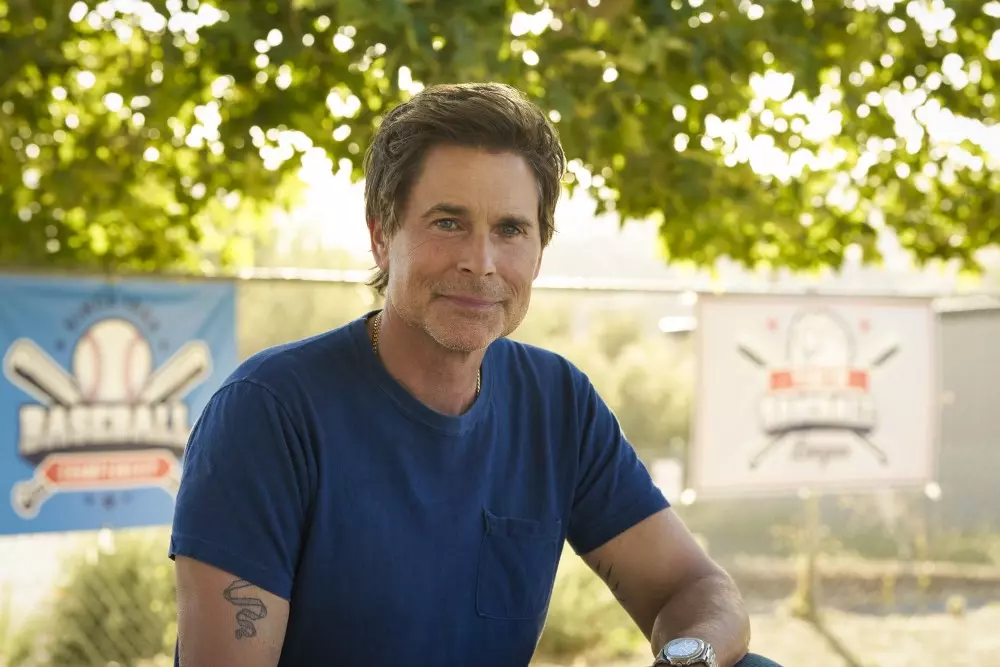
The upcoming marketing campaign, slated for an August launch, is strategically designed to challenge the societal stigma often associated with financial difficulties. A poignant television advertisement features Lowe illustrating the struggles of a family confronting the potential inability of their son to participate in baseball due to program costs, highlighting the emotional toll of debt.
Rob Lowe's Perspective on Debt and Support
Lowe passionately articulates the pressing need for candid discussions about financial solutions, noting that “Americans are burdened with unprecedented levels of debt, and the pressure can be overwhelming.” He expresses gratitude for the opportunity to collaborate with Accredited Debt Relief, aiming to share narratives that diminish stigma, foster a culture of seeking assistance, and remind people that their financial situation does not define their worth. His message underscores the belief that everyone merits a chance to live a life less constrained by monetary worries.
A History of Diverse Endorsements
Throughout his career, Lowe has lent his image to numerous advertising and marketing initiatives. A decade prior, he gained considerable attention for his humorous portrayal of eccentric alter-egos, such as “Super Creepy Rob Lowe” and “Painfully Awkward Rob Lowe,” in a campaign for DirecTV, which even drew complaints from rival companies. Additionally, he has served as a prominent spokesperson for the Atkins Diet, showcasing his versatility in endorsements.
About the author
Chimamanda Ngozi Adichie
Acclaimed novelist ("Americanah") whose essays and talks offer sharp critiques of culture and feminism.