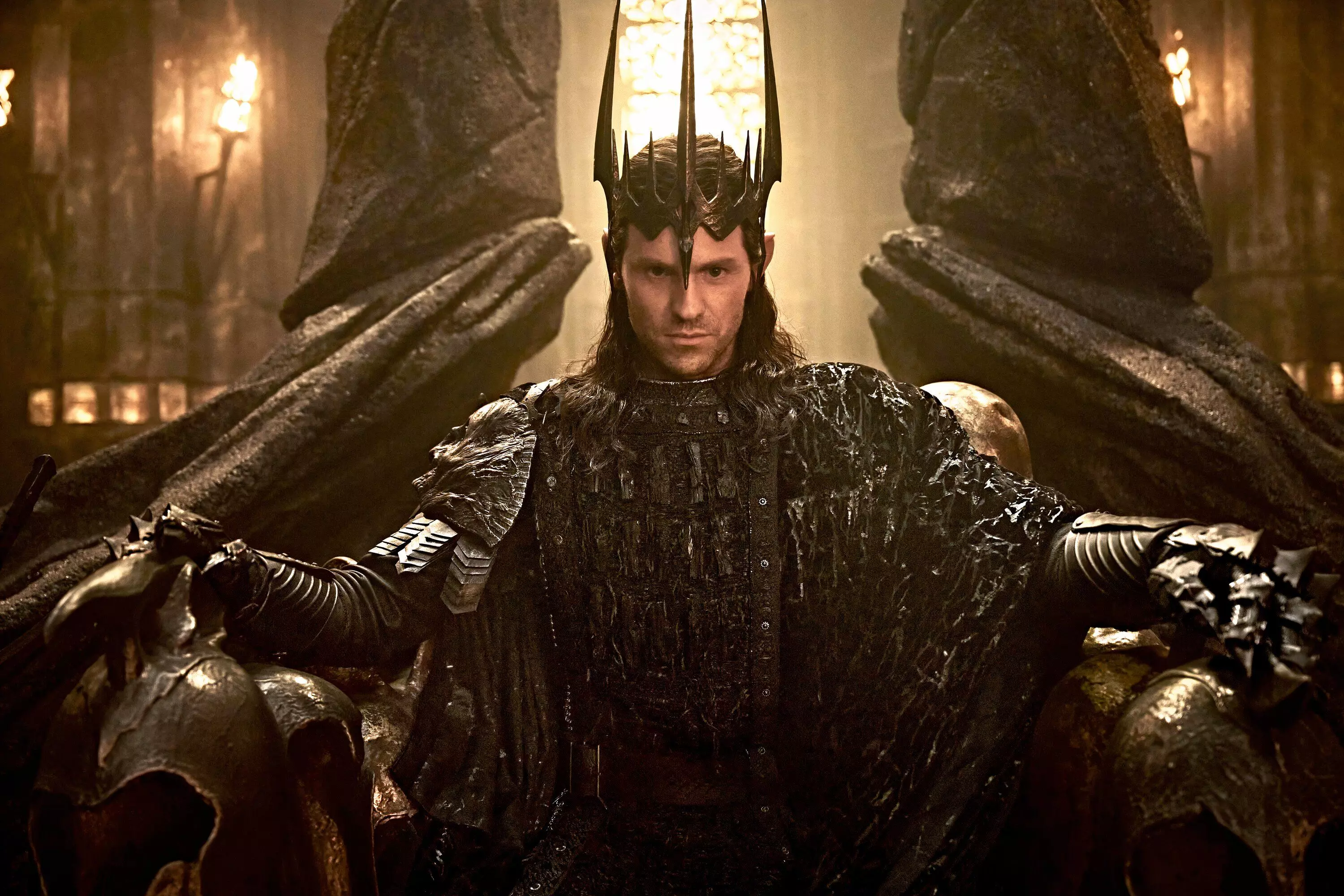
The Rings of Power Season 3: A Familiar Yet Flawed Return to Middle-earth
BySid Meier
Prime Video's "The Lord of the Rings: The Rings of Power" returns for its third season, attempting a narrative reset after two seasons of world-building around Sauron. The show now fast-forwards five years, shifting its central focus towards the iconic One Ring. This strategic move aims to revitalize the series, yet it frequently leans into elements reminiscent of Peter Jackson's beloved "Lord of the Rings" films, often feeling like a less impactful reiteration. While the new season manages to deliver some truly spectacular and engaging sequences, particularly within the dwarven kingdom of Khazad-dûm, it struggles with certain underdeveloped plotlines and characters. This duality of captivating moments and narrative shortcomings ultimately defines the viewing experience, leaving fans with a mixed impression of its ambitious return to Middle-earth.
The third season of "The Rings of Power" finds itself navigating a precarious balance between honoring Tolkien's established lore and forging its own narrative path. While it successfully introduces compelling new dynamics, like the escalating conflict within Khazad-dûm and the formidable presence of Sauron's growing power, the show also falters in other areas. The series continues to grapple with the inherent challenges of being a prequel, where the ultimate fate of many characters and kingdoms is already known. This inherent predictability, coupled with a tendency to draw too heavily from the aesthetics and narrative beats of previous adaptations, results in a season that offers both the grandeur expected of Middle-earth and the occasional sense of missed opportunity for true innovation.
Echoes of the Past: Familiar Narratives and Their Impact
Prime Video's "The Lord of the Rings: The Rings of Power" season 3 embarks on a renewed narrative journey with a five-year time leap, aiming to re-center its story on the pivotal One Ring. This strategic shift, while intended to invigorate the series, inadvertently leads to numerous plot points that closely mirror iconic scenes from Peter Jackson's acclaimed "Lord of the Rings" film trilogy. Viewers will encounter instances of characters traversing enemy lands with morally ambiguous guides, direct parallels to Frodo and Sam's journey with Gollum, and tense encounters with nascent Ringwraiths, echoing the hobbits' peril. Such strong resemblances, including explicit references to the concept of "fellowship," often diminish the show's sense of originality, making these moments feel less like fresh storytelling and more like deliberate homages that fall short of the originals' impact.
This season frequently evokes a sense of déjà vu, presenting scenarios that directly correspond to well-known events and character dynamics from Tolkien's established narrative universe as adapted by Jackson. From Galadriel and Arondir's perilous trek through hostile territories, guided by a reluctant and food-averse companion who sows discord, to Galadriel's narrow escape from the Nazgnagôl, these parallels are striking. Even the invocation of "fellowship" as a source of hope against Sauron feels overtly similar to Elrond's speech in Rivendell. These narrative choices highlight the prequel's struggle to forge a unique identity. Instead of innovating within its own Second Age setting, the show often defaults to recreating familiar beats, inadvertently casting itself in the shadow of a cinematic masterpiece. This reliance on established tropes, while offering a comfortable familiarity for fans, simultaneously undercuts the potential for truly novel and impactful storytelling within this rich fantasy world.
Balancing Grandeur with Gaps: Strengths and Weaknesses of Season 3
Season 3 of "The Rings of Power" presents a landscape of both undeniable strengths and noticeable weaknesses. While the show successfully captures the epic scale and emotional depth expected of Middle-earth, particularly in its portrayal of Sauron's growing dominance and the intense family drama unfolding within Khazad-dûm, it also suffers from several underdeveloped storylines. The engaging dynamics between Durin IV and Disa, as they strive to protect their kingdom, remain a highlight, alongside unexpected breakout characters like the orc Marnûkh and a compelling dialogue between Sauron and the Balrog. However, the season's decision to sideline the Harfoots, thereby diminishing Gandalf's previous narrative arc, creates a void of charm and humor. Furthermore, Gandalf's new journey, focused on complex Istari cosmology and battling a somewhat generic Dark Wizard, struggles to resonate, leaving certain plotlines feeling hollow despite their ambition.
Despite its narrative inconsistencies, "The Rings of Power" season 3 still manages to deliver moments of genuine awe and dramatic weight. Sauron's relentless ascent to power across Middle-earth, marked by the distribution of the nine rings to mortal men and the deployment of his terrifying lieutenants, drives much of the season's tension. The internal conflicts within Khazad-dûm, particularly the efforts of Durin IV and Disa to safeguard their realm from Durin's ambitious older brother Thráin, continue to be a compelling focal point. Characters like the rogue orc Marnûkh, despite echoes of Gollum, inject surprising humor and depth, and the confrontation between Sauron and the Balrog stands out as a powerful scene. Conversely, the absence of the Harfoots leaves Gandalf's storyline feeling disconnected and less impactful. His exploration of Istari lore and his confrontation with a Dark Wizard that feels like a pale imitation of Saruman fail to fully engage, contributing to a sense of unevenness in an otherwise visually spectacular and occasionally moving season. The storylines set in Númenor also remain a point of contention, with intricate costume and set designs failing to compensate for a politically charged narrative that often feels superficial, diminishing its overall appeal.
About the author
Sid Meier
Pioneering game designer known for the "Civilization" series and his philosophy on game design.