Reinterpreting Jane Austen: A Modern Perspective on Her Life and Legacy
ByRuth E. Carter
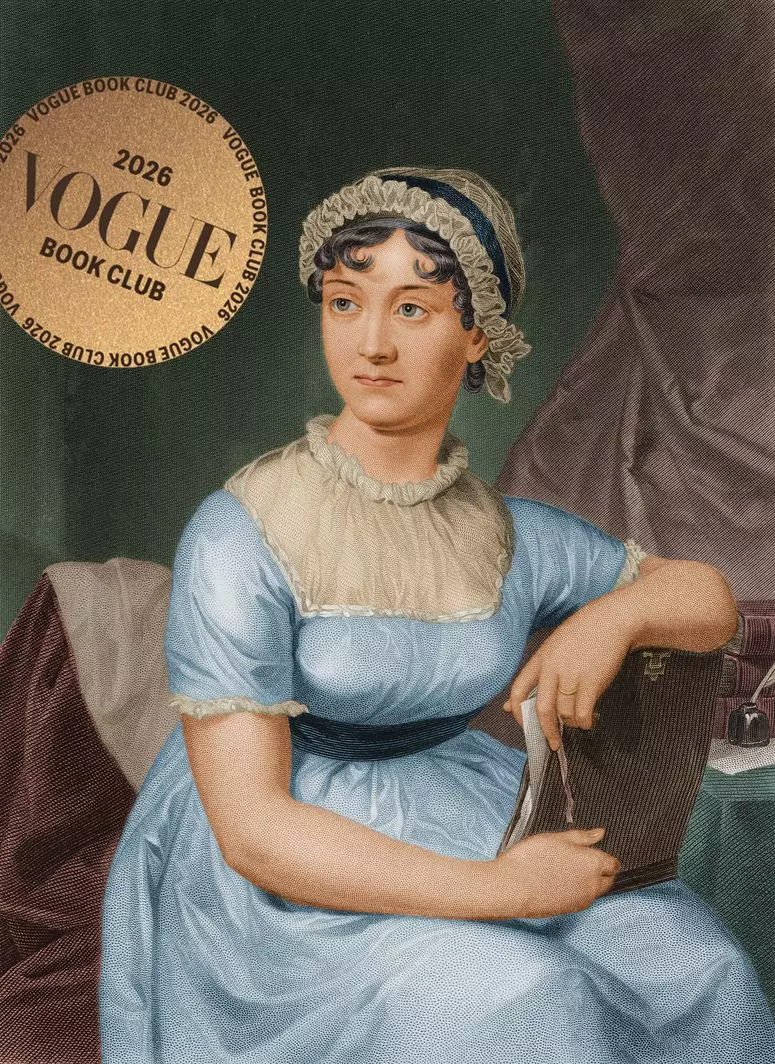
In an insightful exploration, Spanish author Espido Freire challenges conventional romanticized views of Jane Austen's life and works, offering a fresh lens through which to appreciate the celebrated English novelist. Freire, who has dedicated multiple publications to Austen, including 'Dos tardes con Jane Austen' (Two Afternoons with Jane Austen), emphasizes the importance of understanding Austen within the societal confines of her era. Through her research and analysis, Freire dissects the historical portrayal of Austen, suggesting that many prevailing narratives, particularly those passed down by her family and influenced by Victorian ideals, have obscured the complexities of her existence and literary contributions. This reevaluation prompts readers to consider the genuine struggles and triumphs of a woman whose creative output transcended the limitations imposed upon her gender and social standing.
Freire's fascination with Austen dates back to her university days, stemming from her study of 'Sense and Sensibility'. This initial interest blossomed into a comprehensive scholarly pursuit, leading her to literally follow in Austen's footsteps across England for her book 'Querida Jane, Querida Charlotte'. During this journey, Freire observed a disparity between the popular image of Austen—often depicted as a delicate and demure figure—and the realities of her life. She argues that the exaggerated romanticism frequently associated with Austen's novels fails to capture the true essence of her experiences, particularly her lack of personal romantic entanglement and her astute observations of societal structures. Freire's dedication to unraveling these myths aims to provide a more authentic tribute to Austen's profound literary legacy.
A significant aspect of Freire's reassessment centers on the historical biases present in early biographies of Austen. She notes that these accounts, primarily penned by male family members during Victorian times, deliberately emphasized Austen's shyness and propriety, aligning with the era's ideal of the 'angel in the house'. This selective portrayal, Freire contends, minimized what they perceived as her 'faults' while overlooking the potentially different narratives that might have emerged from her female relatives. Furthermore, while later adaptations and feminist interpretations have rightly highlighted Austen's importance, Freire cautions against anachronistically applying labels like 'feminist' to her work, advocating instead for an understanding of Austen's subtle yet powerful commentary on the limited opportunities available to women of her time.
Freire also delves into the economic realities that shaped women's lives in the Regency era, arguing that Austen's novels often address themes of financial security and personal freedom as much as, if not more than, romance. She points out that for women, marriage was frequently a means of securing property and status, with inheritances often contingent upon marital unions. While Austen herself faced the financial disadvantage of not having a dowry—a significant barrier to marriage—Freire suggests that other factors, such as the surplus of women due to the Napoleonic Wars, also contributed to her unmarried status. Freire underscores that the notion of women fulfilling themselves solely through marriage is a contemporary concept, and in Austen's time, unmarried women, particularly sisters, played crucial social roles in caregiving and strengthening family bonds. Austen even subtly critiques the physical dangers of marriage, including childbirth and premature aging due to frequent pregnancies, through her writings.
Reflecting on Austen's professional journey, Freire confirms that the author achieved moderate literary success during her lifetime. While not attaining the same level of fame as contemporaries like Walter Scott, Austen's novels began to sell, generating royalties that affirmed writing as a viable profession. She even received an acknowledgment from the Prince Regent, indicating her growing recognition. Despite publishing under a pseudonym, a common practice for women writers then, her identity was revealed posthumously by her brother, Henry. Freire concludes by offering a recommended reading order for Austen's novels, advising readers to start with more accessible works like 'Pride and Prejudice' and gradually progress to more complex ones like 'Northanger Abbey', also suggesting the inclusion of 'Lady Susan' and some of Austen's letters for a more complete understanding.
About the author
Ruth E. Carter
Oscar-winning costume designer for films like "Black Panther," authoring works on the intersection of fashion, culture, and history.