The Refreshed 2026 Toyota bZ: A Significant Leap Forward
ByEdward Loh
The 2026 Toyota bZ represents a substantial advancement in the brand's electric vehicle offerings, addressing previous shortcomings and significantly elevating its market position. This iteration demonstrates Toyota's commitment to refining its EV technology, delivering a more compelling package to consumers.
Reimagining Electric Mobility: Toyota's Enhanced 2026 bZ
Strategic Renaming and Core Enhancements
Toyota's latest electric SUV, the 2026 bZ, arrives with a streamlined name, shedding the cumbersome "bZ4x" moniker of its predecessor. This simplification in branding reflects a broader effort to refine the vehicle's identity. Beyond the name, the 2026 bZ introduces meaningful upgrades in crucial areas like range, power delivery, and overall efficiency, along with an updated charging standard. These improvements collectively aim to make the bZ a more formidable contender in the rapidly evolving electric vehicle segment.
Dynamic Performance and Driving Impressions
The 2026 bZ offers a spectrum of powertrain options, with the dual-motor all-wheel-drive variant leading the charge with a robust 338 horsepower. This configuration propels the SUV to 60 mph in approximately 4.5 seconds, delivering an exhilarating driving experience characterized by abundant power. While the steering feel and ride comfort may not set new benchmarks, the sheer acceleration capabilities inject a notable sense of excitement into the bZ's performance. Two front-wheel-drive models are also available, with the XLE Plus and Limited models providing a respectable 221 horsepower, ensuring responsive performance for everyday driving.
Extended Range and Advanced Charging Capabilities
A key area of improvement for the 2026 Toyota bZ lies in its extended range and sophisticated charging solutions. While the base XLE model offers 236 miles on a single charge, the XLE Plus model significantly boosts this to an impressive 314 miles. The all-wheel-drive XLE variant provides a practical 288 miles of range, deemed ample for most journeys. The transition to the new NACS charging port, coupled with an included adapter for CCS compatibility, ensures broad charging accessibility. Furthermore, the upgraded 11-kilowatt AC on-board charger drastically reduces home charging times, enhancing convenience for owners.
Interior Design and Technological Integration
The interior of the 2026 bZ has been refreshed, featuring a prominent 14-inch central display screen. Despite this upgrade, some ergonomic challenges from the previous model persist, particularly concerning the driving position and the visibility of the instrument cluster, often obscured by the steering wheel. However, the cabin offers generous space for occupants, with ample headroom and a low-profile dashboard contributing to an open, airy ambiance. A drawback noted is the cargo capacity, which, at 28 cubic feet, is less than that of the RAV4 due to the SUV's sloping roofline.
Exterior Aesthetics: Functional but Uninspired
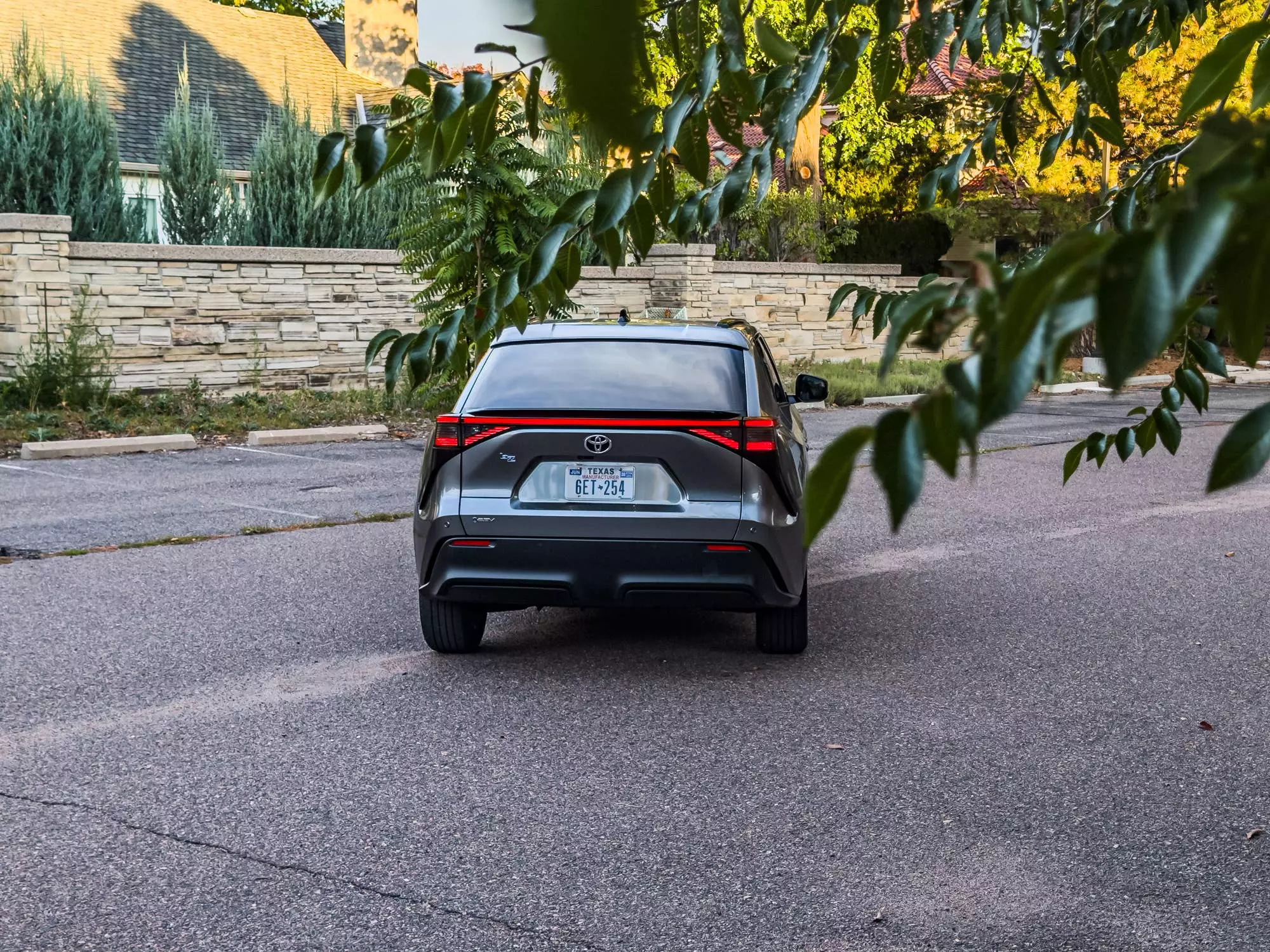
The external design of the 2026 bZ is characterized by a modern, yet somewhat conventional aesthetic. Its silhouette, featuring dual light bars and a generally understated form, is consistent with contemporary EV design trends. While inoffensive and functional, the design is perceived by some as lacking distinctive character or groundbreaking innovation, leading to a sense of familiarity rather than excitement.
Competitive Pricing and Overall Value Proposition
With a starting price of $36,495 and reaching up to $44,895 for higher trims, the 2026 Toyota bZ is competitively positioned against rivals such as the Ioniq 5 and is generally more affordable than the Tesla Model Y. While entry-level models might not offer exceptional value, the upper trim levels present a more compelling package. Personal preferences, however, might lead some consumers to favor the distinct design and driving dynamics of competitors like the Ioniq 5.
Concluding Thoughts: A Substantial Evolution
The 2026 Toyota bZ marks a significant evolutionary step for the brand's electric vehicle strategy. Compared to its predecessor, this updated model represents a breath of fresh air and a clear move in the right direction, addressing many of the former version's criticisms. While it is undoubtedly a competent vehicle, some may find other options in the market, such as the Hyundai Ioniq 5, more appealing due to their unique styling, superior handling characteristics, and impressive range and power figures. Ultimately, the bZ stands as a good car, though perhaps overshadowed by a few exceptional alternatives.
About the author
Edward Loh
Former editor-in-chief of Motor Trend, representing mainstream automotive media and testing expertise.