Prioritizing Kitchen Safety: Essential Lead-Free Cookware for a Healthier Home
ByJulia Child
The article emphasizes the increasing awareness among consumers about environmental toxins impacting daily life, particularly within the kitchen environment. A recent alert from the Food and Drug Administration (FDA) has specifically highlighted a concern regarding lead leaching from certain types of cookware, urging immediate disposal rather than reuse or donation of such contaminated items. This development underscores the importance of making informed choices when selecting cooking tools. The piece then transitions to recommending a selection of safer, toxin-free alternatives. These include diverse materials like durable stainless steel, nonstick ceramic, versatile cast iron, and innovative titanium-based pans. Each recommended product is explicitly confirmed by its manufacturer to be free from lead and other harmful substances such as PTFE, PFOA, PFAS, and cadmium. The author shares personal insights and product benefits, ranging from even heat distribution and ease of use to remarkable durability and multipurpose functionality. The overall message advocates for a proactive approach to kitchen safety, ensuring that cooking practices contribute positively to health by eliminating potential sources of contamination.
In a significant public health alert issued recently, the Food and Drug Administration (FDA) conveyed a critical warning concerning certain types of culinary equipment. This advisory revealed that specific pots and pans possess the alarming capacity to leach lead, a potent neurotoxin, into food during preparation. The federal agency strongly urged consumers to immediately cease using and responsibly discard any such contaminated items, emphasizing that they should neither be donated nor refurbished, to prevent further exposure. This stern recommendation stems from growing awareness regarding insidious environmental contaminants, including lead and microplastics, which can compromise our well-being through daily consumption.
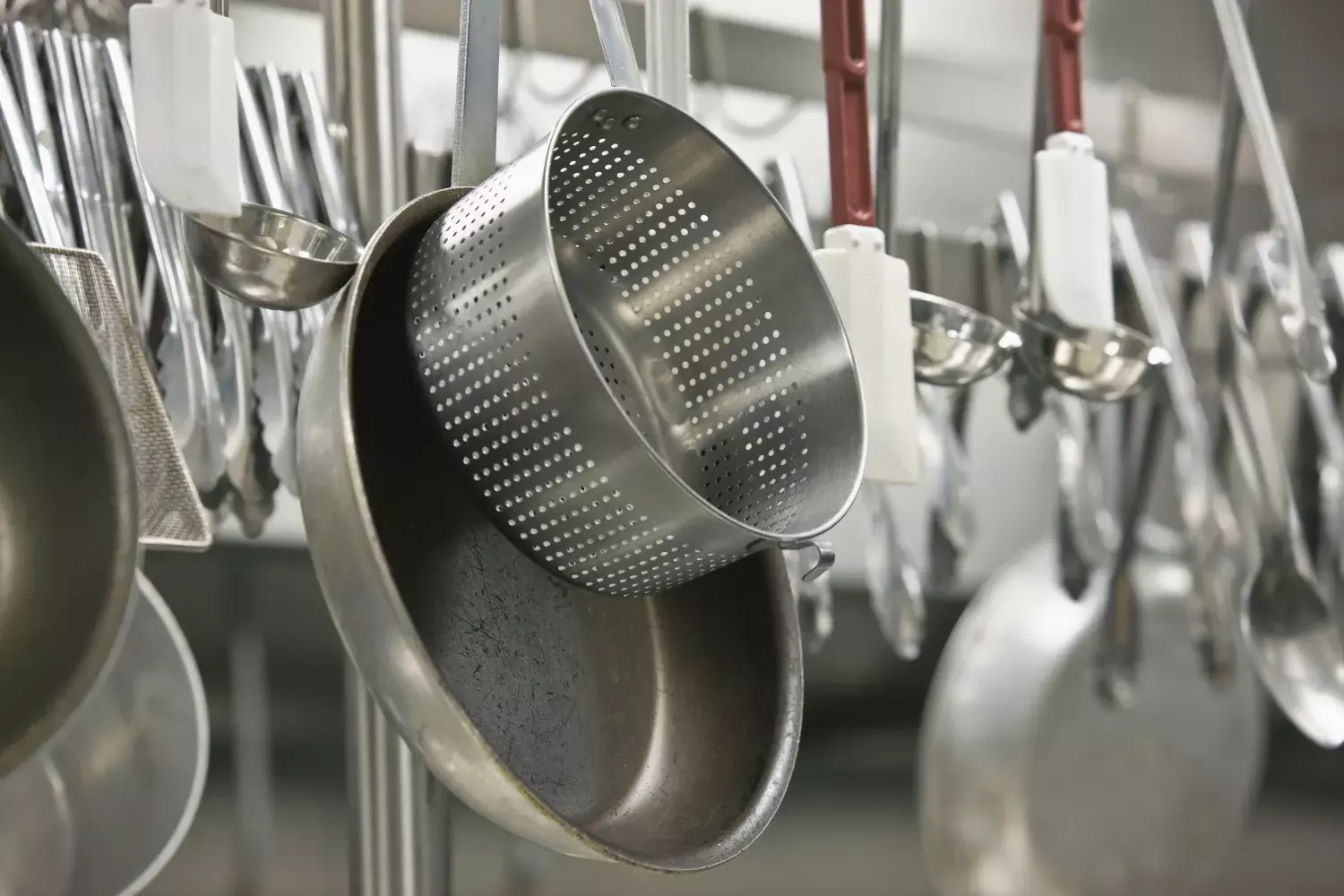
Against this backdrop of heightened vigilance, discerning home chefs are increasingly seeking out kitchen tools that promise safety without compromising culinary performance. Leading the charge in this shift are innovative manufacturers committed to producing high-quality, lead-free cookware. Among the most lauded options is the robust stainless steel variety, exemplified by a particular Calphalon set, celebrated for its uniform heat distribution and user-friendly design. For those preferring nonstick surfaces, Caraway's ceramic frying pans offer a compelling alternative, rigorously verified to be free of lead, PTFE, PFOA, PFAS, and cadmium, boasting remarkable longevity far surpassing conventional nonstick coatings. The enduring appeal of Lodge's seasoned cast-iron skillets also remains strong; these remarkably affordable and versatile pieces are lauded for their consistent cooking results and lifetime durability when properly maintained. Furthermore, the esteemed All-Clad D3 stainless steel frying pan, with its aluminum core for superior heat retention, continues to be a favorite among culinary enthusiasts. Finally, specialized designs like the Made In stainless steel saucier pan, with its gently rounded profile, offer unparalleled versatility for preparing a diverse array of dishes, from rich sauces to creamy risottos. The Our Place Titanium Always Pan Pro represents another leap forward, offering a slick, non-stick-like experience without relying on traditional coatings, through its innovative titanium surface and aluminum core. These carefully selected kitchen companions empower individuals to prepare nourishing meals with confidence, ensuring that every dish is not only delicious but also fundamentally safe for consumption.
This crucial pivot towards lead-free cookware underscores a profound transformation in consumer priorities. It reflects a heightened collective awareness regarding the subtle yet significant dangers posed by environmental contaminants in our daily lives. Beyond merely satisfying culinary requirements, the conscious selection of non-toxic kitchen implements is now viewed as an integral component of a holistic approach to personal and family health. This trend inspires optimism, demonstrating that consumer demand for transparency and safety can drive industries towards more responsible and health-conscious manufacturing practices. It highlights the power of informed choices in fostering a healthier, more mindful living environment for everyone.
About the author
Julia Child
Iconic chef, author, and TV personality who introduced French cuisine to the American public.