The Pitfalls of Poorly Designed Final Boss Encounters in Video Games
ByKim Swift
A game's ending, particularly the ultimate confrontation, plays a crucial role in a player's lasting impression. While an engaging beginning captures attention, a satisfying conclusion is essential for a truly memorable experience. This principle holds true across various entertainment forms, and video games are no exception. Often, the final boss serves as the peak challenge, testing all the skills and knowledge acquired throughout the adventure. It acts as both a dramatic climax for the narrative and a comprehensive skill assessment. However, when developers fail to execute these encounters effectively, the entire journey risks being undermined, leaving players with a sense of anti-climax rather than triumph.
Suboptimal final battles can manifest in several ways, each capable of marring an otherwise stellar game. Some bosses might be plagued by technical glitches or illogical mechanics that force players into unfamiliar and frustrating strategies, making losses feel like system failures rather than personal shortcomings. Conversely, an overly simple boss fight, reliant on easily exploitable gimmicks, can lead to an unearned victory that feels hollow. In either scenario, these underwhelming finales detract significantly from the game's overall impact, potentially making players regret the time invested. The disappointment can overshadow countless hours of enjoyable gameplay, illustrating how a stumble at the finish line can indeed overshadow a strong race.
The Impact of Inconsistent and Underwhelming Climaxes
The success of a video game often hinges on its ability to maintain player engagement from start to finish, and the final boss encounter is a critical component of this. When this ultimate challenge fails to align with the skills and strategies players have developed, it creates a jarring and dissatisfying experience. Instead of feeling a sense of accomplishment, players are left with frustration or a feeling of an unearned victory. This dissonance can fundamentally alter how the entire game is perceived, turning what could have been a legendary journey into a mere anecdote of missed potential. The examples highlighted, such as Batman: Arkham Asylum and Uncharted 4, demonstrate how straying from established gameplay mechanics or offering an overly simplistic challenge can diminish the culmination of a rich narrative.
An effectively designed final boss should synthesize all previous learning, demanding players to utilize their full arsenal of abilities in a challenging yet fair manner. When a boss fight introduces new, ill-conceived mechanics, or devolves into a repetitive quick-time event, it betrays the player's investment in mastering the game's core systems. For instance, the final confrontation in Batman: Arkham Asylum, despite the game's excellent combat, reduced the Joker to a generic "Titan" enemy, stripping away the psychological depth and tactical finesse expected from a battle with Batman's arch-nemesis. Similarly, Uncharted 4's concluding sword fight felt out of place for a series known for its gunplay and acrobatic exploration, forcing players into a scripted sequence that offered little genuine challenge or strategic depth. These cases exemplify how a mismatch between the final challenge and the game's established identity can lead to a deeply disappointing and anticlimactic resolution.
When Gameplay Disconnects and Unfair Mechanics Ruin the Finish Line
Several games have suffered from finales that either stray too far from their core gameplay principles or present challenges that feel inherently unfair or poorly executed. This disconnect often manifests in boss battles that demand skills not previously honed, or that are designed with frustrating hitboxes and mechanics. The result is often player exasperation, as hours of progress are capped by an encounter that feels less like a grand test and more like an arbitrary hurdle. This can leave a bitter taste, effectively sabotaging an otherwise strong gameplay loop and narrative, demonstrating that the manner in which a story concludes is just as vital as how it begins.
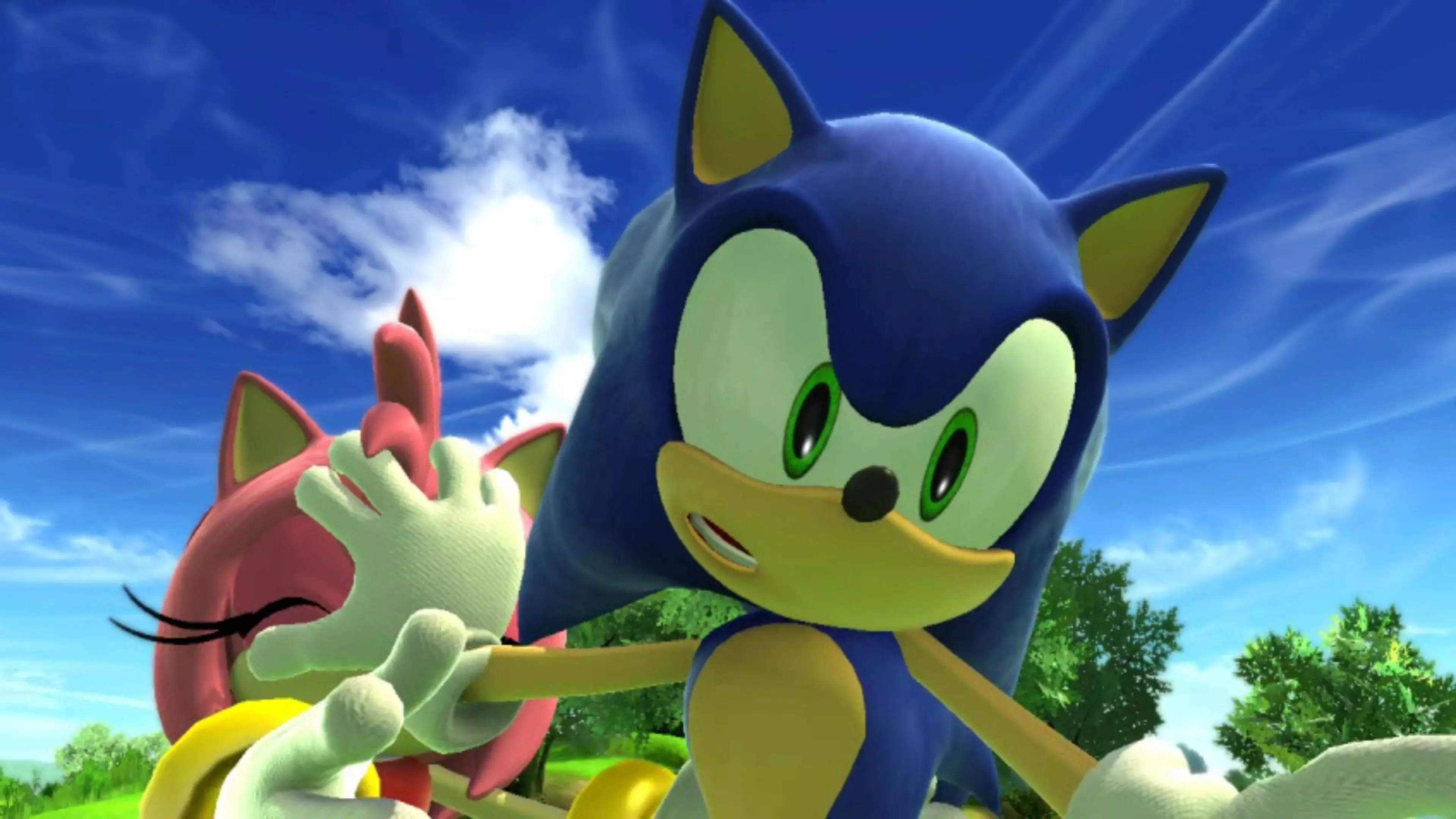
The issue of final bosses misaligning with game mechanics is vividly illustrated by titles like Sly Cooper: Thieves in Time, Gun, and Sonic Generations. In Sly Cooper: Thieves in Time, a series celebrated for its stealth and platforming, the final boss battle ironically became a simple quick-time event, sidelining the very skills players had spent the entire game refining. Gun, a Wild West shooter, ended with a boss requiring an unintuitive, explosive-based strategy against an armored foe, where precision shooting was rendered ineffective, making the experience both illogical and needlessly frustrating. Perhaps most egregious, Sonic Generations, a tribute to the franchise's speed, concluded with a chase sequence that felt agonizingly slow and unfair due to poorly implemented ring mechanics, transforming a celebratory finale into a tedious chore. These examples underscore how departing from a game's foundational mechanics or introducing unfair design choices in the ultimate challenge can drastically diminish player satisfaction, turning potential triumphs into frustrating letdowns and ultimately tarnishing the game's overall quality and legac
About the author
Kim Swift
Video game designer known for pioneering work on "Portal," focusing on innovative puzzle mechanics.