The Perilous Policy: Navigating School Absences in an Age of Heightened Scrutiny
ByJessica Lahey
The debate surrounding whether to send a mildly unwell child to school or keep them home is a common challenge for many parents, often complicated by school attendance regulations. This discussion explores the various factors influencing parental decisions, the unintended consequences of stringent attendance policies, and the importance of prioritizing a child's health while minimizing disruption to their education.
Balancing Wellness and Academic Demands: A Modern Parental Conundrum
When Symptoms Emerge: The Parental Predicament
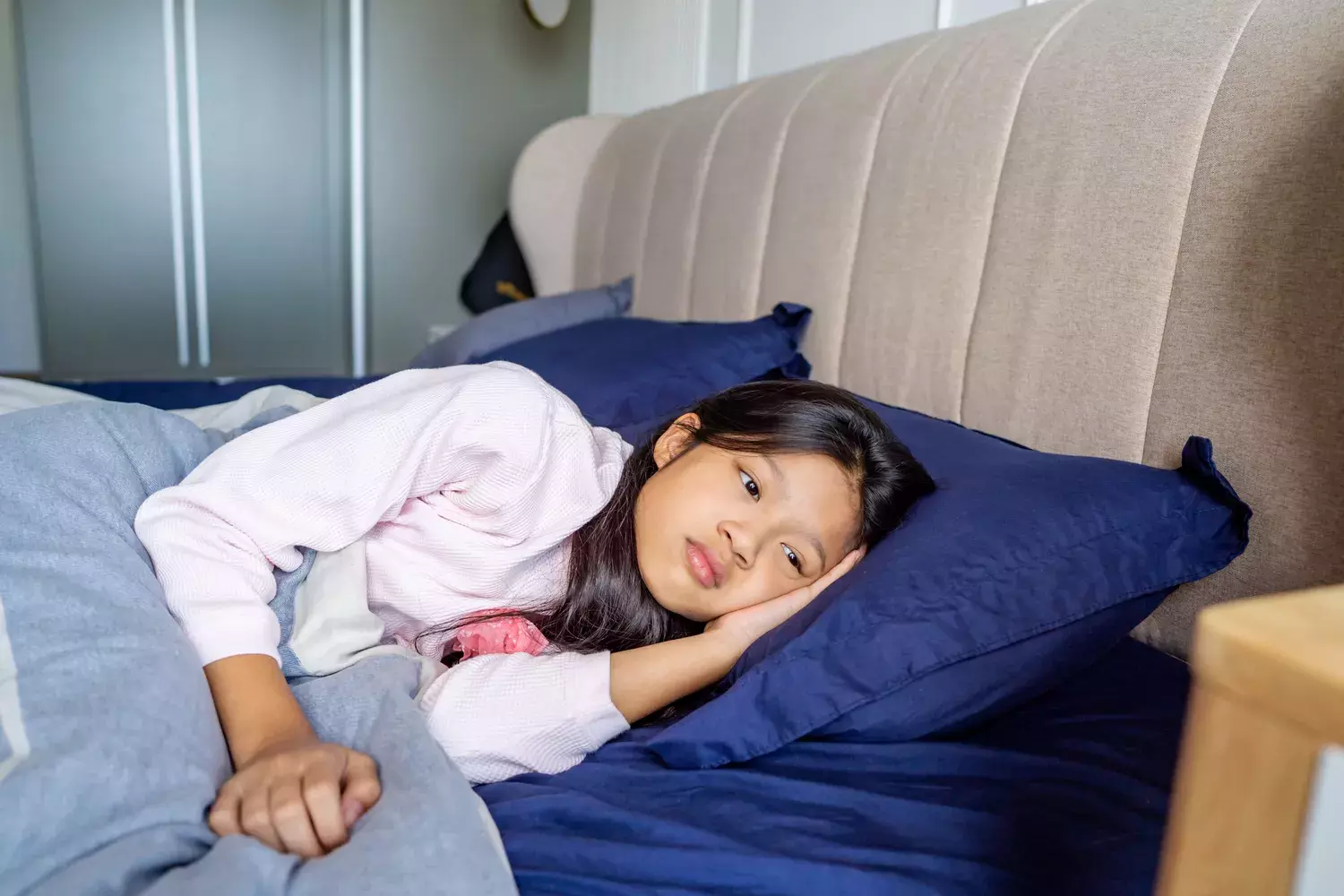
When a child awakens with mild symptoms like a runny nose or a general feeling of unwellness, parents often grapple with a tough decision: is their child genuinely too sick for school, or are they capable of enduring the day? This quandary forces parents to weigh the child's immediate comfort against the need to maintain routines and avoid unnecessary disruptions to their own schedules.
Differing Parental Responses to Childhood Illness
A recent survey reveals diverse approaches among parents when their children show signs of sickness. Over half of parents opt for caution, keeping their child home to ensure their full recovery. A smaller but significant portion chooses to send their child to school, hoping for the best. A very small percentage seeks professional medical advice before deciding.
The Economic Impact of Childcare and Frequent Illnesses
The financial strain of childcare significantly influences parents' decisions to keep sick children home. Given that children frequently experience common colds throughout the year, continuous absences can lead to considerable childcare expenses and logistical challenges for working parents.
Insights from Pediatric Experts on Navigating School Illnesses
A pediatrician and parent herself, Dr. Hailey Nelson acknowledges the inevitability of common childhood ailments during the school year. She emphasizes that managing these frequent illnesses is an intrinsic part of parenting through the academic calendar.
Attendance Policies: A Double-Edged Sword for Education and Health
Following a significant rise in chronic absenteeism post-COVID-19, many educational institutions have implemented stricter attendance policies. While the majority of parents understand the necessity of these policies for ensuring regular school attendance, a notable percentage feels they pressure parents into sending sick children to school, potentially exacerbating health issues and spreading illness.
The Detrimental Effects of Sending Sick Children to School
According to Dr. Christina Johns, a senior medical advisor, compelling sick children to attend school can hinder their recovery and lead to more severe health complications, including emergency department visits. Dehydration is a particular concern for children experiencing vomiting or diarrhea, as they may struggle to retain fluids.
Clear Guidelines for School Exclusion Based on Health
Medical professionals advise keeping children home if they exhibit symptoms such as a fever of 100.4°F or higher, diarrhea, or vomiting. Parents are urged to seek medical attention if their child's condition does not improve within a few days or if symptoms worsen.
The Ramifications of Excessive School Absences
The repercussions of frequent school absences vary. Most policies primarily target parents, often requiring notes or calls to explain absences, and sometimes demanding doctor's notes. Some schools adopt a more student-centric approach, imposing restrictions on extracurricular activities for students with poor attendance records.
Academic Pressure Versus Mental Well-being
Strict attendance policies can inadvertently foster a culture of perfectionism, leading to increased stress and potentially lower self-esteem among students. It is crucial that attendance policies do not create a punitive environment that negatively associates learning with guilt or pressure, especially given the rising concerns about children's mental health.
Proactive Measures for Minimizing Illness-Related Absences
Despite the challenges, parents can take proactive steps to reduce the likelihood of their children falling ill. Dr. Nelson stresses the importance of preventive measures, including regular handwashing and ensuring children receive timely well-child checkups and vaccinations, thereby mitigating the spread of infections.
About the author
Jessica Lahey
Author and educator writing on education, parenting, and fostering intrinsic motivation in kids.