The Perilous Path of Pop Culture Fashion: When Style Trumps Substance
ByGloria Vanderbilt
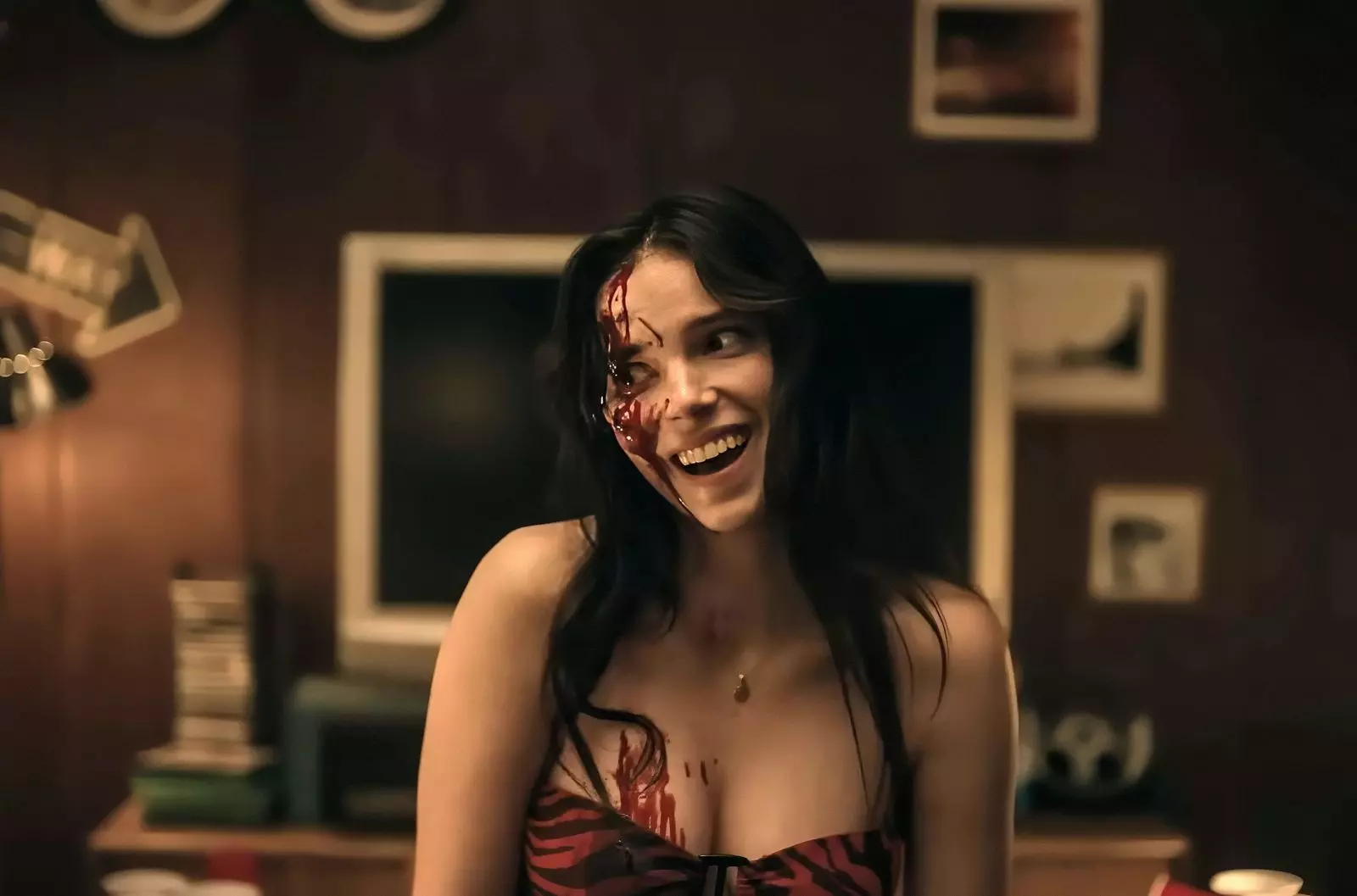
In an era where sartorial choices are increasingly influenced by cinematic and television narratives, a red zebra-print halter top from the recently acclaimed horror movie, Obsession, has become the latest phenomenon. Following the footsteps of items like Maddy Perez's cut-out dress from Euphoria and Barbie's signature pink ensembles, this particular garment has triggered a frenzy among consumers. The top, offered by the online retailer Princess Polly, boasts a distinctive deep V-cut and open-tie back, and has been in such high demand that it led to the brand's first-ever pre-sale event, accumulating a waitlist of over 27,000 individuals.
The burgeoning popularity of this item is largely amplified by platforms like TikTok, where unboxing videos and enthusiastic declarations of its iconic status as a future Halloween costume abound. Resellers have capitalized on this demand, listing the top for significantly inflated prices on secondary markets, while Princess Polly itself has shrewdly marketed the garment by referencing its viral movie appearance. However, as Obsession garners over $400 million at the box office, a crucial question emerges: what happens when a piece of clothing, originally symbolizing a character's intense desperation and psychological deterioration, transforms into a mere fashion statement, stripped of its profound narrative context?
Costume designer Blair James meticulously crafted Nikki's evolving wardrobe in Obsession to reflect her increasingly unsettling psychological state. Initially appearing rugged, Nikki's attire transitions to a more domesticated look, with the striking red halter top making its appearance as her erratic behavior escalates, signifying her bleak reality. James aimed for a jarring visual contrast, making it clear that the girl in the red top is far removed from her initial depiction. This phenomenon is not new; past instances, such as the desexualized depiction of female rage in Jennifer's Body or Carrie White's satin prom dress, have seen their nuanced meanings flattened into superficial trends or sexualized stereotypes by internet culture and the relentless pace of micro-trends, which, according to Pinterest data, now develop 4.4 times faster than they did seven years ago. Fashion and cultural historian Laura McLaws Helms notes a long-standing human tendency to separate the aesthetics from the moral implications or tragic origins of clothing items, an observation echoed by TikTok commentator Judith Omoregie, who highlights how social media blurs the line between observation and consumption, often diluting the original intent of a trend.
While it is natural for audiences to form emotional connections with characters through their wardrobe and seek to emulate their style, it is imperative to pause and reflect on the origins and deeper meanings behind these fashion choices. As crowds clamor for the Obsession top or any other film-inspired look, a conscious consideration of the context from which these items emerge is vital. By doing so, we can avoid falling into a cycle where powerful narratives and intricate costume designs are reduced to fleeting, intention-less trends, and instead, foster a more profound appreciation for the artistry and storytelling embedded within fashion. Embracing this mindful approach allows us to celebrate creativity while honoring the narratives that give clothing its true significance, promoting a culture of thoughtful engagement rather than superficial consumption.
About the author
Gloria Vanderbilt
Fashion designer, artist, and author, known for jeans and writing about style and her extraordinary life.