Pandora's Evolving Marketing Approach: Engaging a New Generation
ByAnna Wintour
Pandora, the globally renowned jewelry corporation, is undertaking a significant evolution in its marketing strategy, guided by its new CEO, Berta de Pablos-Barbier, and the recently promoted CMO, Jennie Farmer. Farmer's intense travel schedule and dedication reflect the brand's commitment to enhancing its worldwide marketing presence. Historically, Pandora focused its promotional campaigns on television, aiming to reach millennial, Gen X, and baby boomer consumers. However, over the past two years, there has been a deliberate shift to cultivate relevance among the highly influential Gen Z demographic. This pivot is seen as crucial for creating a ripple effect that extends to other audience segments, marking a new chapter in Pandora's outreach efforts.
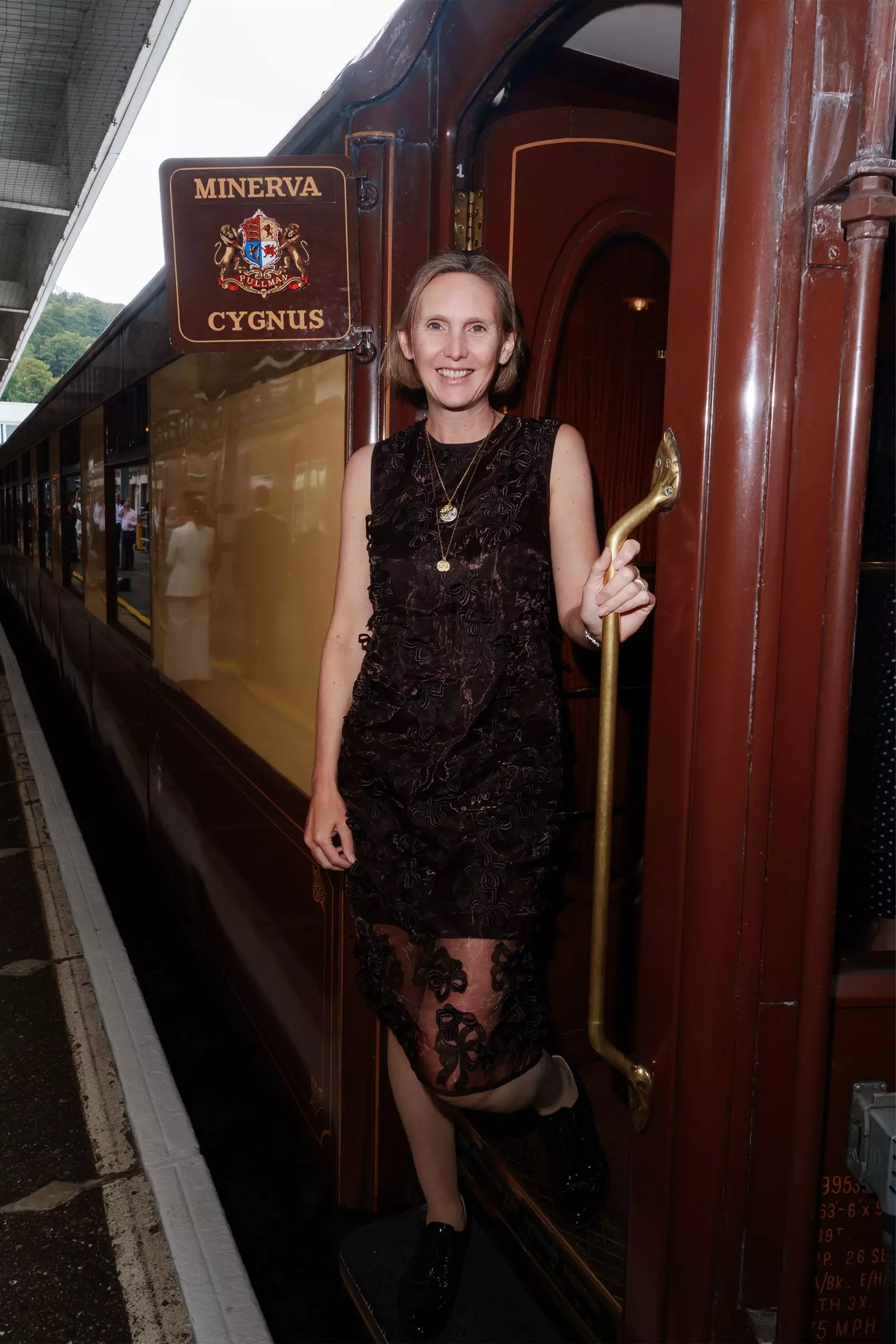
Pandora's financial performance has demonstrated robust growth, with a compound annual growth rate of 8.6% over the last half-decade, culminating in record revenues in 2025. Despite this impressive expansion, the company experienced a slight dip in organic growth, partly attributed to fluctuations in precious metal prices. To sustain its upward trajectory, Pandora is heavily investing in marketing initiatives, with a core element of Farmer’s strategy being a closer alignment with high fashion. This includes sponsoring major fashion events like Copenhagen Fashion Week and the British Fashion Council's Fashion Awards, along with experiential events such as a Pullman train journey to launch new collections. These high-profile engagements, however, are carefully balanced with Pandora's self-perception as a jewelry brand that emphasizes personal storytelling and self-expression, rather than a direct competitor in the fashion industry.
The leadership team, with their extensive backgrounds in luxury brands, understands the power of cultural and fashion moments in generating buzz and engagement. They are rebalancing media investments towards digital channels and advocacy, aiming to encourage user-generated content and authentic conversations around the brand. This approach is evident in meticulously planned events, from elaborate dinners to pop-up installations like the one in Tokyo's Shibuya district, all designed to be highly shareable and culturally resonant. Pandora also actively monitors consumer trends, such as the rising interest in spirituality, and integrates them into new collections like the zodiac-inspired Talisman line. While such activations require substantial investment, Pandora measures their success not just by conversion rates, but by their ability to spark genuine conversations and enhance brand relevance, ultimately forging deeper connections with a diverse consumer base.
Through its renewed focus on cultural engagement, strategic collaborations, and a commitment to authentic storytelling, Pandora is not merely selling jewelry; it is fostering a community where personal expression and connection thrive, ensuring its legacy as a beloved brand for generations to come.
About the author
Anna Wintour
Legendary editor-in-chief of Vogue and global fashion authority.