Overwatch Developers Address Skin Distribution Concerns, Balancing Player Desires with Business Needs
ByMark Rosewater
In the dynamic world of online gaming, the distribution of cosmetic items, particularly character skins, often sparks lively debate among players. For "Overwatch," a popular free-to-play title boasting a roster of 54 heroes, this issue is particularly salient. The development studio, Team 4, has publicly addressed concerns about the perceived imbalance in skin releases, shedding light on the intricate balance between creative ambition and financial realities.
Details of the Cosmetic Strategy Unveiled by "Overwatch" Developers
During a recent group interview, Game Director Aaron Keller elaborated on the studio's approach to cosmetic content. He explained that as the game continuously expands with new heroes and maps, the resources for developing new skins become more spread out. Consequently, the team must strategically focus on creating cosmetics for characters that are likely to generate significant revenue. This commercial imperative ensures the game's sustainability, as "Overwatch" relies heavily on cosmetic sales for its free-to-play model.
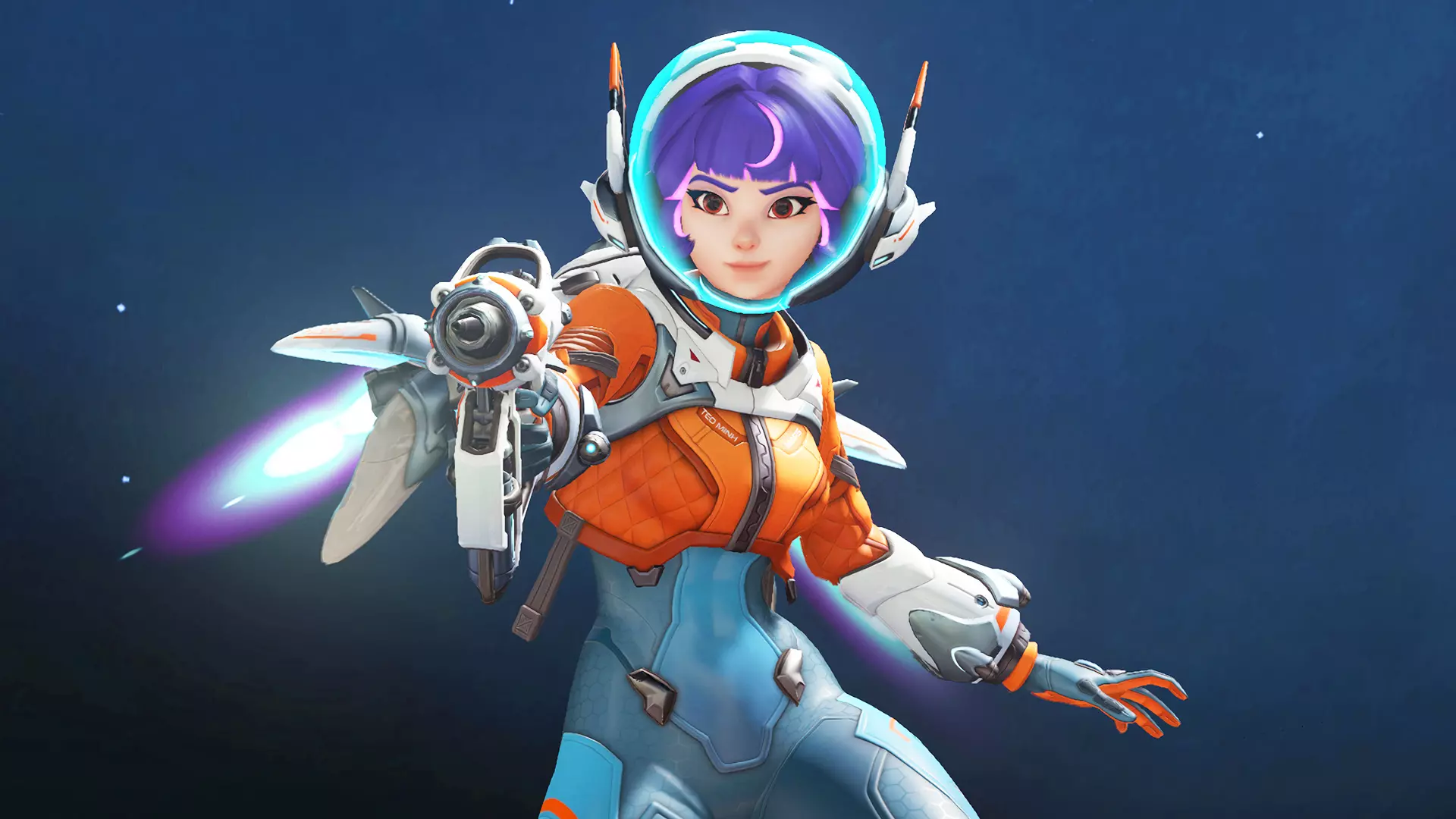
Keller highlighted two primary categories of heroes that frequently receive new skins. The first includes widely played characters such as Ana, Genji, and Soldier 76, whose broad appeal translates into higher sales potential. The second category comprises fan favorites like Mercy, Kiriko, and Juno, who possess dedicated player bases willing to invest in their cosmetic enhancements. While this strategy prioritizes financial viability, Team 4 has also demonstrated a commitment to expanding its capacity for creating skins across the entire hero lineup, including newer additions like Anran, Freyja, and Vendetta, who have recently featured in collaborative skin events.
A crucial aspect of this strategy is the "pay-it-forward" system, where the success of high-selling skins allows the team to allocate resources to develop cosmetics for less commercially lucrative heroes. This is most evident in the seasonal Mythic skins. Typically, one Mythic skin is designed for a hero with strong sales potential, directly supporting the game's financial bottom line. The other Mythic skin is often dedicated to a character who hasn't received many new cosmetics recently, demonstrating an effort to cater to a wider audience and acknowledge varied player preferences. Keller emphasized the importance of making responsible financial decisions to ensure the long-term support and evolution of the game, assuring players that while commercial considerations are vital, the team remains dedicated to delivering diverse and engaging content.
Reflections on Game Development and Player Expectations
The insights from the "Overwatch" development team offer a valuable perspective on the complexities of modern game development, particularly for free-to-play titles. It's a reminder that while player desires for content are strong, studios operate within a commercial framework where profitability is essential for survival and continued innovation. This balance requires careful navigation, as developers strive to both delight their audience and maintain a sustainable business model. For players, understanding these constraints can foster greater appreciation for the content they receive, recognizing that each new skin, hero, or map is not just a creative endeavor but also a strategic business decision that contributes to the ongoing life of their favorite game.
About the author
Mark Rosewater
Head designer for "Magic: The Gathering" and author of long-running insights on game design.