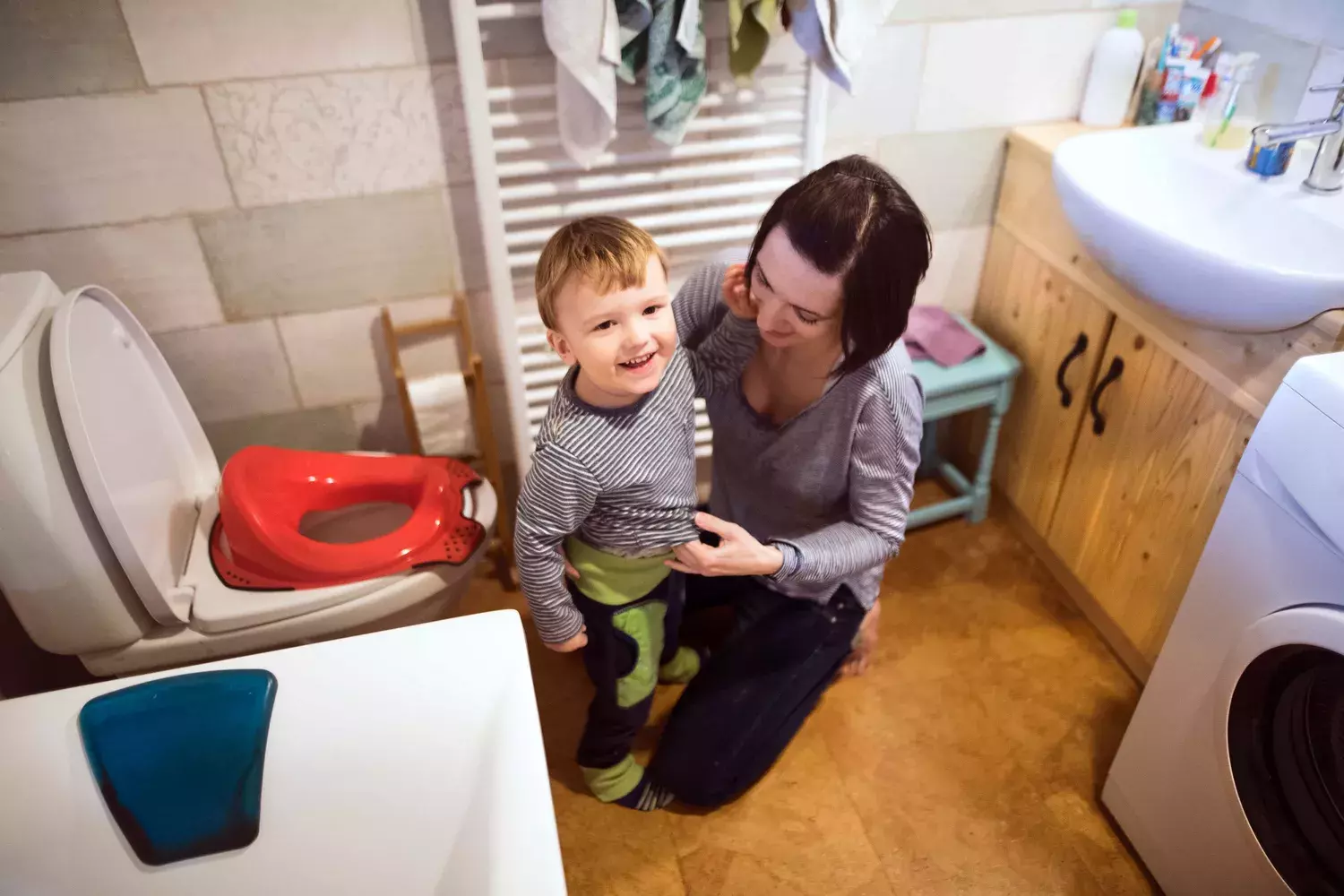
Overcoming Functional Constipation in Toddlers: A Parent's Guide
ByCathy Glass
This article chronicles a parent's journey in addressing their son's functional constipation, a condition where children intentionally hold their stool. The narrative highlights the challenges faced after a family relocation disrupted the child's routine, leading to a significant change in his bathroom habits. It delves into the various reasons children might exhibit this behavior, such as fear, a need for control, or developmental factors, and explains how this can result in discomfort and further complications. The piece also explores medical and behavioral interventions, including the use of gentle laxatives and innovative parenting strategies, emphasizing the importance of creating a supportive and understanding environment to help children overcome this common issue.
The author's personal experience began following a family move, which profoundly impacted her son's previously consistent bathroom schedule. What was once a predictable routine, complete with specific habits, became a source of concern. Within ten days of their move from Florida to New Jersey, the child's bowel movements ceased, culminating in an emergency room visit where it was confirmed he was intentionally withholding stool. This incident marked the beginning of the mother's intensive research and efforts to understand and resolve her son's condition.
Functional constipation, as defined by medical experts, refers to constipation without an underlying physical cause. This phenomenon is often attributed to psychological or behavioral factors. Experts suggest that children might resist using the toilet due to a sense of wanting control, developmental phases, or even fear. For instance, some children are intimidated by the toilet's size, the flushing sound, or the perceived risk of falling in. Additionally, a strong desire to continue playing can lead children to delay or suppress the urge to defecate, further exacerbating the problem.
The consequences of children holding their stool can be significant. When stool is retained, it can harden, making subsequent bowel movements painful, which in turn reinforces the child's reluctance to go. This cycle can lead to a build-up of stool, causing leakage and other symptoms like abdominal pain and nausea. It's crucial to distinguish between occasional functional constipation and chronic constipation, the latter often requiring a more thorough medical evaluation. Parents are advised to consult a doctor if their child experiences fewer than two bowel movements per week, exhibits stool leakage, or passes large, hard, and painful stools.
The medical advice received by the author's son focused on oral treatments rather than repeated enemas, which could be traumatizing. Miralax, a polyethylene glycol-based laxative, was recommended due to its ability to soften stool by drawing water into the bowel, making it easier to pass. Despite past concerns regarding Miralax's safety and potential for dependence or behavioral issues, leading pediatric organizations confirm its safety and efficacy for occasional use in children with functional constipation. It is not absorbed by the gut and does not lead to dependence.
Alongside medical interventions, the author explored alternative and behavioral strategies. Mineral oil, an older remedy, was suggested by a physician, functioning similarly to Miralax by lubricating the stool without being absorbed. However, its use in young children requires caution due to aspiration risks. The author also adopted a multi-faceted approach involving extensive discussions with her son about the importance of daily bowel movements, reading educational books about digestion, and implementing a reward chart to incentivize regular bathroom habits.
A particularly effective behavioral tactic involved having her son "help" older cousins who pretended to struggle with pooping. This strategy, endorsed by child psychiatrists, leveraged children's natural inclination to emulate and assist older peers. By positioning her son as an "expert" and successful helper, it shifted the focus from his own difficulties, boosting his confidence and encouraging him to follow his own advice. This unique approach, combined with dietary adjustments like increased fiber intake and the introduction of aloe water and probiotics after mineral oil caused a skin reaction, ultimately helped her son overcome his constipation.
The experience underscored that every child's journey with functional constipation is unique, and a flexible, compassionate approach is key. The author's daily efforts continue to revolve around positive reinforcement and making bathroom time a fun and competitive activity, acknowledging that overcoming this challenge is an ongoing process that requires patience and creativity.
About the author
Cathy Glass
Pseudonym for a foster carer and author of many memoirs offering insight into childcare and trauma.