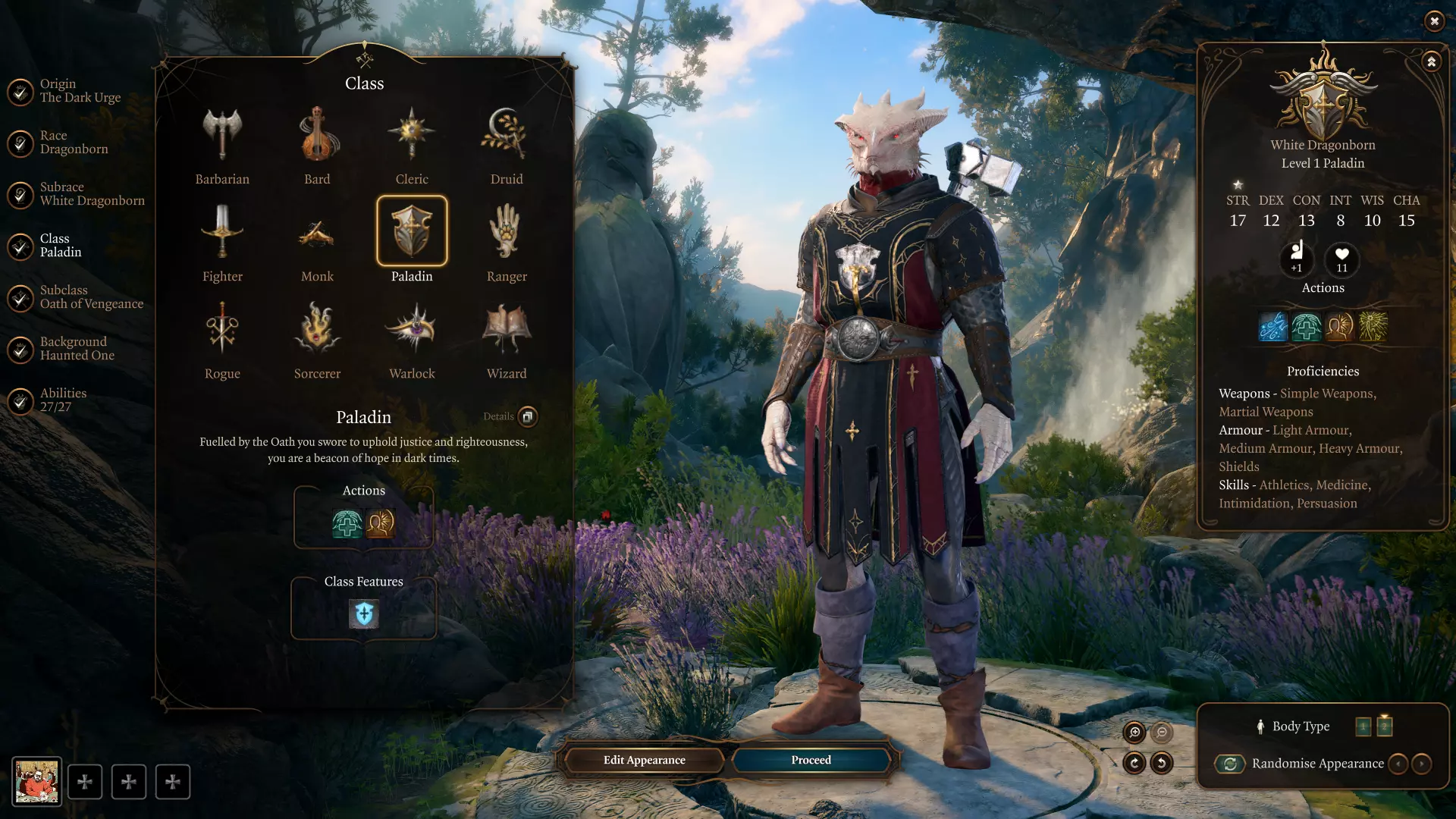
A notable portion of players embarking on the epic journey of Baldur's Gate 3 find themselves pausing their adventures before advancing past the initial act. This common occurrence, often termed 'Restart-itis' by the gaming community, highlights how a significant number of players, despite clearing the introductory tutorial, do not progress to Act 2. This behavior can be attributed to several factors, including the inherent appeal of character customization, a shift in the game's atmosphere, and the intricate learning curve associated with its Dungeons & Dragons mechanics. Understanding these elements can shed light on why players frequently begin new playthroughs and how they might overcome these hurdles to fully explore the game's rich narrative.
Delving into the Phenomenon of Baldur's Gate 3's Early Exits
Data from Steam reveals that while a vast majority of Baldur's Gate 3 players conquer the opening Nautiloid sequence, fewer than half continue into the second act. This trend is not necessarily indicative of disinterest, but rather points to unique player behaviors. One prominent reason is the sheer depth of character creation, where players often find themselves drawn to new character concepts, leading them to abandon current saves to pursue a fresh start. This 'shiny object syndrome' means players frequently restart rather than concluding their ongoing campaigns. Furthermore, the game's shift from Act 1's vibrant, high-fantasy setting to Act 2's darker, Shadow-Cursed Lands can be jarring for some, leading to a loss of engagement. The complexities of Dungeons & Dragons 5th Edition rules, not always designed for rapid video game pacing, also contribute to player frustration, especially for newcomers who might create suboptimal characters. This often results in players feeling unprepared for the increased difficulty as they approach the transition into Act 2. To combat this, players are encouraged to pre-plan their character builds, focus on specific companion storylines to provide direction, or try innovative replay strategies like mods or self-imposed challenges to keep the early game fresh. Setting clear, achievable checkpoints can also help players maintain momentum. Ultimately, embracing the full narrative, including the pivotal character arcs of companions like Karlach, Wyll, and Astarion, offers a more complete and rewarding experience, even if it means moving past the comfort of repeated new beginnings.
This phenomenon underscores the unique relationship players have with expansive role-playing games. It highlights a common struggle between the allure of endless possibilities and the commitment required to see a story through to its conclusion. For many, the joy lies in the creation and initial exploration, yet the deepest narrative and emotional payoffs are reserved for those who persist. It serves as a reminder that sometimes, the most rewarding experiences come from pushing past familiar territory and embracing the unforeseen challenges and resolutions that lie ahead.
About the author
Mark Rosewater
Head designer for "Magic: The Gathering" and author of long-running insights on game design.