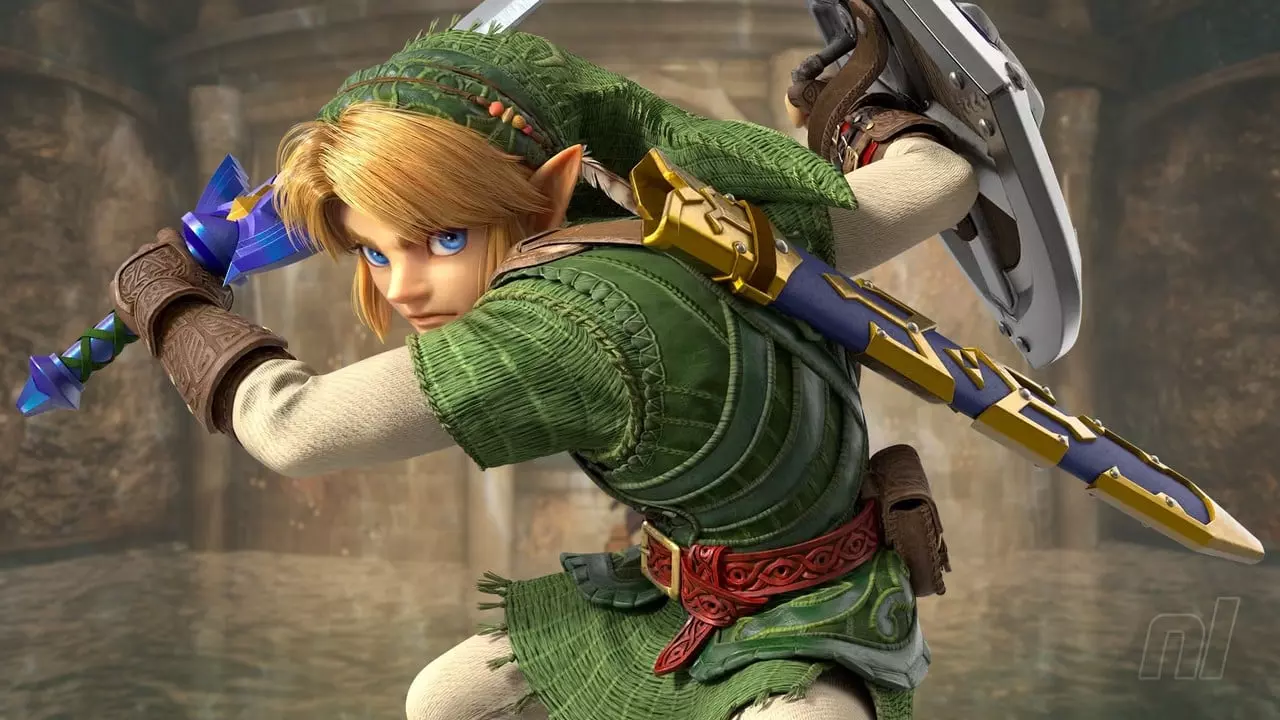
Ocarina of Time Remake: Water Temple Enhancements Revealed
ByReiner Knizia
The notorious Water Temple from The Legend of Zelda: Ocarina of Time is receiving substantial revisions in its upcoming Switch 2 remake, as confirmed by series producer Eiji Aonuma and director HokWai Ng. Aonuma, who has long acknowledged the original dungeon's challenges, expressed his desire to refine the experience he created nearly three decades ago. These updates aim to alleviate player frustrations while maintaining the core essence of the underwater environment.
Key enhancements in the Switch 2 version focus on improving user interface and spatial awareness. Item management has been significantly simplified, with essential tools now assignable to the D-pad, mirroring the intuitive controls found in the 3DS iteration. Furthermore, the development team has introduced structural modifications, replacing some solid walls with lattice-style designs. This change allows players to see adjacent areas, fostering a better understanding of the dungeon's layout and reducing the likelihood of disorientation. Aonuma originally envisioned the Water Temple as a unique exploration of an underwater world, inspired by his love for freediving and the distinct sensations it offers, a vision that these new adjustments aim to uphold with greater clarity.
These refinements follow previous attempts to improve the Water Temple, such as the 3DS version's touchscreen integration for Iron Boots and added directional cues. Despite the criticisms, some fans appreciate the original Water Temple's challenging nature. The forthcoming Switch 2 release will offer a new opportunity for players to experience this iconic dungeon, balancing the original's immersive qualities with modern gameplay conveniences, allowing for a more enjoyable and less perplexing journey through its watery depths.
This dedication to refining classic experiences demonstrates a commitment to both innovation and respecting the legacy of beloved games. By addressing past criticisms with thoughtful improvements, developers can create updated versions that resonate with both long-time fans and new players, ensuring that the magic of these virtual worlds continues to inspire and engage audiences for generations to come. Such meticulous attention to detail elevates the art of game design, transforming potential frustrations into opportunities for enhanced enjoyment and immersion.
About the author
Reiner Knizia
Prolific and award-winning board game designer with a PhD in mathematics, known for elegant game mechanics.