Nivalis Nights: A Shop Sim Carried by its Characters
ByAmy Hennig
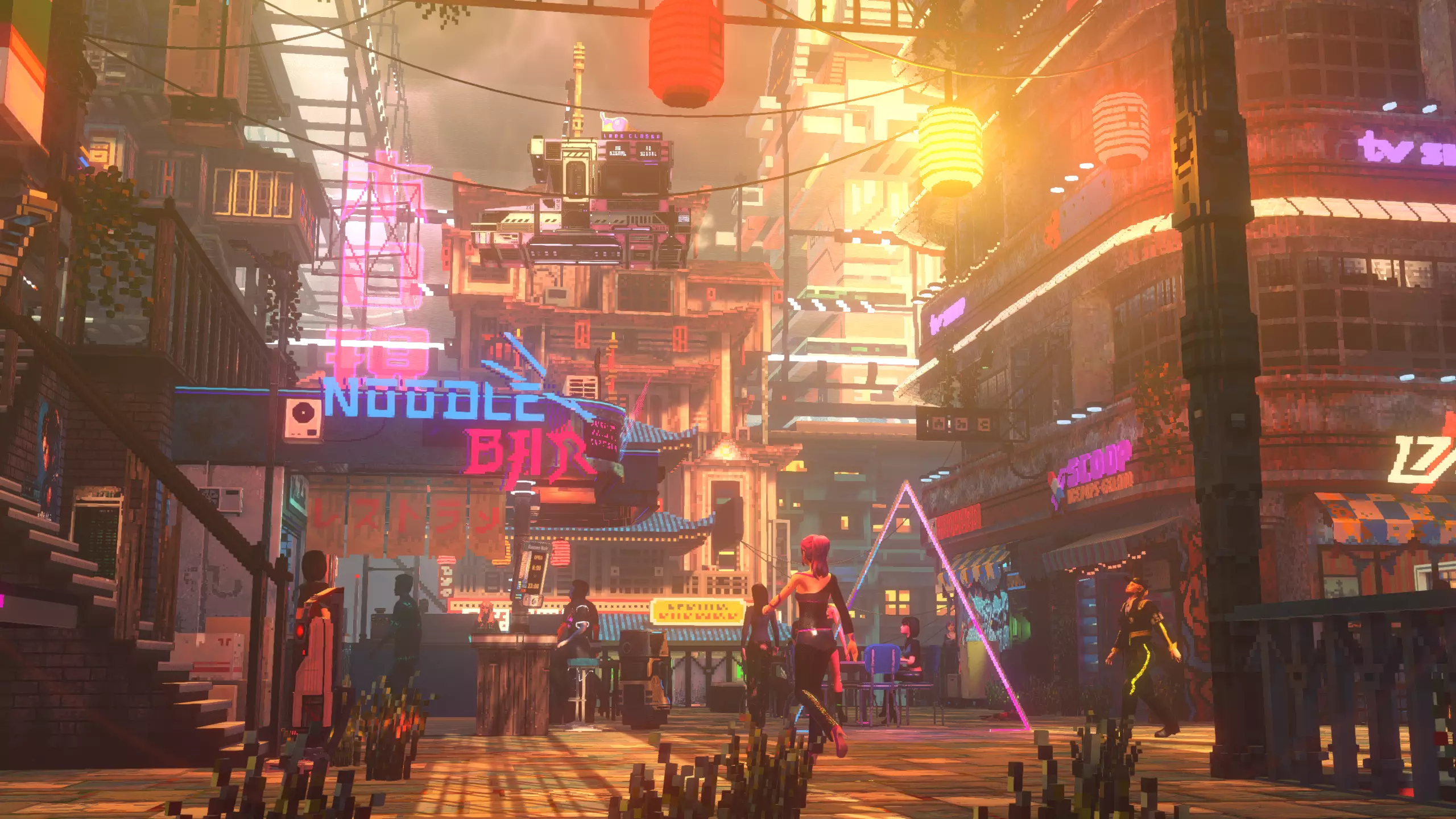
Nivalis Nights immerses players in an expansive, neon-drenched cyberpunk metropolis, deliberately designed to overwhelm and reflect a hyper-capitalist reality. The city, inherently unmappable, is navigated via a compass cluttered with over twenty active quest markers, mirroring the dense, bustling alleyways filled with countless citizens moving between towering residential blocks and exotic fusion eateries. The core gameplay revolves around the player inheriting "Ramen Noir," a struggling noodle bar burdened by a massive 50,000 Lim debt from an absconding friend, Thaddeus. This initial burden quickly escalates with a myriad of additional responsibilities and mysteries: a bequeathed greenhouse, a boat from a character named Crabface, requests for specific mushroom cultivation, donut recipe critiques, a sentient vacuum seeking refuge, and demands from CorpSec to expand business operations. All of this unfolds against the backdrop of a serial killer targeting the heavily indebted, a demographic the player regrettably belongs to. The daily grind often involves a relentless cycle of sourcing cheap, nearly-expired ingredients from markets, assisting staff during peak hours, and constantly seeking ways to turn a profit just to manage the overwhelming debt and complex web of quests.
While Nivalis Nights presents itself as a "slice-of-life" simulation, blending elements of life management, shop operation, open-world exploration, and farming with a surprisingly deep narrative, its initial hours can feel like a genre mash-up with significant caveats. The city's visually stunning and vertically intricate design promises exciting exploration, yet actual incentives to wander beyond finding vendors or broken fuse boxes are limited. Shop management, despite offering nuanced recipe customization and kitchen optimization, can become monotonous due to repetitive customer interactions and clunky first-person cooking animations. Decorating, a seemingly appealing feature with its free-form placement, proves to be finicky without grid snapping, and financial constraints often hinder aesthetic indulgences. Even the romance options, while present, offer brief encounters without substantial follow-through. Despite these mechanical shortcomings, the game's true brilliance emerges from its extensive cast of over 120 fully voice-acted characters, each with unique stories and quests that weave together into a rich narrative tapestry. These characters range from humorous corporate satires to genuinely poignant figures struggling with generational debt, transforming from simple archetypes into deeply relatable individuals whose lives are intricately linked within the city's complex social fabric.
Ultimately, the vibrant personalities and intricate narratives of Nivalis Nights' characters are its crowning achievement, elevating what might otherwise be a decent but flawed simulation game into a memorable experience. The sheer volume and depth of these characters, coupled with their excellent vocal performances, breathe life into the city's smog-filled, techno-dystopian setting. The intertwining quests and personal stories, ranging from comedic to tragic, create a powerful motivation for players to navigate the labyrinthine districts, uncovering new connections and propelling the overarching plot of a debt-driven serial killer. While the shop management, decorating, and romance elements are adequate, they serve primarily as a backdrop for the compelling human (and non-human) drama unfolding within Nivalis. This world, a hyper-capitalist nightmare where even pet consciousness can be transferred and generational debt looms large, becomes a rich narrative playground. The enduring impression is not from its simulation mechanics, but from the rich tapestry of lives and the profound sense of place created by its diverse and fascinating inhabitants.
Nivalis Nights showcases that even within a simulated world, the human element—the stories, struggles, and connections between characters—can create an experience that transcends its mechanical limitations. It reminds us that empathy and understanding of diverse perspectives are crucial, fostering a sense of connection even in the most dystopian settings. This narrative depth encourages players to look beyond the surface, to appreciate the individual journeys within a larger, often oppressive, system, ultimately reinforcing the value of every story and every struggle in our collective human experience.
About the author
Amy Hennig
Renowned video game writer and director, known for her narrative work on the "Uncharted" series.