Navigating the Crossroads in Order of the Sinking Star: A Beginner's Guide
ByMark Rosewater
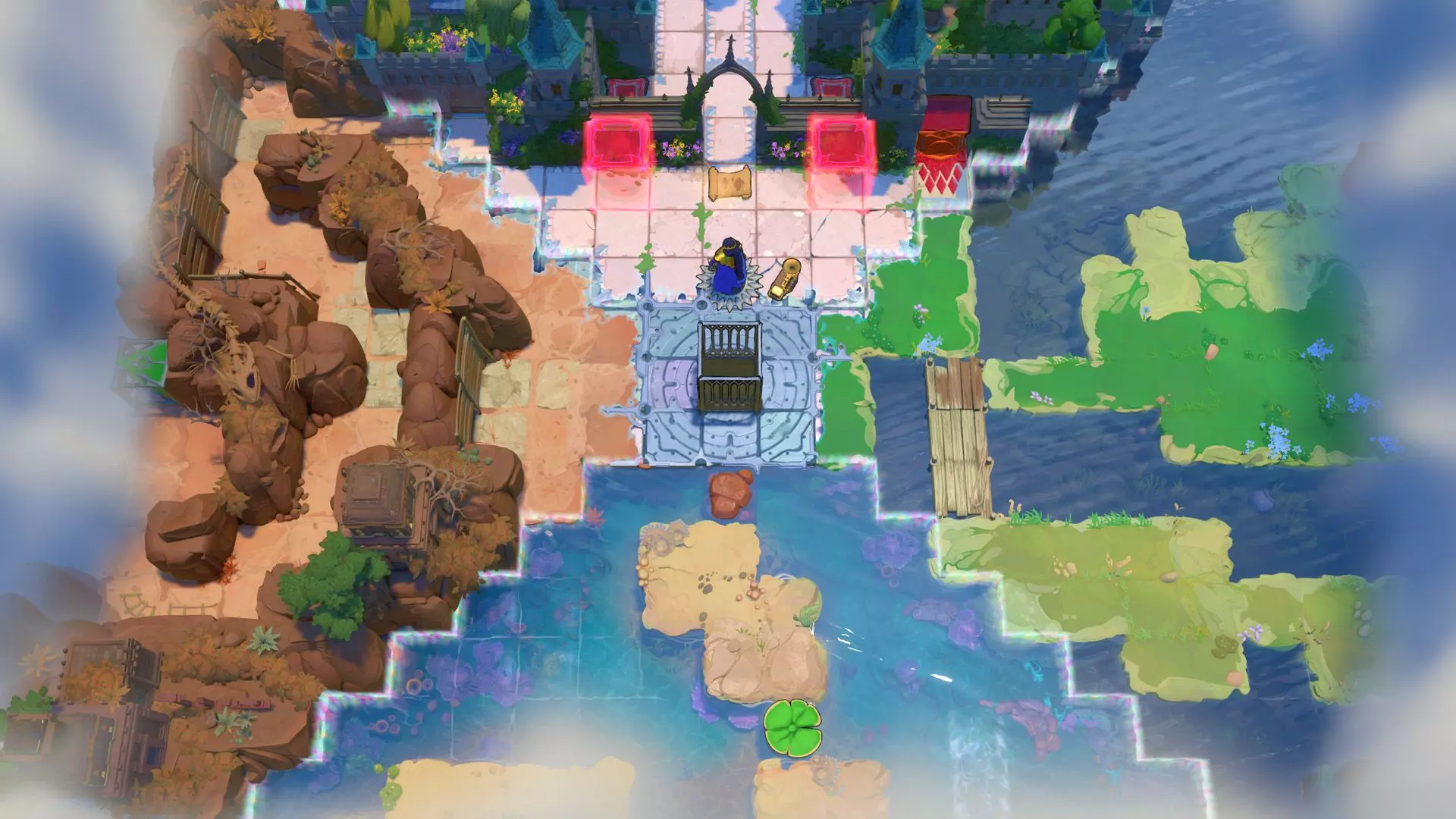
When players arrive at the central Crossroads in the expansive world of Order of the Sinking Star, they are presented with four distinct paths: north, east, south, and west. This initial freedom can be both exhilarating and daunting. While an in-game recording suggests heading north or east and avoiding the west, understanding the unique characteristics of each direction is crucial for an optimal early game experience. This guide will elaborate on the advantages of beginning your journey in the northern or eastern regions, which are designed to introduce the game's mechanics through accessible puzzles.
The game's vastness implies that a well-chosen starting point can significantly enhance player immersion and progression. The north and east sectors serve as excellent training grounds, featuring puzzle types that gently escalate in complexity. Conversely, the southern and especially western paths introduce more intricate challenges that might overwhelm newcomers. By strategically choosing their initial direction, players can better prepare for the advanced sections of Order of the Sinking Star, ensuring a more enjoyable and less frustrating adventure.
Optimal Starting Paths: North and East Exploration
For those embarking on their journey in Order of the Sinking Star, the northern and eastern paths from the Crossroads are highly recommended. These areas are specifically designed to introduce players to the game's mechanics through progressively easier puzzles, allowing for a smooth and engaging learning curve. The northern path leads to the Heroes of Hauling, an area inspired by Heroes of Sokoban, where players learn to manage a team of three distinct heroes, each possessing unique abilities. This introduces the concept of strategic character swapping and ability utilization to solve environmental challenges effectively.
Similarly, the eastern path, which takes players to The Mirror Isles, draws inspiration from Alan Hazelden's Mirror Isles. Here, the core mechanic involves manipulating mirrors to reflect a player's image, enabling teleportation across gaps and through obstacles. Initial puzzles in this region start with basic mirror adjustments and rock movements, gradually incorporating multiple mirrors to increase complexity. These gentle introductions ensure that players can comfortably adapt to the puzzle-solving demands without feeling overwhelmed, fostering a sense of accomplishment as they master new skills before confronting more formidable challenges.
Challenging Routes: South and West Expeditions
While the north and east provide a welcoming entry into Order of the Sinking Star, the southern and western routes are reserved for players seeking more significant challenges. The southern path, leading to Skipping Stones to Lonely Homes, is also inspired by Alan Hazelden's work and requires players to skillfully push rocks into water to create bridges or paths across lily pads. These puzzles demand precision and timing, making them noticeably more difficult than those found in the initial zones. The intricate nature of these challenges makes the south a better choice after players have honed their basic problem-solving skills in less demanding areas.
The western path, Vault of the Beamcasters, based on Sean Barrett's Promesst, represents the game's most formidable challenge. This area functions almost as a mini-Metroidvania, plunging players into a complex, winding maze where they must collect gems and strategically place them next to colored arrows. These gems grant characters new powers, akin to the hero abilities in the northern region, but the process of exploring, finding gems, and unlocking further areas is profoundly intricate. This path is unequivocally not for beginners, as it assumes a level of expertise and familiarity with the game's mechanics that new players would not yet possess, making it essential to avoid until a solid foundation has been established.
About the author
Mark Rosewater
Head designer for "Magic: The Gathering" and author of long-running insights on game design.