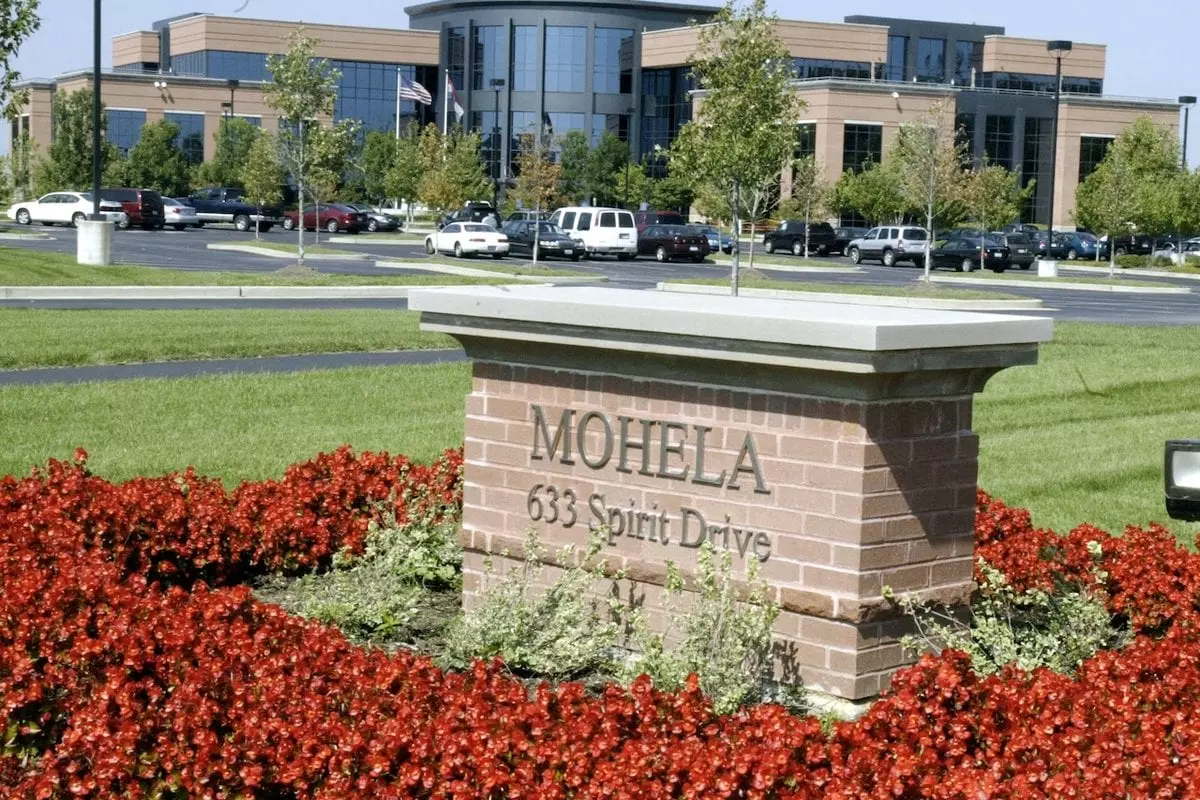
MOHELA's IBR Enrollment Error: Essential Guidance for Federal Student Loan Borrowers
ByDave Ramsey
The student loan landscape is experiencing a significant disruption as MOHELA, a primary federal loan servicer, has begun informing a segment of its borrowers about an enrollment misstep regarding their Income-Based Repayment (IBR) plans. These individuals were erroneously placed into the post-2014 IBR program despite qualifying solely for the original, pre-2014 version. This administrative oversight mandates affected borrowers to choose an alternative repayment strategy within a strict 90-day period. Failure to act will result in automatic transfer to the Standard Repayment Plan, which typically incurs higher monthly obligations. This unexpected change has prompted a need for urgent action and careful consideration of available options to avoid detrimental financial impacts on student loan holders.
Borrowers facing this unexpected change have several critical options to consider, each with distinct financial implications and benefits for loan forgiveness programs like PSLF. One primary path is to reapply for the original IBR plan, which calculates payments at 15% of discretionary income, as opposed to the 10% rate of the newer plan. Alternatively, many borrowers may find the Repayment Assistance Plan (RAP) to be a more financially advantageous choice, often leading to lower monthly payments, ranging from 1% to 10% of Adjusted Gross Income (AGI). It is crucial for borrowers to meticulously compare these plans, utilizing available calculators, and to document their current PSLF and IDR payment counts to safeguard against potential future discrepancies, as both old IBR and RAP contribute to PSLF eligibility.
This recent IBR enrollment issue underscores a broader pattern of concerns surrounding MOHELA's service quality, which has consistently attracted a high volume of borrower complaints regarding incorrect information and administrative errors. Given this context, affected borrowers are strongly advised to proactively manage their accounts by carefully reviewing all notices, selecting a new repayment plan before the stipulated deadline, and maintaining thorough records of all communications and account details. Engaging with federal oversight bodies, such as the FSA Feedback Center or CFPB, and even contacting elected representatives, can also be vital steps if incorrect information or unresolved issues persist, ensuring accountability and protecting borrower rights in the complex student loan environment.
Navigating the complexities of student loan repayment, especially when faced with administrative errors, can be daunting. However, by staying informed, acting decisively, and advocating for one's rights, borrowers can effectively manage these challenges. This situation highlights the importance of vigilance and proactive engagement with financial obligations, reinforcing the principle that informed citizens can overcome systemic hurdles. Ultimately, ensuring fair and accurate loan servicing is not just a matter of policy, but a fundamental aspect of supporting educational advancement and financial well-being for all.
About the author
Dave Ramsey
Radio host and author promoting debt-free living through his "Baby Steps" program.