Microsoft's Gaming Division Under Scrutiny: Executive Decisions on Studio Mergers and Layoffs Spark Controversy
ByKim Swift
Recent organizational shifts within Microsoft's gaming empire have drawn considerable attention and sparked a flurry of questions across the industry. The company's latest actions, involving further workforce reductions and the consolidation of key game development studios, are being viewed by many as puzzling and potentially detrimental to the creative landscape it has sought to cultivate through its acquisitions.
Gaming Industry Reacts to Microsoft's Latest Restructuring
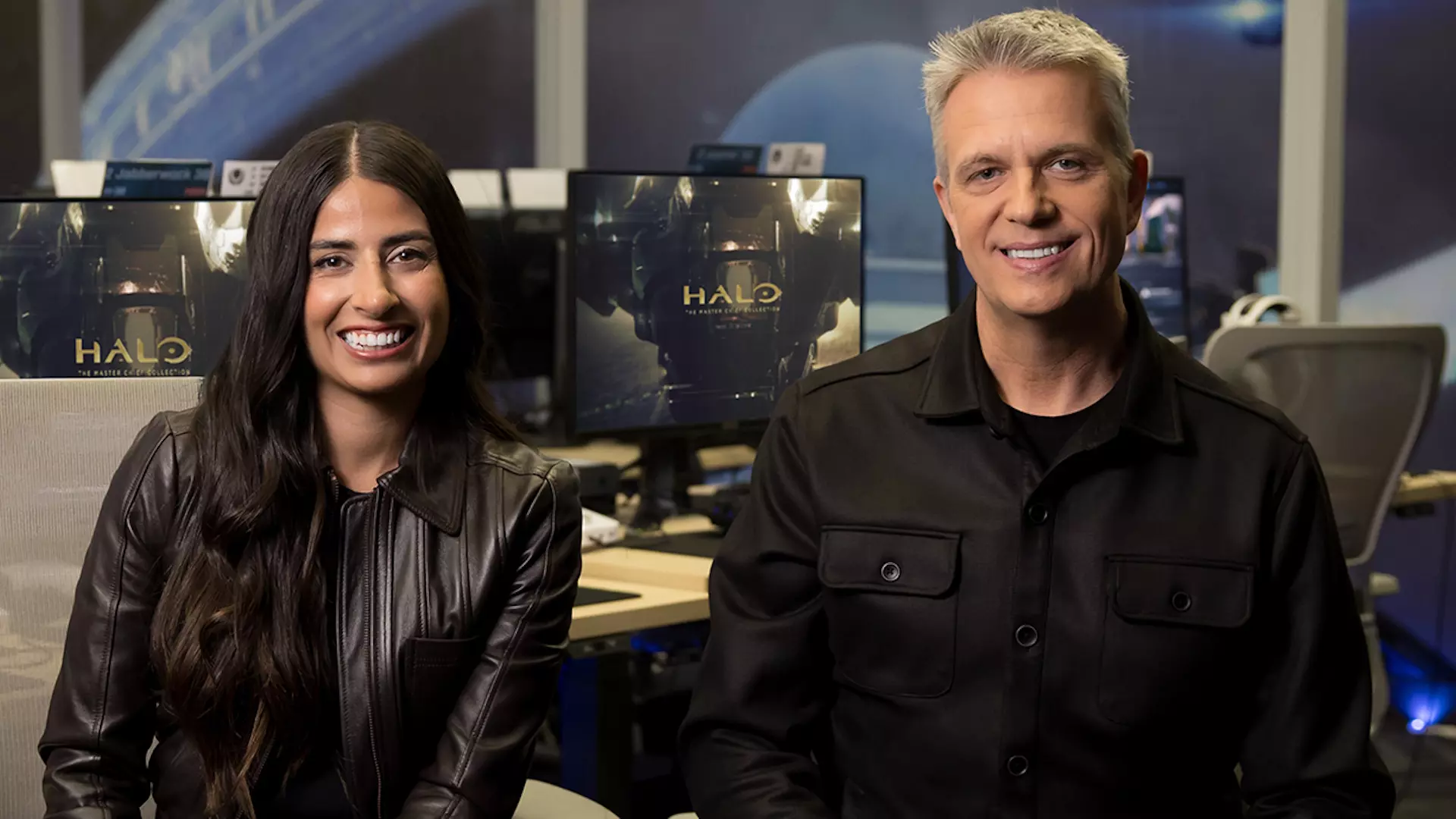
In a significant development that has sent ripples through the gaming world, Microsoft has announced additional layoffs affecting 268 employees, alongside a controversial move to integrate Obsidian Entertainment into Bethesda. Furthermore, the stewardship of the iconic Halo franchise will now fall under Activision. This series of decisions comes after Microsoft's aggressive strategy of acquiring prominent studios, leading many to scrutinize the company's long-term vision for these valuable assets.
Critics, including gaming journalist Joshua Wolens, have voiced strong objections to the rationale behind these changes. Wolens pointedly questioned the efficacy of merging studios with distinct creative identities, highlighting the fundamental differences in approach between Bethesda Softworks and Obsidian Entertainment. Despite both being recognized for their role-playing games and even sharing a connection through the Fallout series, their underlying philosophies and development methodologies are far from uniform.
The integration of Obsidian into Bethesda, according to Wolens, seems to disregard the unique legacies and talented developers within these studios, especially given the substantial financial investment Microsoft made to acquire them. This perspective suggests a disconnect between corporate strategic planning and the realities of game development and creative synergy.
The gaming community and industry observers alike are left pondering the implications of these strategic realignments. Many are interpreting these moves as indicative of a broader struggle within Microsoft to effectively manage its vast portfolio of acquired talent and intellectual property. The unfolding situation prompts a reevaluation of the benefits and challenges associated with large-scale corporate mergers in creative industries.
This ongoing narrative raises important considerations about how large corporations navigate the delicate balance between corporate restructuring and fostering artistic integrity and innovation within their acquired entities. The gaming industry, known for its passionate fan base and intricate creative processes, will undoubtedly continue to watch Microsoft's next steps with keen interest.
About the author
Kim Swift
Video game designer known for pioneering work on "Portal," focusing on innovative puzzle mechanics.