Microsoft Paint's Security Vulnerability Patch: A Confusing Saga
ByMark Rosewater
Microsoft Paint, an application not typically associated with cybersecurity alerts, has found itself at the center of a perplexing security incident. Despite Microsoft's announcement on October 13 regarding a patch for a newly discovered vulnerability, the update process has been anything but straightforward, leaving many users uncertain about their system's security status.
Details of the Microsoft Paint Security Patch Confusion
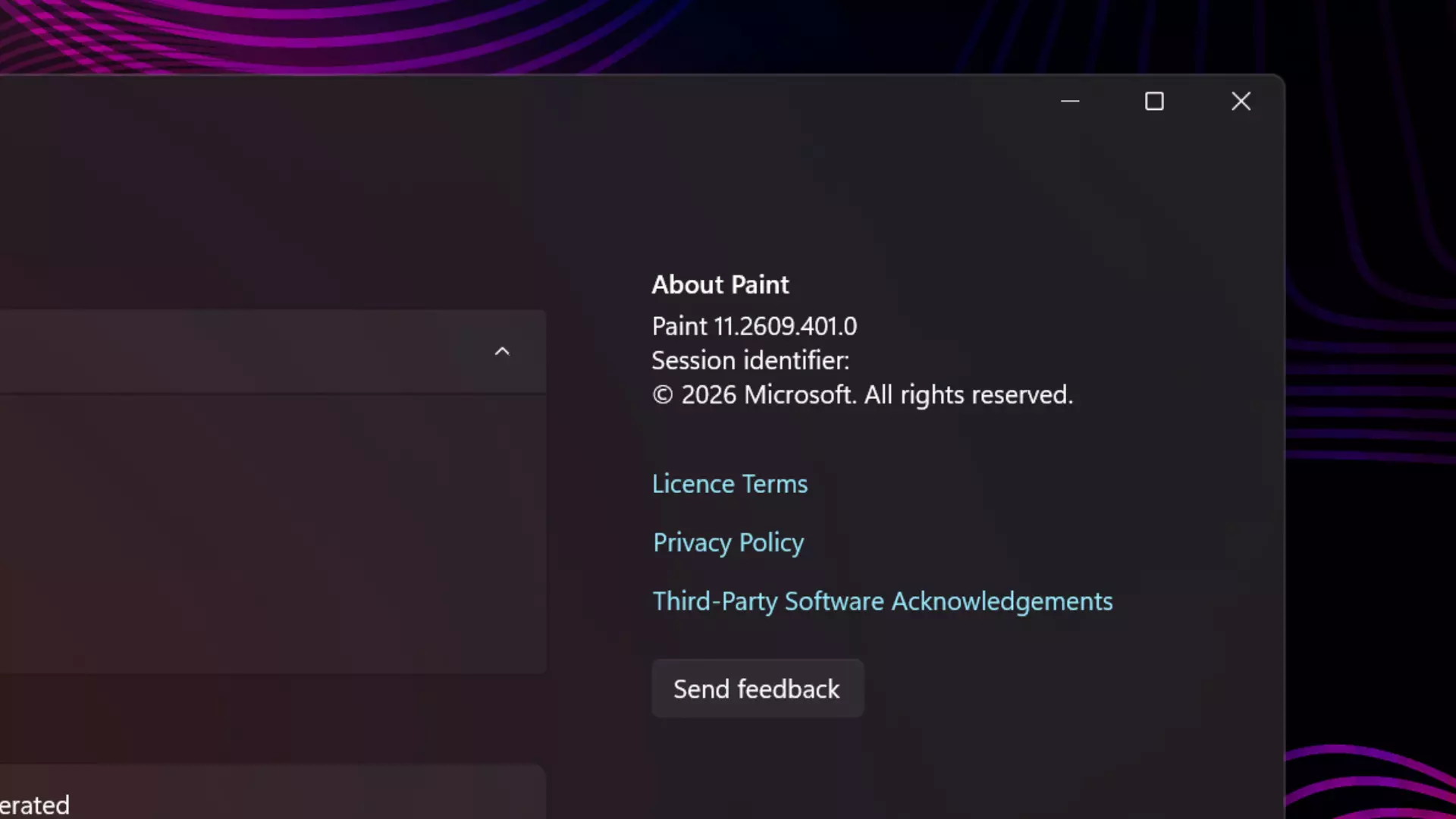
The core of the issue revolves around a security flaw in Microsoft Paint, which Microsoft initially disclosed and attempted to rectify. However, the subsequent distribution of the necessary update, version 11.2609.401.0, has been inconsistent. Many users, particularly those operating work machines, have disabled automatic Microsoft Store updates, a common practice that inadvertently prevented them from receiving the crucial patch for Paint, an application updated exclusively through the store.
Further complicating matters, reports from various sources, including International Cyber Digest, indicated that the Microsoft Store was, at one point, distributing older versions of the application instead of the patched one. Windows Latest also noted that even with automatic updates enabled, some systems did not receive the correct version. This contradictory information, coupled with Microsoft's own reclassification of the vulnerability, has created a significant challenge for users trying to ascertain if their systems are secure.
Initially, the vulnerability was assigned a severity rating of 8.1 on the CVSS scale. However, Microsoft revised this rating downwards to 7.0 on November 9. The company also altered its description of the bug, moving from a network attack vector to a local exploit, meaning it would require a user to open a specially crafted file. This shifting narrative has only added to the widespread confusion among users and cybersecurity experts alike.
To determine if your Paint application is updated, users are advised to open Paint, navigate to the Settings menu, and check the version number under the "About Paint" section. If the version is below 11.2609.401.0, a manual update via the Microsoft Store is recommended. For those in managed IT environments, contacting a system administrator may be necessary. Alternatively, the version can be verified using Windows PowerShell with the command: powershell Get-AppxPackage -Name Microsoft.Paint | Select-Object Name, Version
Reflections on Software Security and User Responsibility
This incident with Microsoft Paint serves as a stark reminder of the complexities inherent in modern software security and the critical role users play in maintaining their digital safety. The convoluted rollout of this patch highlights the potential disconnect between software developers' efforts to secure their products and the end-user's ability to implement those safeguards effectively. It underscores the importance of a robust and transparent update mechanism, as well as the need for clearer communication from vendors regarding security vulnerabilities and their remedies.
For users, this saga emphasizes the importance of staying vigilant and proactive. While automatic updates are designed to simplify security, this situation demonstrates that they are not always foolproof. Regularly checking software versions, understanding where updates originate, and being aware of security advisories are essential practices in an increasingly complex digital landscape. Ultimately, the responsibility for maintaining a secure system is a shared one, requiring both diligent developers and informed users.
About the author
Mark Rosewater
Head designer for "Magic: The Gathering" and author of long-running insights on game design.