Mazda Ceases Skyactiv-X Engine Production for Mazda3, Shifts Focus to Hybrids
BySimona De Silvestro
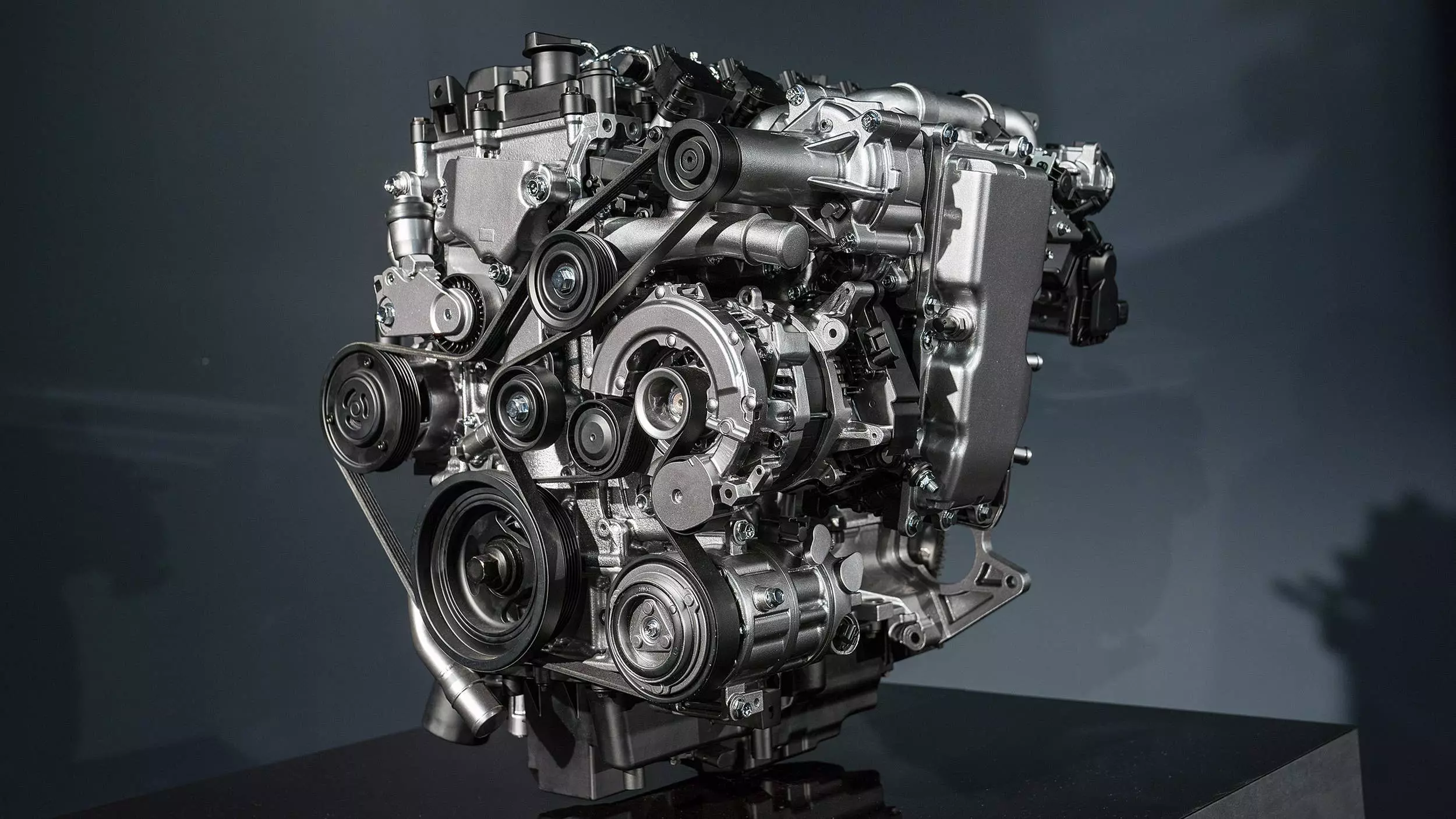
Mazda's groundbreaking Skyactiv-X engine, a marvel of automotive engineering, is being phased out of the Mazda3, marking a significant strategic pivot for the Japanese automaker. This decision reflects a broader industry trend towards electrification and Mazda's renewed focus on hybrid powertrains and a new engine architecture.
Mazda's Revolutionary Engine Departs, Paving the Way for a Hybrid Future
The Sunset of an Engineering Endeavor: Mazda's Skyactiv-X Engine Exits the Mazda3 Lineup
Mazda has decided to discontinue its advanced Skyactiv-X engine from the European Mazda3 range, an engine that once represented a bold experiment in internal combustion technology. This change is slated for the 2027 model year, signaling the end of a unique chapter for the brand's popular compact vehicle. The innovative 2.0-liter Skyactiv-X engine, lauded for its diesel-like compression ignition and gasoline-like emissions, will no longer be an option for European hatchback enthusiasts. Instead, buyers will be limited to the established 2.5-liter e-Skyactiv G engine. To compensate for this mechanical alteration, the 2027 Mazda3 will introduce enhanced interior technology and a premium Homura Plus trim, ensuring that the base price remains stable.
A Road Untraveled: The Skyactiv-X Engine's Absence in the North American Market
For North American car buyers, the retirement of the Skyactiv-X engine holds little direct impact, as this complex powertrain never made its way to the U.S. market. Despite considerable anticipation and discussion among automotive enthusiasts, Mazda’s leadership concluded that American consumers were unlikely to pay a premium for incremental fuel efficiency gains, particularly if it meant compromising on engine power and acceleration—factors highly valued in the American driving experience. This strategic decision highlighted a difference in market priorities between regions.
Sustained Success: Conventional Powertrains Drive Mazda's Growth in America
Even without the innovative Skyactiv-X engine, Mazda's conventional powertrains have achieved remarkable success in the U.S. market. Propelled by strong consumer demand for reliable, engaging, and well-appointed compact vehicles at competitive prices, sales of the standard Mazda3 recently saw a significant increase. This growth occurred even as traditional American automakers faced declining sales in the compact car sector, underscoring Mazda's effective strategy in meeting consumer preferences with its established engine offerings.
Charting a New Course: Mazda's Transition Towards Hybridization
While the Skyactiv-X engine is being phased out of the Mazda3, it will temporarily remain available in the European CX-30 crossover. However, its long-term future globally appears limited. Mazda has openly stated its intention to replace both the existing "X" and "G" internal combustion engine families with an entirely new, highly efficient Skyactiv-Z architecture, with rollout expected by 2027. Concurrently, Mazda is aggressively reorienting its North American powertrain strategy towards hybrid technology. This strategic move, focusing on electrified powertrains within its larger SUV segments, is already yielding substantial sales benefits, demonstrating a clear market preference for straightforward hybridization over complex internal combustion innovations.
About the author
Simona De Silvestro
Professional racing driver who provides expert insight into performance and vehicle dynamics from a driver's perspective.