Embark on an exciting journey through the challenging world of Big Walk as we delve into the secrets of the elusive purple gourds. These rewards are pivotal for advancing in the game, offering a more complex twist on familiar puzzles. This guide is your ultimate companion to navigating these advanced challenges, strategically located in the southern part of the map, promising both difficulty and immense satisfaction upon completion.
Unlock the Secrets: Your Ultimate Guide to Big Walk's Purple Gourd Puzzles!
Discovering All Purple Gourd Challenges in Big Walk
The game features seven distinct purple gourd puzzles, all situated in the southern part of the map. Players can reach these areas either by utilizing the chair lift after activating the green tower or by traversing the southeastern coastline of the island. While these puzzles don't initially appear on your 3D map, they can be tackled at any time. It's often recommended to approach them later in your gameplay, once you've gained a solid understanding of the game's mechanics and general puzzle-solving strategies, as they represent heightened versions of earlier challenges.
Conquering the Purple Gourd Timer Challenge
Similar to its simpler counterpart, the purple gourd timer puzzle demands patience, but on a grander scale. Instead of a quick five-minute wait, you'll face a thirty-minute countdown. This extended period provides an ideal opportunity to take a break from the game, perhaps enjoy a meal, or connect with friends while the timer runs its course, adding a unique, relaxed dimension to this particular challenge.
Mastering the Purple Gourd Golf Challenge
The purple gourd golf puzzle shares its core mechanic with the red gourd version: players must transport a heavy ball to a designated hole. However, the purple variant requires navigating this cumbersome object across a significantly longer and more intricate route. Following a specific path that involves activating the chair lift and unlocking tunnels is crucial. This journey entails moving the ball southward, then eastward up a hill, utilizing the chair lift to cross over a large rock, and finally descending through a purple tunnel to place the ball in its final resting spot.
Solving the Purple Gourd Button Location Mystery
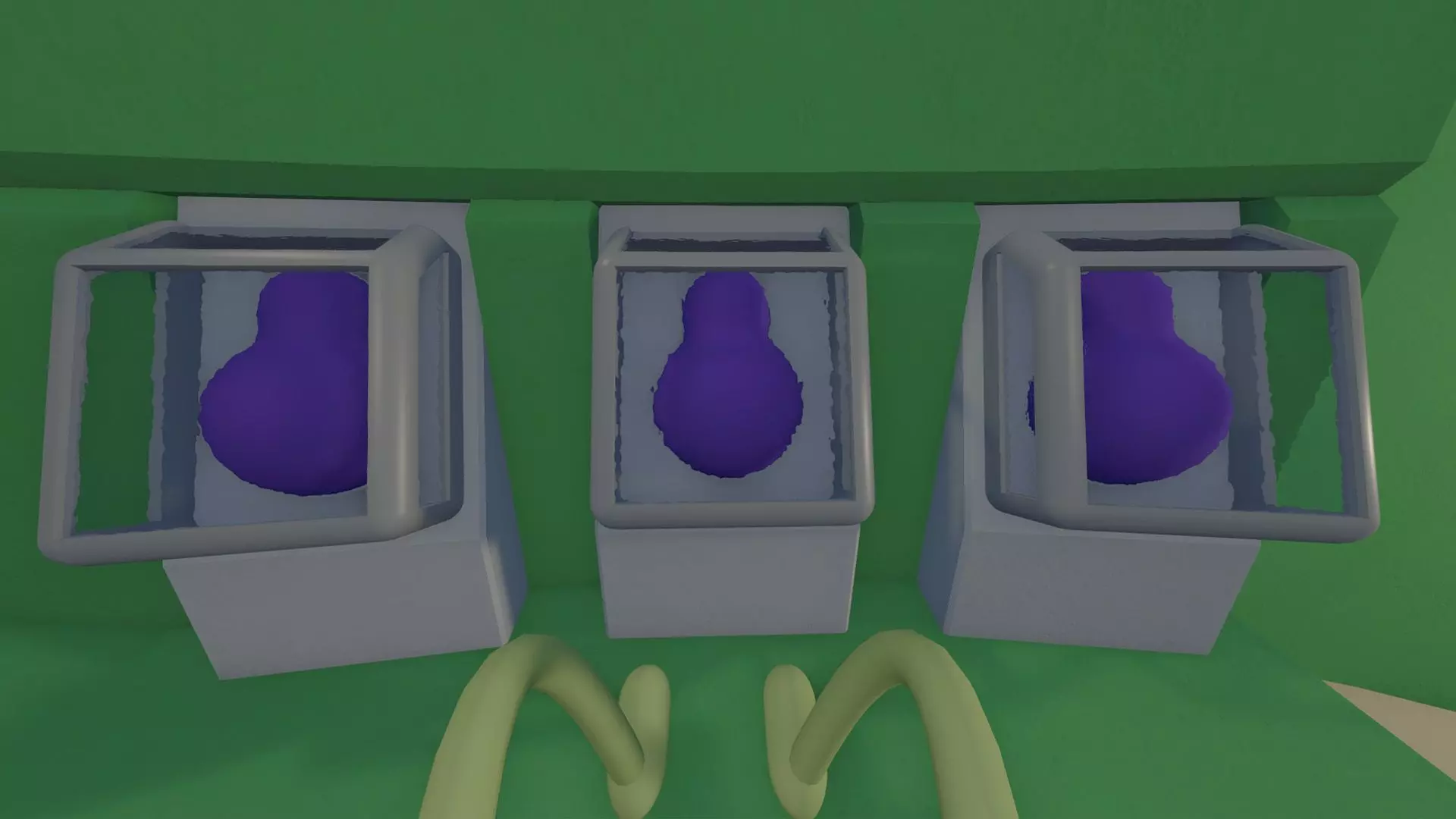
This puzzle traditionally involves two rooms: one with lights, the other with buttons, requiring players to communicate light positions. The purple gourd iteration elevates this by removing direct visual communication. The button-room player now uses an intercom and a light bulb, while the light-room player operates a button to signal through the bulb. This setup necessitates a unique form of indirect communication, such as yes/no questions indicated by single or double light flashes, demanding clear articulation and careful interpretation.
Deciphering the Purple Gourd Speaker Puzzle
In this advanced version of the speaker puzzle, the intercom is absent, forcing players to rely solely on gestures to convey information about the sounds produced by the speakers. Creative non-verbal communication is key here. One effective strategy involves tapping rhythms on a window to represent beats and sliding a hand up or down the glass to signify pitch changes, transforming a sonic challenge into a visually interpreted one.
Navigating the Purple Gourd Posing Puzzle
The purple gourd posing puzzle replaces conventional gestures with symbolic signs. Players must interpret and recreate abstract symbols, such as spirals, snowmen, or lowercase 'e's, using their hands. A straightforward approach to solving this involves drawing the symbols directly onto windows, allowing for a clear and universally understood representation, and ensuring successful communication of these intricate visual cues.
Overcoming the Purple Gourd Obstacle Course
The obstacle course in this challenging version remains identical to its simpler counterpart. However, the critical difference lies in the placement of the tomato timer, which now awaits players at the very beginning of the course. This alteration demands a swift start and immediate engagement with the course, adding an element of urgency and requiring players to be prepared from the outset to tackle the series of challenges efficiently.
Cracking the Purple Gourd Symbol Sign Puzzle
Unlike other sign-based puzzles that typically offer nine options, this complex variant presents 36 distinct symbols, many of which bear striking resemblances. This extensive array of similar symbols significantly heightens the demand for precise communication. Players must hone their descriptive abilities to accurately convey the nuances of each abstract symbol, pushing their collaborative and interpretive skills to the absolute limit to distinguish between subtle visual differences.
About the author
Jane McGonigal
Game designer and author who writes about using games to improve real life and solve problems.