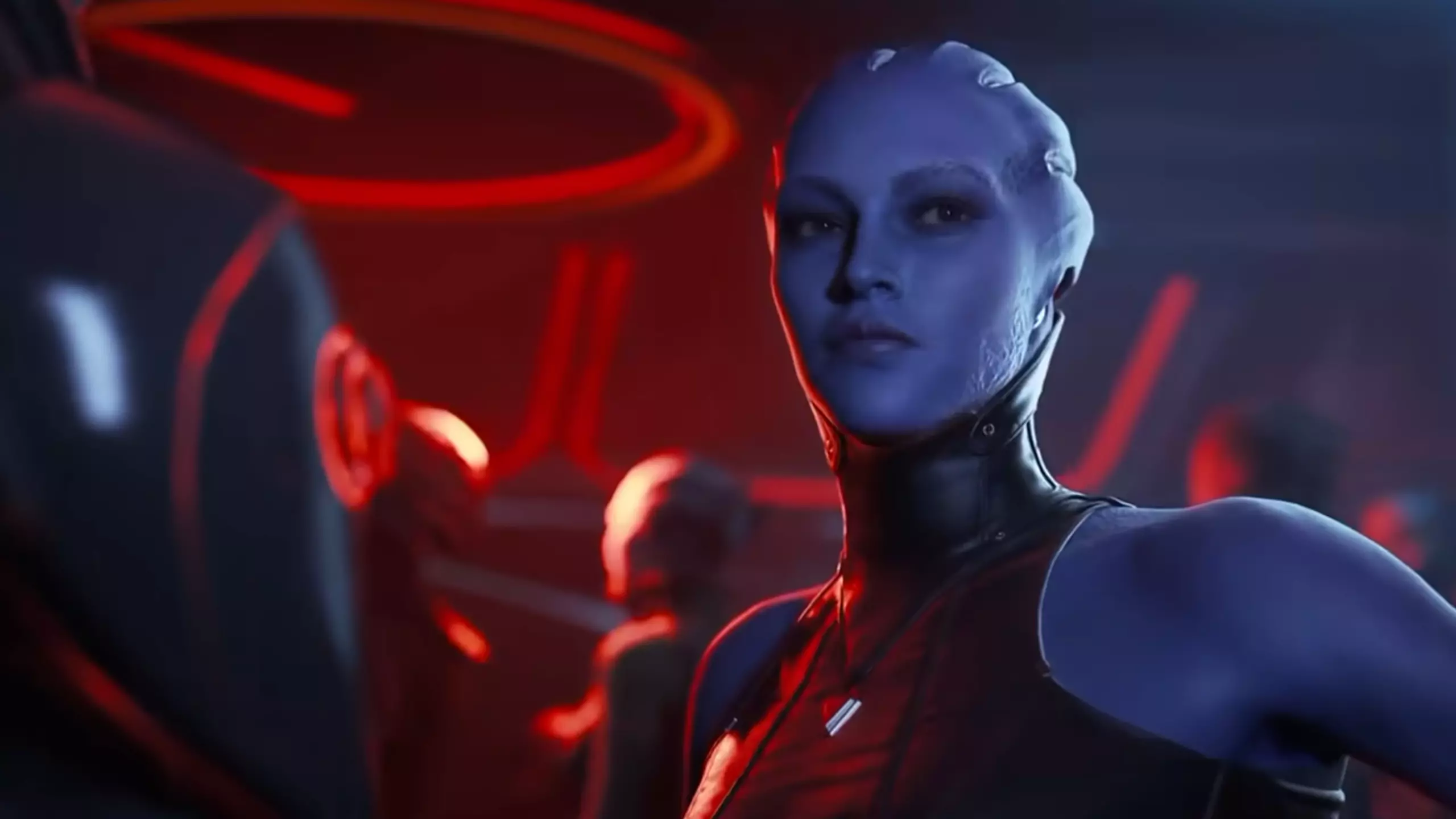
Mass Effect 5 Writer Discusses Handling ME3's Controversial Endings
ByKim Swift
The challenging aftermath of Mass Effect 3's highly debated conclusions presented a significant narrative hurdle for BioWare's subsequent plans, particularly concerning the now-defunct Mass Effect 5. A former writer on the project, Cat Valente, recently shared perspectives on the intricate process of crafting a cohesive storyline that would respectfully acknowledge all player choices from the previous installment. This endeavor aimed to avoid further discontent among the diverse fanbase, a complex task given the multitude of potential outcomes from Commander Shepard’s final mission. Valente described this as an exceptionally difficult undertaking, requiring extensive creative problem-solving to weave together disparate narrative threads into a unified whole suitable for a mainstream video game. Despite the inherent complexities, she implied that the team had successfully conceptualized a resolution that would have pleased her personally as a dedicated fan of the series. The ultimate cancellation of the project by Electronic Arts, however, means this meticulously planned continuation will never see the light of day, leaving enthusiasts to speculate on the potential narrative journey.
The original Mass Effect 3 famously concluded with three distinct choices, leading to widespread player debate and some dissatisfaction regarding their impact on the galaxy. The subsequent challenge for any new game was how to incorporate these varied canonical paths without invalidating player agency or creating an incoherent overarching lore. Valente's remarks underscore the internal recognition at BioWare of this critical issue. Developing a strategy to bridge these divergent outcomes was paramount to the proposed Mass Effect 5, which, according to previous insights, sought to synthesize these multiple finales into a single, comprehensive foundation for its own plot. This ambitious approach reflects the developers' commitment to honoring the player's journey while paving the way for fresh narratives.
The intricate nature of this storytelling problem was a significant factor in the extended development timeline and the studio's decision to initially explore a new galaxy with Mass Effect: Andromeda. Integrating the ramifications of ME3's grand finale—where Shepard potentially reshaped the very fabric of galactic existence—into a subsequent story demanded immense creativity and careful planning. Valente candidly expressed the daunting scale of this challenge, likening it to a "tall order" that required diligent "cleanup." Her comments highlight the profound impact of fan reception on game development and the internal struggle to satisfy both artistic vision and player expectations within the confines of interactive media.
Ultimately, the creative efforts to forge a universally acceptable path forward for the Mass Effect saga, following its polarizing third chapter, have been consigned to history. The insights from a key narrative contributor shed light on the intense conceptual work undertaken to reconcile previous player decisions into a future storyline. While a promising resolution was reportedly found, the corporate decision to terminate the project means fans will forever ponder the unwritten chapters of this beloved science fiction universe, a poignant reminder of the fragility of ambitious game development.
About the author
Kim Swift
Video game designer known for pioneering work on "Portal," focusing on innovative puzzle mechanics.