Kornél Mundruczó Discusses Directing Ellen Burstyn, Taika Waititi, and a Pigeon in 'Place to Be'
ByShonda Rhimes
Hungarian director Kornél Mundruczó, known for his impactful dramas, embarks on a new cinematic journey with "Place to Be." This film, which premiered at the Venice Film Festival, brings together a stellar cast including Ellen Burstyn and Taika Waititi in a heartwarming and unconventional narrative.
A Unique Collaboration: Love, Pigeons, and New Beginnings
The Vision Behind "Place to Be": A Lighter Role for a Legend
After their collaboration on "Pieces of a Woman," director Kornél Mundruczó was captivated by Ellen Burstyn's talent. He expressed a strong desire to work with her again, aiming to present her in a different light. Mundruczó noted Burstyn's extensive career, often featuring dark and serious roles, and wished to offer her a more cheerful and uplifting story. This aspiration led to the creation of "Place to Be," a film intended to showcase a different facet of the acclaimed actress's range.
Unveiling the Plot: An Urban Road Trip with a Feathered Friend
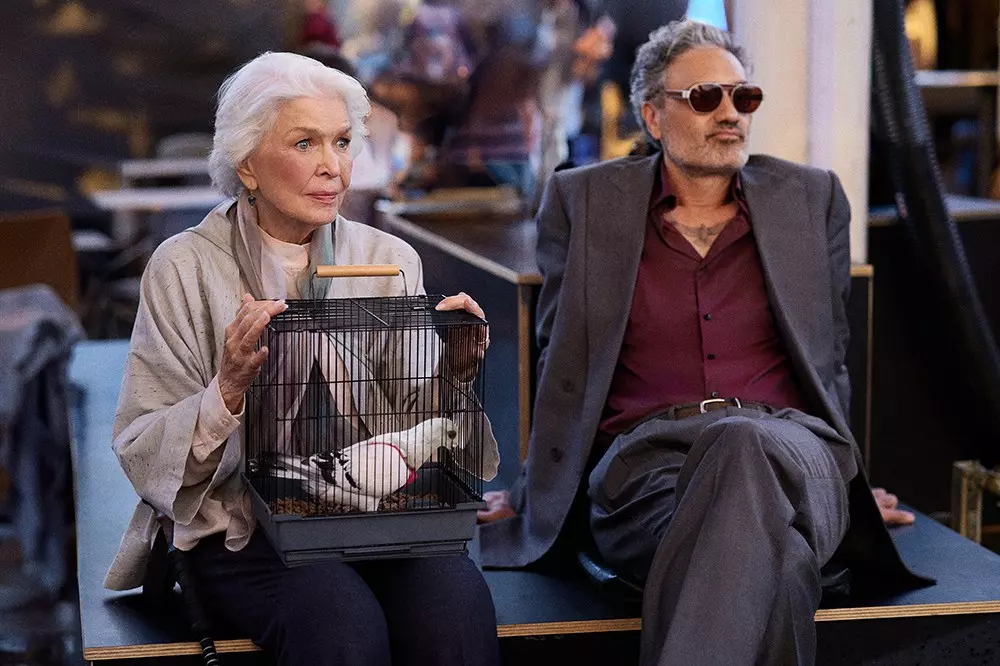
"Place to Be" is described by Mundruczó as an "urban road movie" that centers on Brooke, a widow facing the prospect of a retirement home. Her life takes an unexpected turn when a pigeon flies into her window and, against all odds, decides to stay. This peculiar event prompts Brooke to embark on a cross-country journey to return the bird to its rightful owner. Along her travels, she encounters Nelson, portrayed by Taika Waititi, a divorcee. Their paths intertwine, forming an unlikely friendship that blossoms amidst their shared experiences with the pigeon. The film beautifully illustrates that it's never too late to embrace new chapters in life.
The Pigeon's Metaphor: A Symbol of Enduring Quality
The inspiration for the film's central avian character came to Mundruczó during a pigeon race. He was deeply moved by the forgotten beauty and historical significance of pigeons, once revered as messenger birds. He saw a powerful metaphor in these creatures for aging stars who, despite a diminished spotlight, retain their inherent quality and importance. This symbolic connection between the pigeons and the characters, particularly Burstyn's, adds a profound layer to the narrative.
Casting Chemistry: The Perfect Pairing of Burstyn and Waititi
Once Ellen Burstyn was committed to the project, the next critical step was finding a co-star who could match her formidable presence. Mundruczó sought a strong personality, someone authentic and multifaceted, rather than solely a trained actor. Taika Waititi immediately came to mind. Mundruczó observed in Waititi a quality reminiscent of Robin Williams – a "sad clown" persona that blends humor with a hidden depth. The director recounted the immediate and strong connection between Burstyn and Waititi upon their meeting, highlighting their fantastic on-screen chemistry.
Crafting the Ensemble: Resemblance and Realistic Portrayals
In the supporting roles, Murray Bartlett and Pamela Anderson play Burstyn's children, chosen in part for their striking resemblance to the veteran actress. Mundruczó emphasized the importance of this visual authenticity, ensuring that audiences would genuinely believe in their familial connection. This meticulous casting choice further grounds the film in realism and enhances the audience's immersion in the story.
The Unsung Hero: Directing the Doves
Perhaps the most unconventional aspect of "Place to Be" was the direction of its feathered co-star. Mundruczó was adamant about using real pigeons, minimizing CGI to maintain authenticity. A total of seventeen pigeons were employed to portray Intruder, the bird that captures Brooke's heart. Mundruczó fondly recalled Burstyn's affection for several of the birds, underscoring the deep connection that formed between the cast and their animal counterparts. The film's production, which spanned locations in Sydney, Australia, and New York, involved approximately 1,000 pigeons and a team of professional handlers, with Mundruczó proudly stating that not a single bird was lost during filming.
A Message of Hope: The Transformative Power of Connection
Mundruczó's ultimate hope for "Place to Be" is that audiences leave with a sense of optimism and perhaps a newfound appreciation for pigeons. He articulated that the story is fundamentally about mutual aid and unexpected salvation: Brooke initially seeks to help the bird, but ultimately, the bird helps her and Nelson. This reciprocal relationship forms the emotional core of the film, illustrating how even the smallest, most unexpected connections can bring profound positive change to one's life.
About the author
Shonda Rhimes
Prolific television creator ("Grey's Anatomy," "Scandal") and author on creativity and empowerment.