Innovative Windows Utility Simplifies Wireless Device Battery Monitoring
ByMark Rosewater
A recent innovation in Windows utility software promises to significantly enhance how users monitor the battery status of their wireless peripherals. This new tray application, known as "Halo Battery," has been developed by a Reddit user with assistance from an AI, offering a consolidated and efficient method for tracking power levels across various 2.4 GHz and Bluetooth devices. Its emergence highlights a recurring desire within the PC community for essential functionalities that are often overlooked in standard operating system features, prompting discussions about software design and user experience.
This tool stands out for its elegant solution to a common inconvenience: the scattered nature of wireless device battery indicators. Instead of requiring users to navigate through various proprietary applications, Halo Battery presents a unified overview directly on the taskbar. This not only streamlines the user experience but also tackles the issue of system resource consumption by eliminating the need for bulky, vendor-specific software. The positive reception from the PC community underscores the value of such practical, user-driven developments.
Streamlined Battery Management for Wireless Peripherals
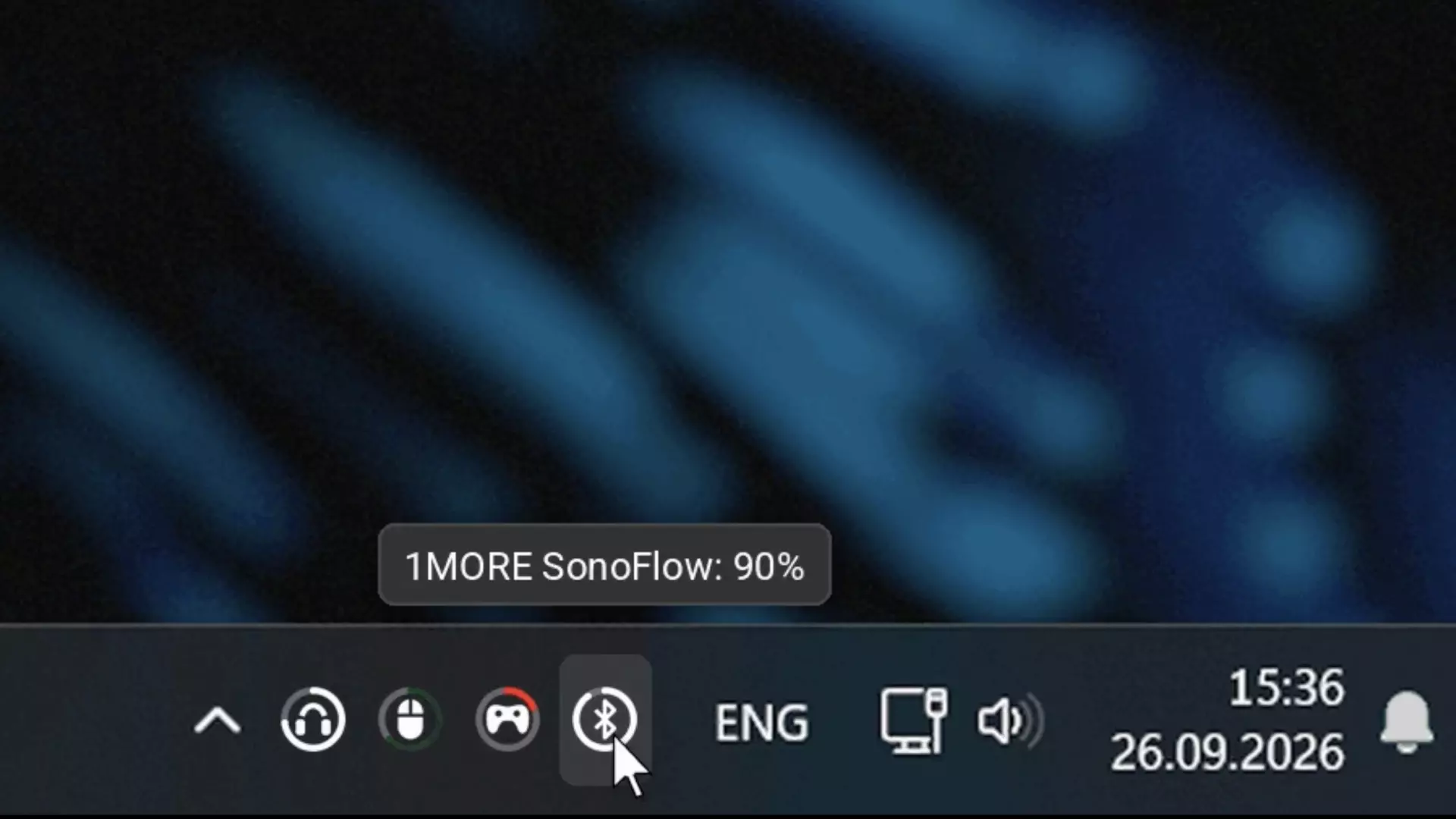
The "Halo Battery" utility provides a much-needed, centralized approach to monitoring wireless device power levels. Traditionally, users often contend with a fragmented experience, where each wireless peripheral, whether connected via 2.4 GHz or Bluetooth, necessitates its own specific application or system menu to display battery status. This can lead to an inefficient workflow and a cluttered system tray. This innovative tool, developed by a Reddit user named headvox, addresses these pain points by consolidating all relevant battery information into a single, intuitive interface on the Windows taskbar. Each connected device is represented by a distinct icon featuring a ring that visually indicates the battery level, changing colors from amber to red as power diminishes and gently pulsing green when charging. A simple hover-over action reveals the precise percentage, offering immediate and clear feedback to the user.
This user-centric design not only offers practical benefits but also tackles the pervasive problem of software bloat. Many peripheral manufacturers require the installation of their own extensive software suites, such as Razer's Synapse, which can consume significant system resources and run numerous background processes. Halo Battery bypasses this requirement, allowing users to track their device batteries without the overhead of these large applications. Tested with a variety of popular devices, including gaming headsets, mice, and headphones, the utility has demonstrated broad compatibility and effectiveness. The project's open-source nature, with its presence on GitHub, further encourages community contributions and a growing list of supported hardware, making it a robust and adaptable solution for modern PC setups.
Community-Driven Innovation and AI's Role in Development
The development of Halo Battery is a testament to the power of community-driven innovation, filling a functional gap that many users feel Microsoft should address natively within Windows. This utility emerged from a common frustration with the lack of a cohesive battery monitoring system for wireless devices, prompting a dedicated Reddit user to create a solution. The widespread positive feedback from the PC community highlights the demand for simple yet effective quality-of-life improvements that enhance the everyday computing experience, often achieved outside official development channels.
A notable aspect of Halo Battery's creation is the significant role played by artificial intelligence. Its developer explicitly stated that Anthropic's Claude AI model was instrumental in generating a substantial portion of the code. While the conceptualization, testing, and design direction were human-led, the AI facilitated the actual coding process, showcasing a practical application of AI in software development for problem-solving. This collaboration between human ingenuity and artificial intelligence demonstrates how advanced tools can accelerate the creation of valuable utilities. The success of Halo Battery serves as a compelling example of how accessible technology and collective user needs can drive the creation of effective, lightweight solutions that challenge the status quo of proprietary software and streamline user interactions with their hardware.
About the author
Mark Rosewater
Head designer for "Magic: The Gathering" and author of long-running insights on game design.